Mixed Media
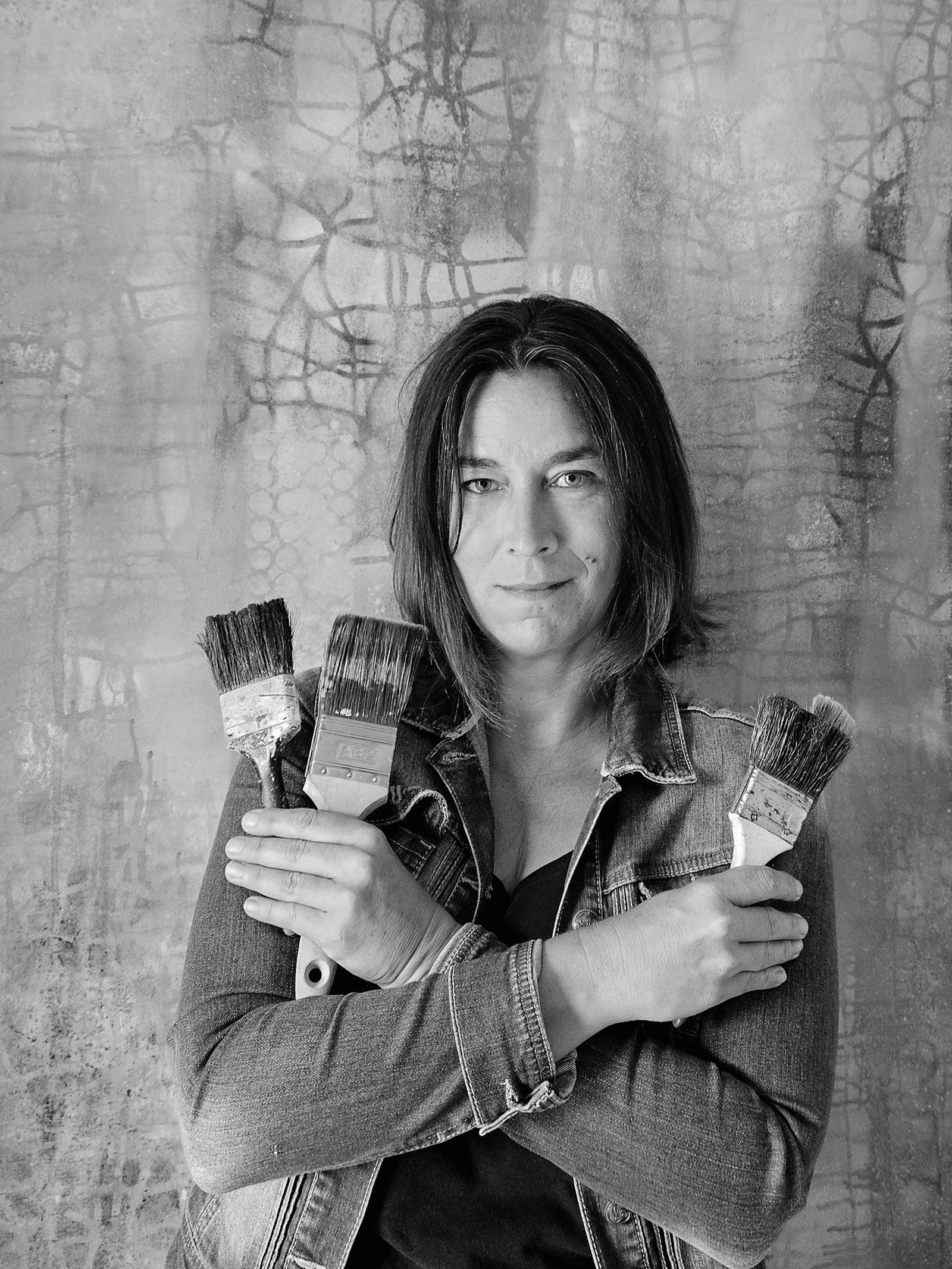
Penny Brooshooft
Subjects | Modern, Figurative, Portraiture
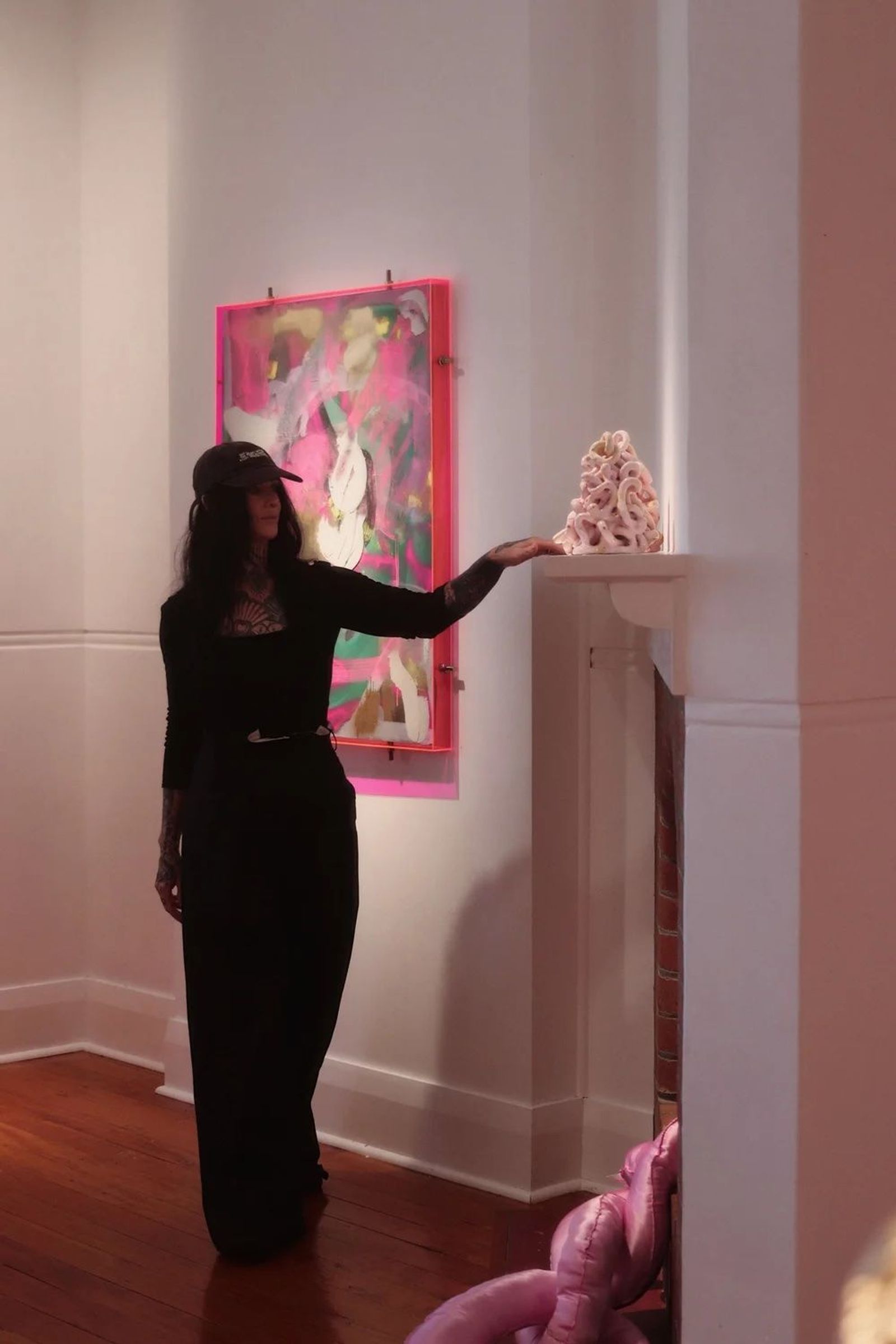
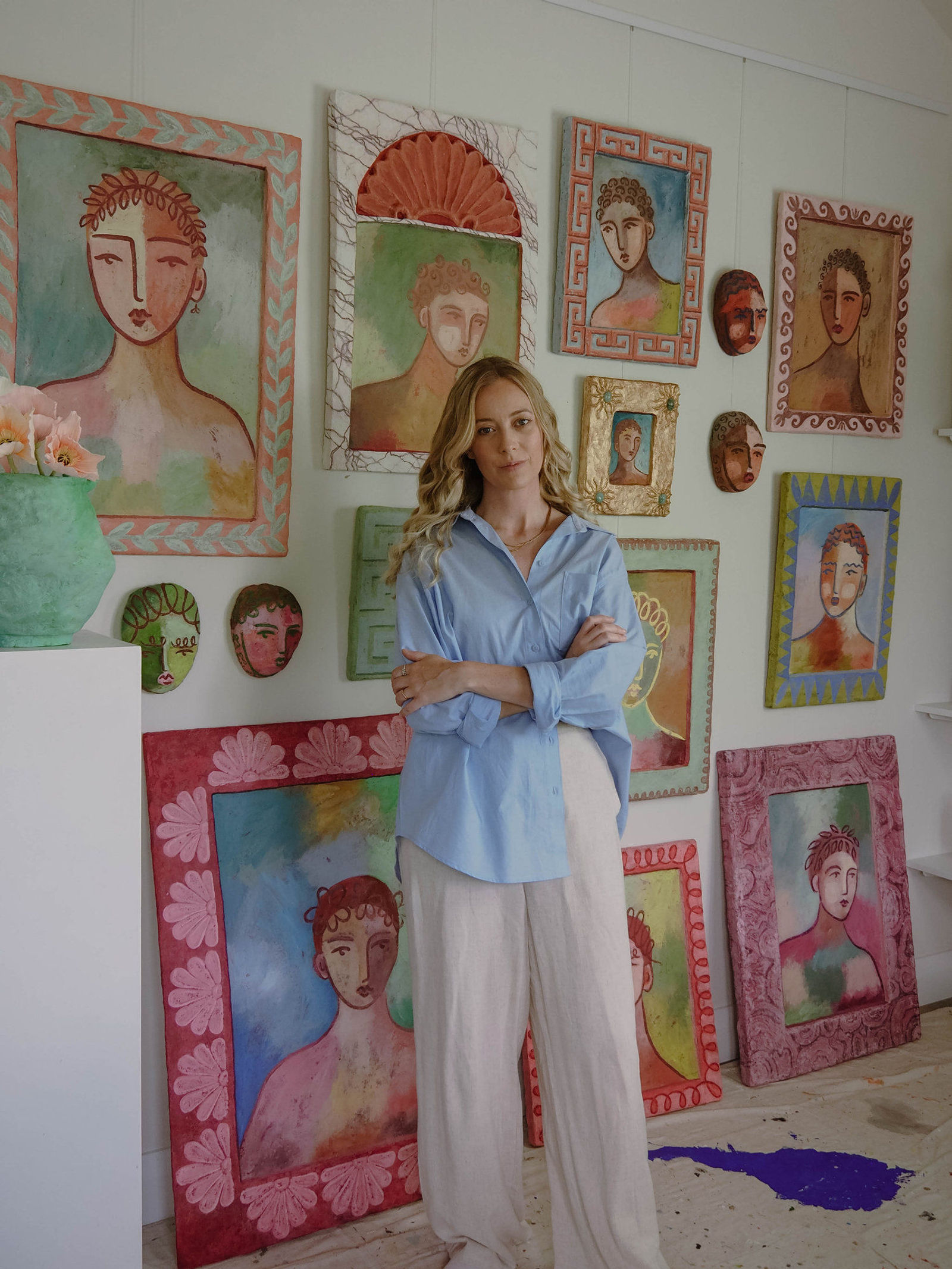
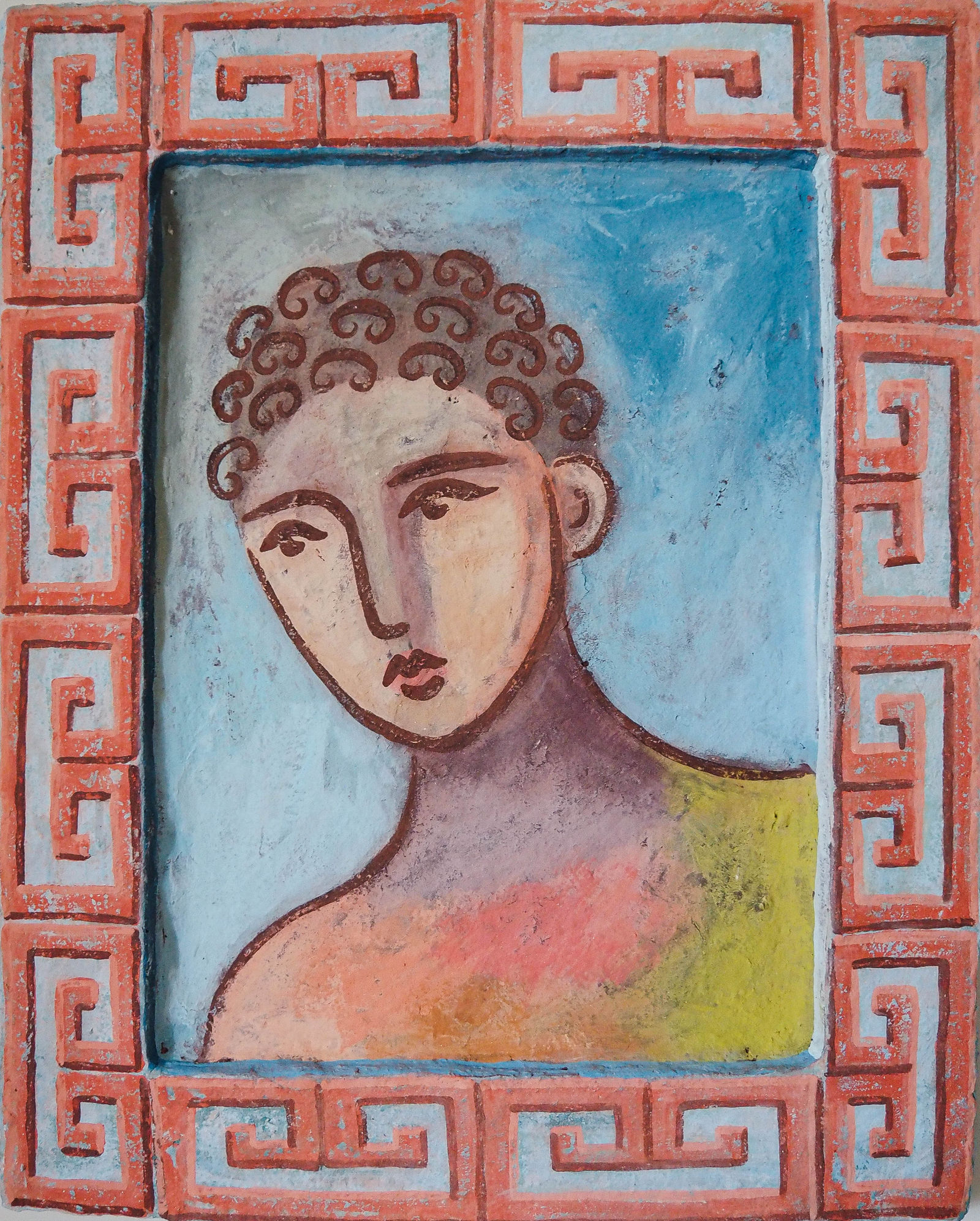
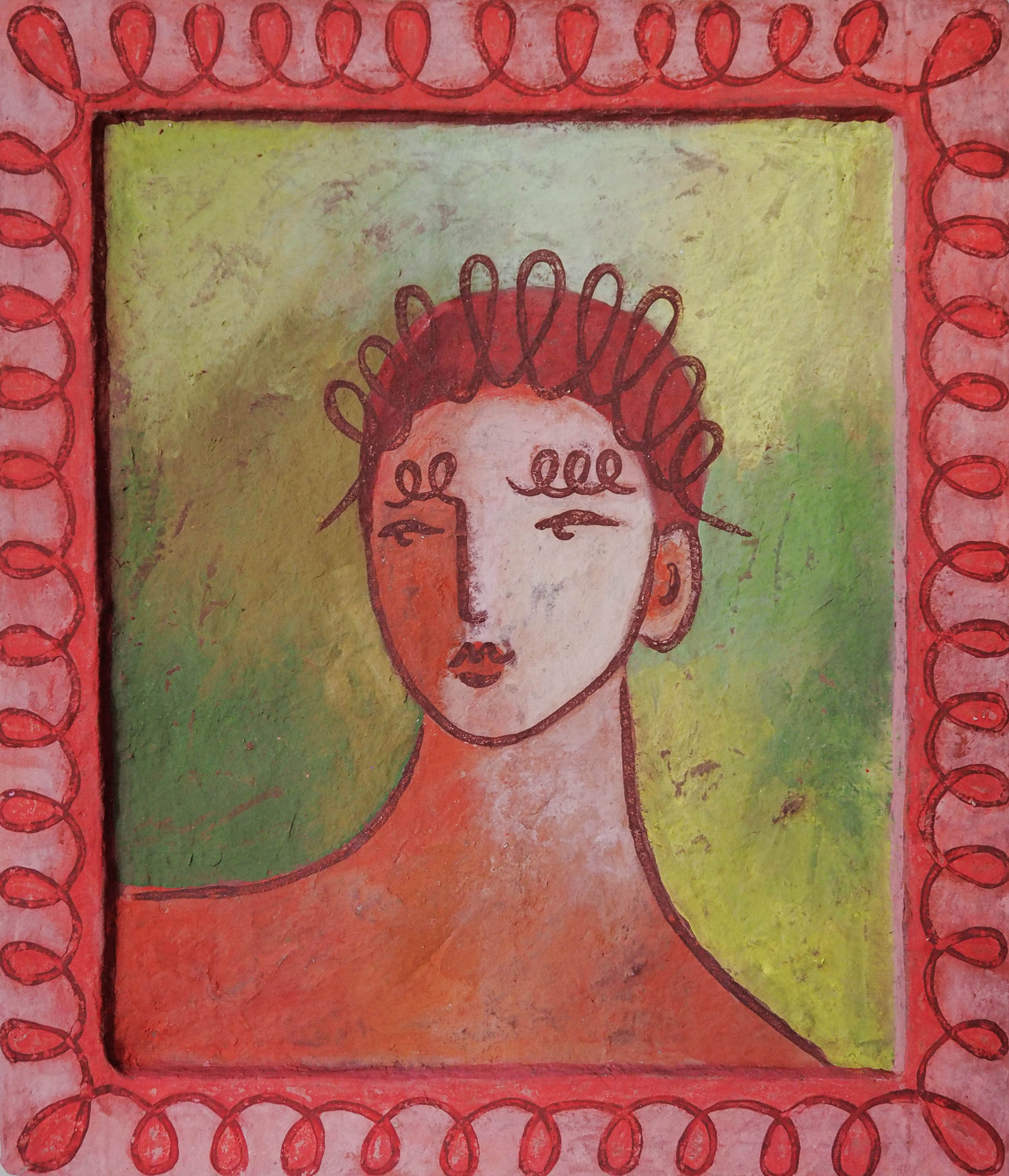
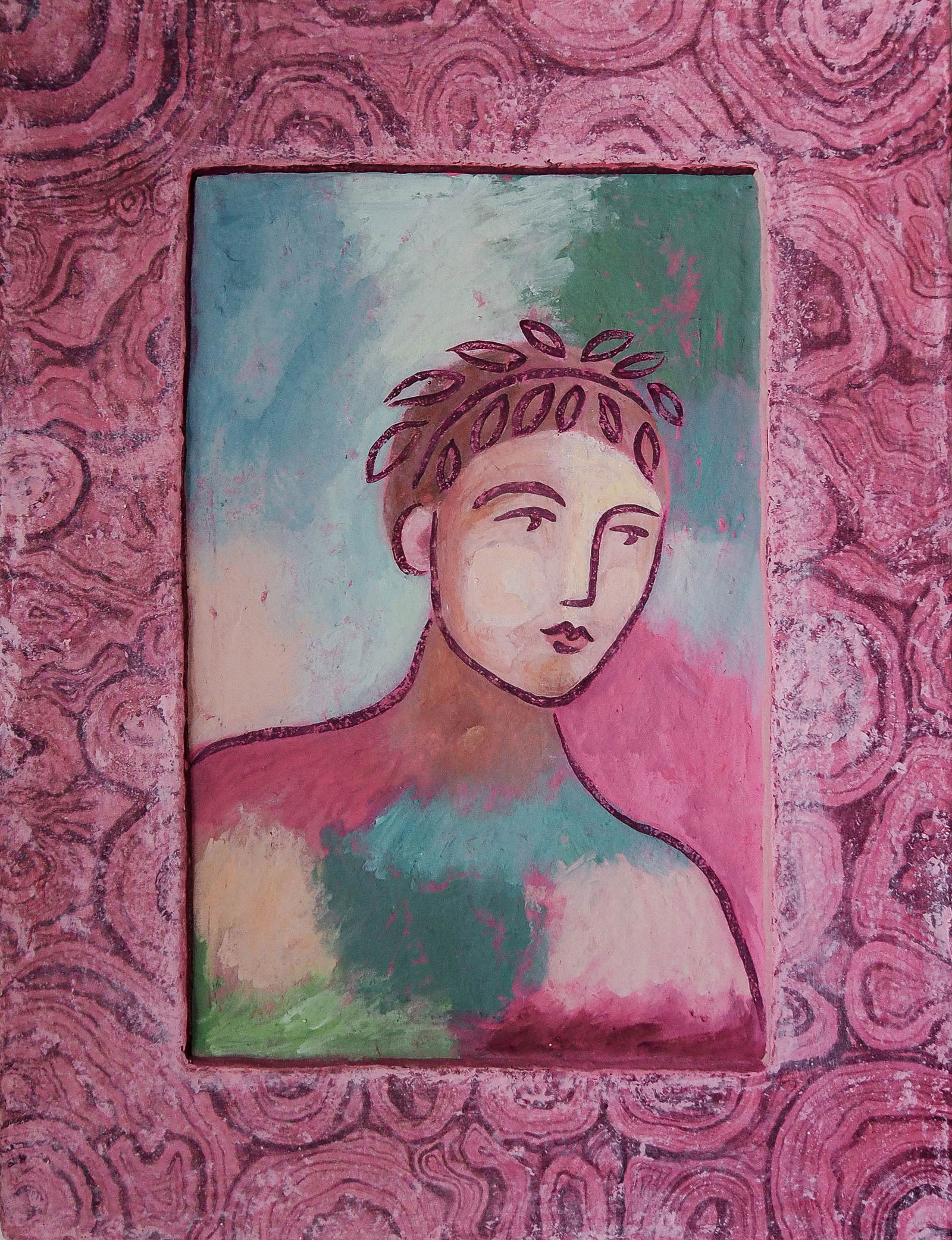
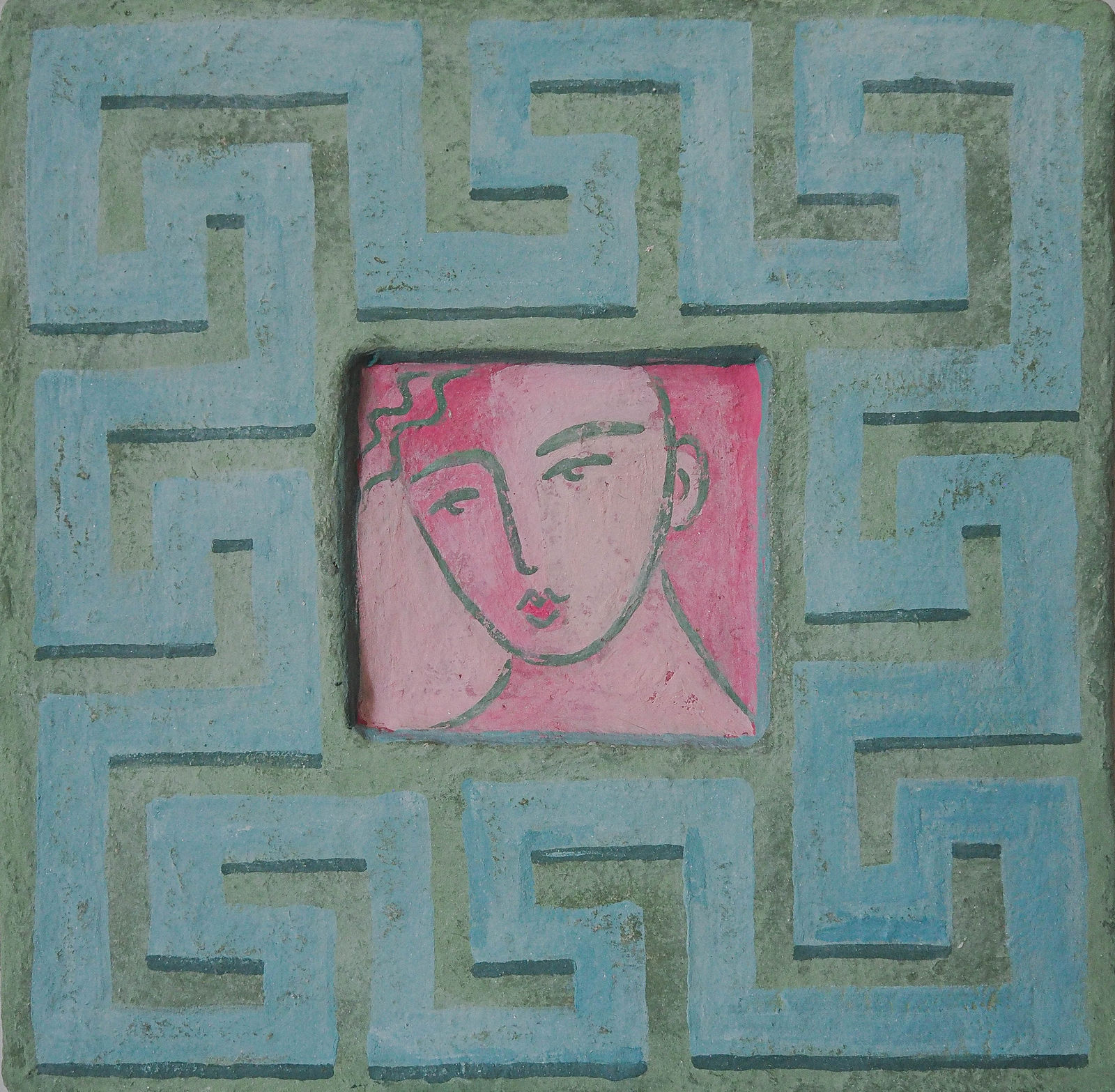
Penny Brooshooft is a Perth-based artist who transforms recycled paper and cardboard into sculptural works that explore time, material transformation, and the shifting meanings objects carry as they age.
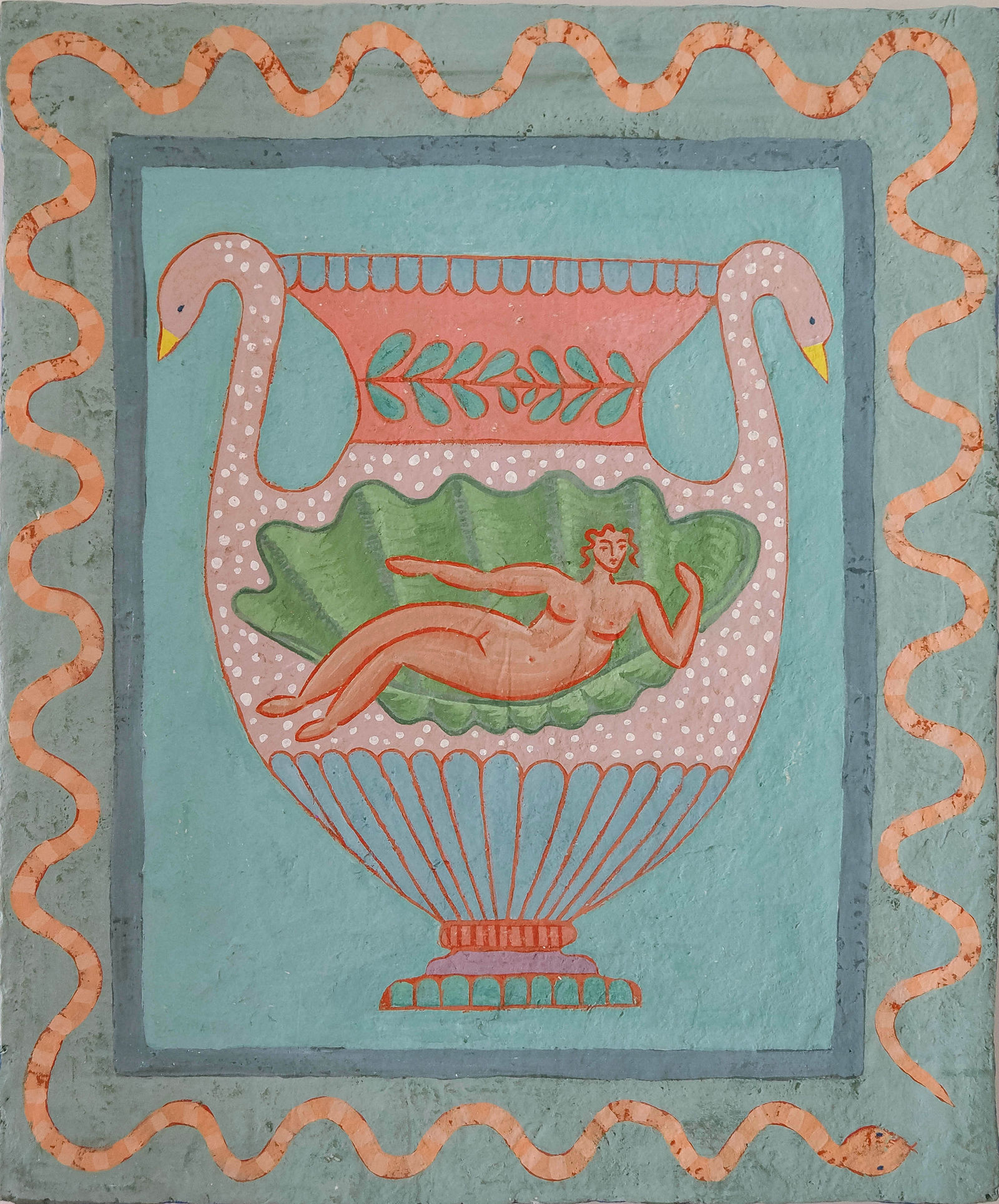
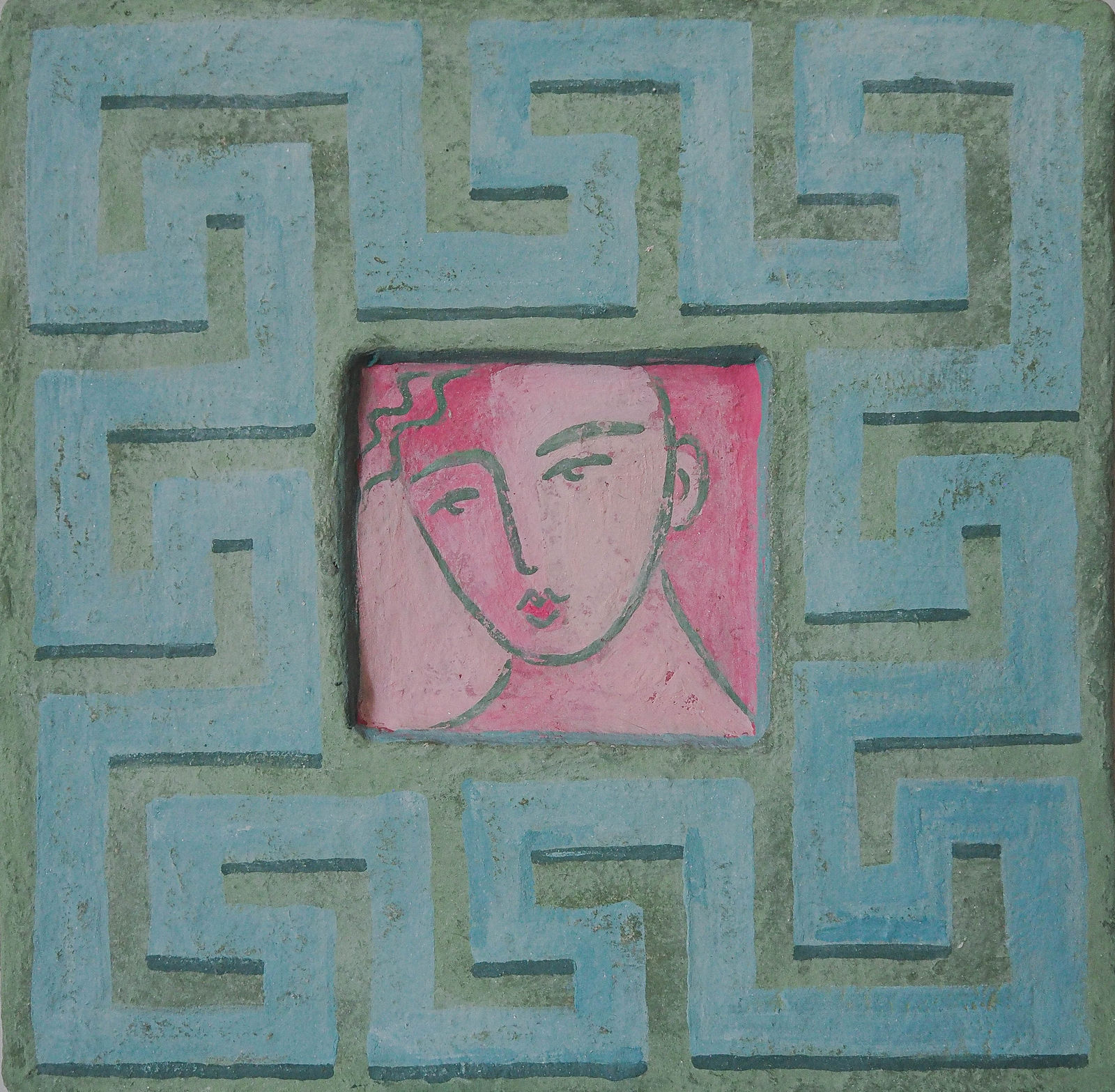
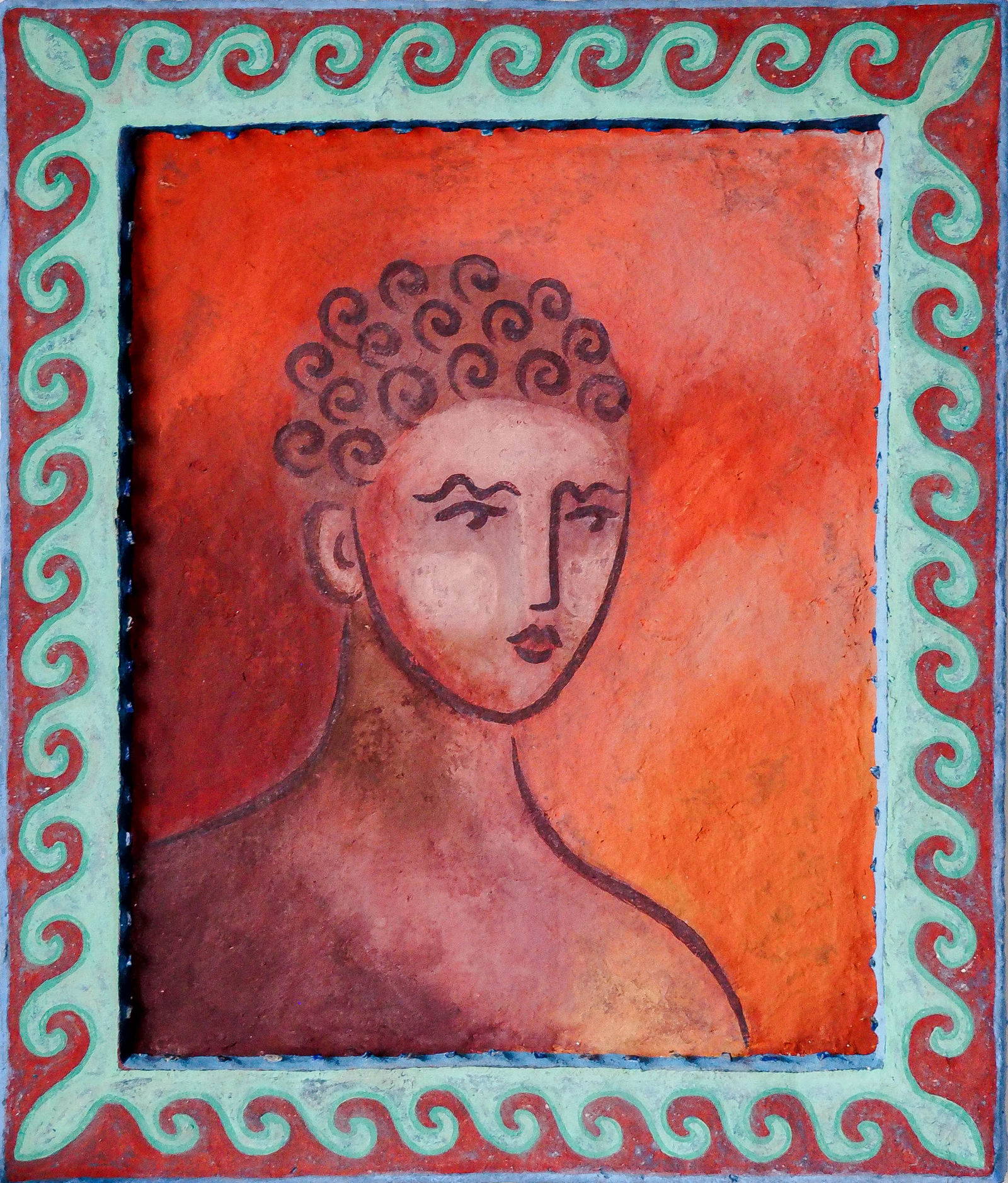
Drawing on a background in zoology and a deep connection to the environment, her practice reimagines discarded materials as tactile forms that celebrate both sustainability and the enduring beauty of patina and wear. Working with waste paper and cardboard, Brooshooft has developed a signature material she calls “Cardcrete” — a clay-like medium that allows her to shape vessels, objects, and richly textured wall sculptures. Through a hands-on process of building and layering, she creates vibrant works that reference ornament, architecture, and historical materiality while remaining grounded in contemporary reuse. Her practice centres on the belief that materials accumulate meaning over time: surfaces soften, colours deepen, and traces of handling become part of the work itself. By transforming overlooked waste into enduring forms, Brooshooft invites viewers to reconsider both the value of discarded materials and the evolving stories objects carry as they move through time.


What medium do you work with, and why have you chosen them?
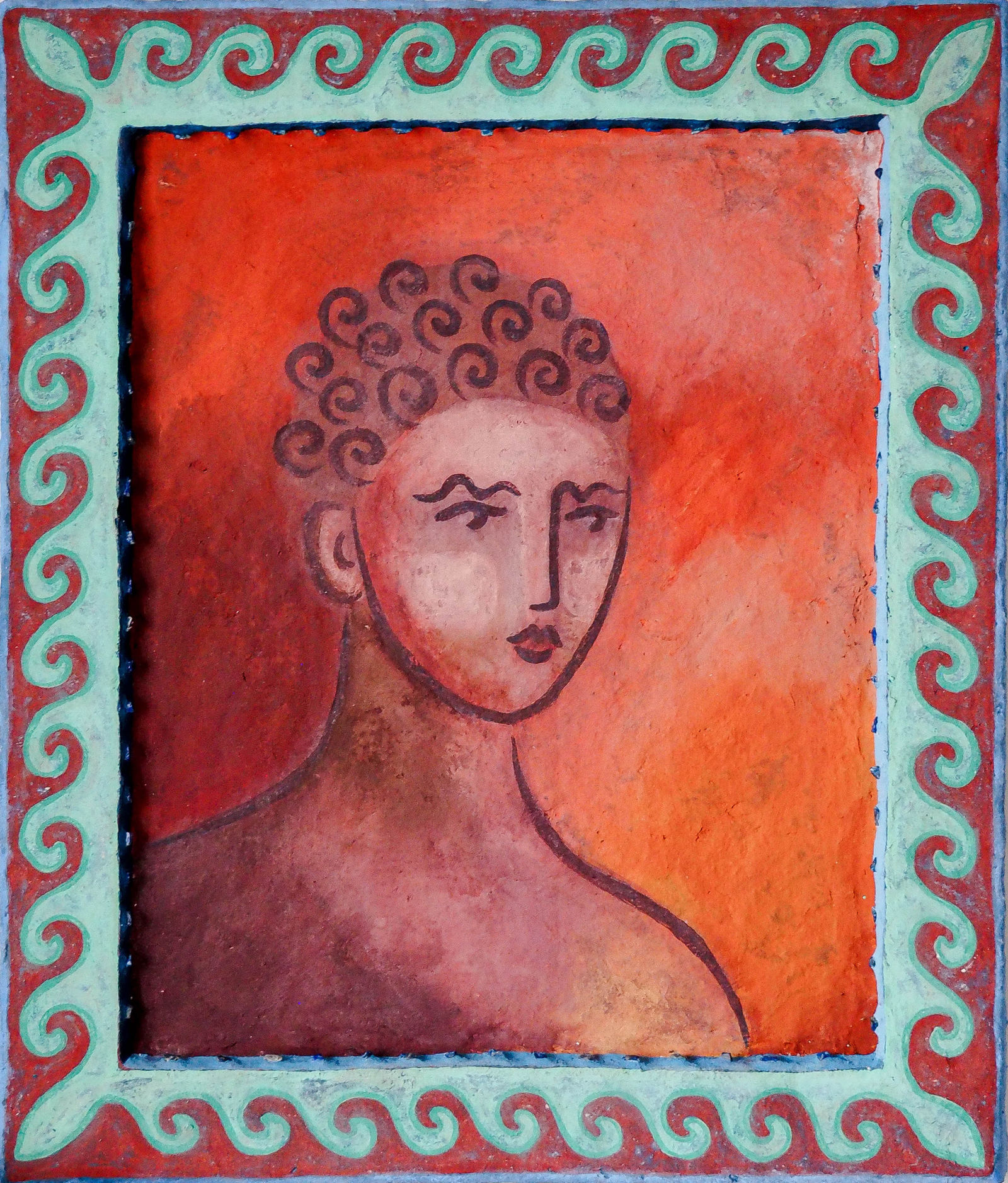
I work primarily with a medium I call "Cardcrete" which I develop from scratch using recycled paper and cardboard waste. I love working with Cardcrete as it is incredibly versatile – I can create very smooth finishes or highly textured ones, and I can build endless form by hand sculpting and joining. But I really love working with this medium because it is rooted in the notion of waste transformation. My background in environmental science ignited a deep connection with the environment. I hate waste generation, and I know my place in the world as a contributor of waste, which has led me to find ways to live as sustainably as I can within my means. Art, as an industry, is no stranger to waste contribution, so to align my core value of sustainable living with my passion for art, it is really important for me to be working with a medium that is environmentally conscious

How does your artwork get from initial concept to exhibition stage?
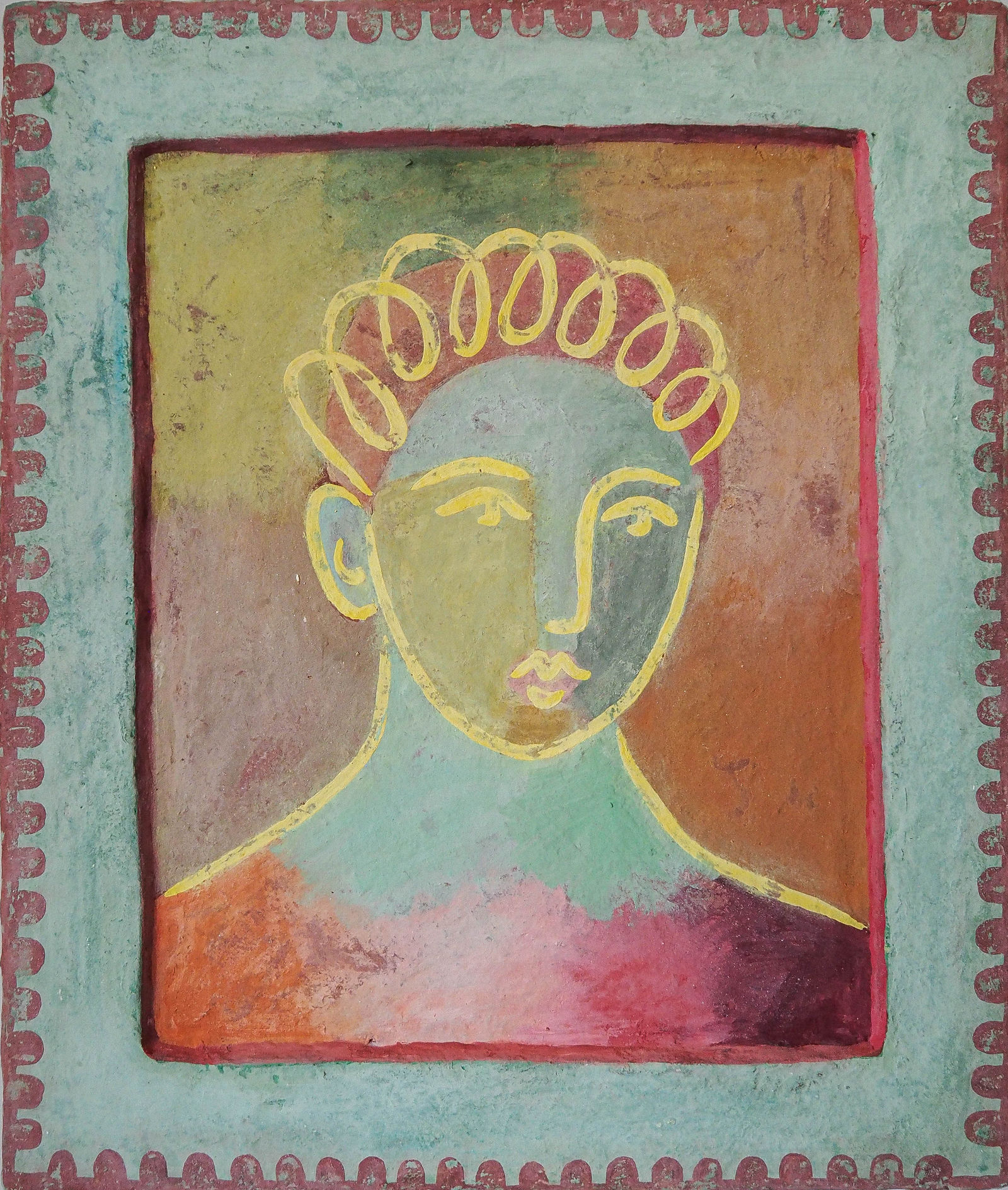
An artwork begins with the materials themselves. I collect discarded cardboard and paper, often letting the shapes and sizes of what I find guide the scale of the work. From there, I build an armature that supports the composition, then create figurative sketches that help me loosely map the direction of the piece. I instinctively choose a colour palette before beginning the surface work, allowing colour to guide the mood and energy of the piece. The final form emerges through an intuitive process of layering and removing material, gradually building texture, depth, and pattern until the work feels resolved.

Can you tell us a little more about your creative working environment/studio?
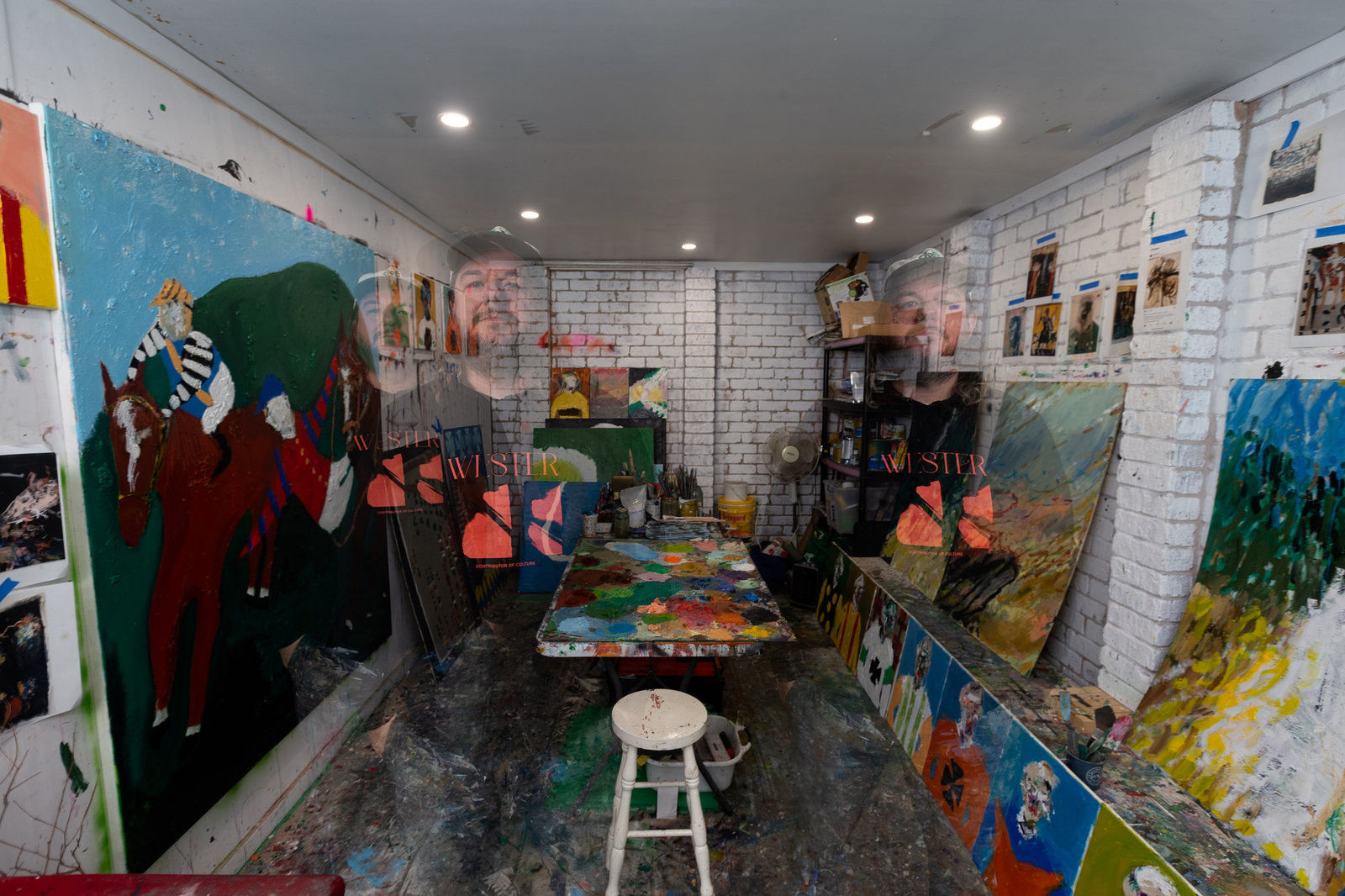
My studio is a spare room in my home that I’ve gradually converted into a dedicated making space—although in reality the practice tends to spill into the rest of the house. Because my process involves working with paper pulp and recycled materials, different areas have taken on their own roles: the laundry functions as a wet workstation, while the outdoor table often become drying areas for pieces in progress. It’s a fluid, practical setup that reflects the hands-on and experimental nature of my practice.

Tell us a bit about your story and how you came to be an artist
I came to art after spending thirteen years working professionally as a zoologist. Although science shaped how I understand the world, I increasingly felt a pull toward making and creative expression. In 2020, I made the decision to step away from my career in zoology to follow that instinct and begin practicing as an artist.
How would you describe your creative process?
My creative process is intuitive and material-led, evolving through collecting discarded cardboard, building structural armatures, sketching figurative forms, and gradually developing the work through layers of colour, texture, and removal.
What inspires you?
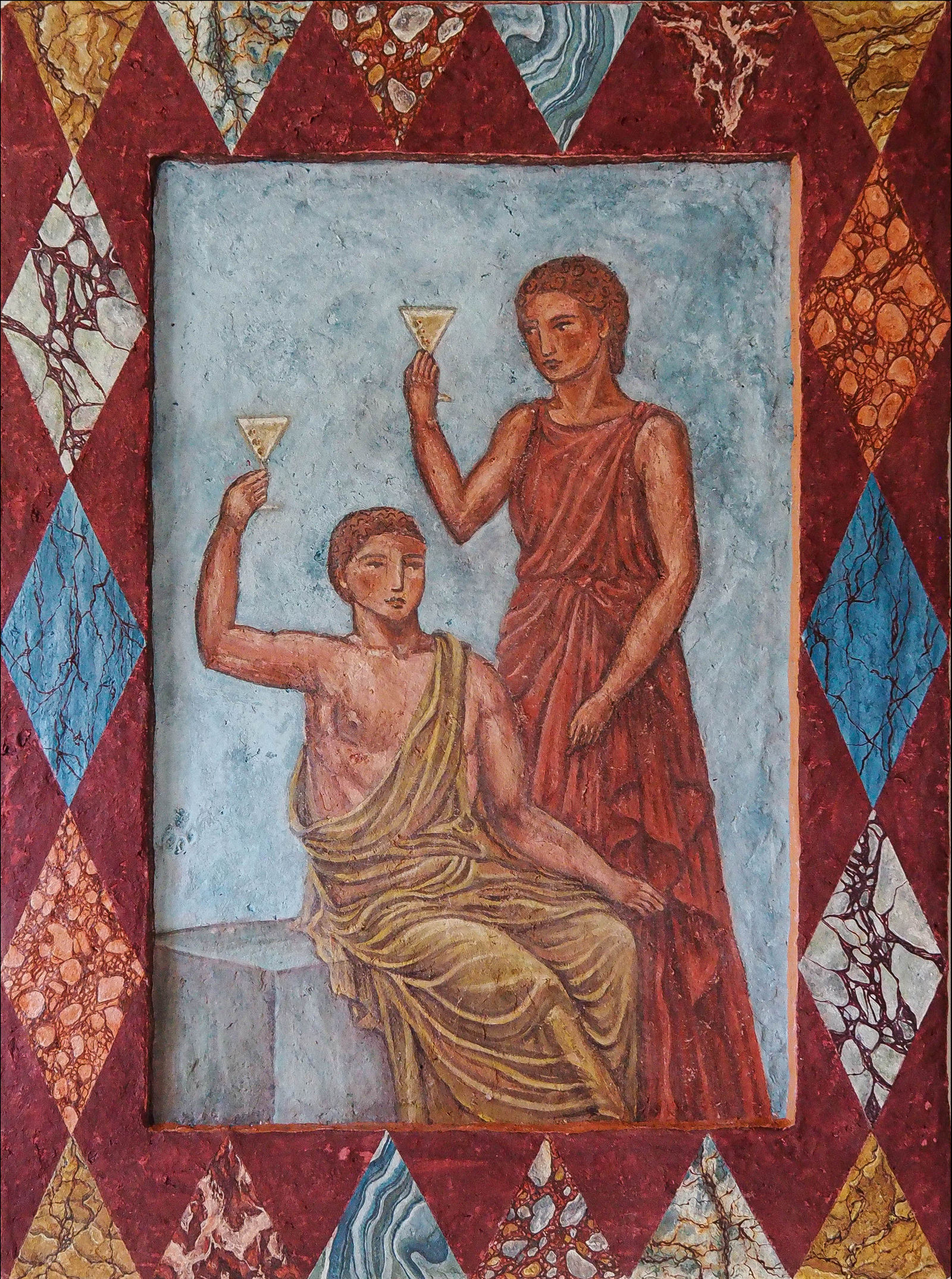
I draw a great deal of inspiration from antiquity and the presence of objects that have endured through time. Time-worn surfaces, patina, and fragments of history, particularly ancient figurative sculptures, fascinate me because they carry traces of lives and meanings that have often been lost to time. I’m especially inspired by places like Pompeii, where everyday objects and artworks have been preserved in a suspended moment of history, bearing the marks of age and use. These references influence the textures, forms, and surfaces in my work, as I’m interested in creating pieces that feel as though they hold their own layered histories and evolving meanings.
How would you describe your artistic style?
My artistic style sits somewhere between sculpture, relief, and painting, combining classical references with contemporary material experimentation. I’m drawn to figurative forms, ornamental borders, and motifs that echo antiquity, but I reinterpret them through layered, textured surfaces. Colour plays an important role in my work, often vibrant and expressive, while the surfaces carry a sense of age through layering, and patina-like finishes. The result is work that feels both ancient and contemporary, celebrating historical aesthetics while exploring new ways of making with reclaimed materials.
What message and emotion do you hope to convey with your work?
In my work, I’m drawn to imagery that feels ancient and time-worn because it invites reflection on time and how our understanding of ourselves shifts across it. I’m fascinated by the way objects from the past carry traces of human presence, how people once saw themselves, expressed identity, and left fragments of meaning behind. I’m interested in creating moments that feel familiar but slightly out of reach, like a memory you can almost place but not fully recall. Through worn surfaces, classical references, and layered textures, I try to evoke the atmosphere of antiquity and the sense that time deepens the meaning of an object.
Career Highlights
- The Other Art Fair Sydney 2022
- artist in the Debut exhibition for Oxford Street Gallery
- Artwork stocked at Art Gallery of Western Australia Design Store