Acrylic Painting
Melanie Norman
Subjects | Abstract
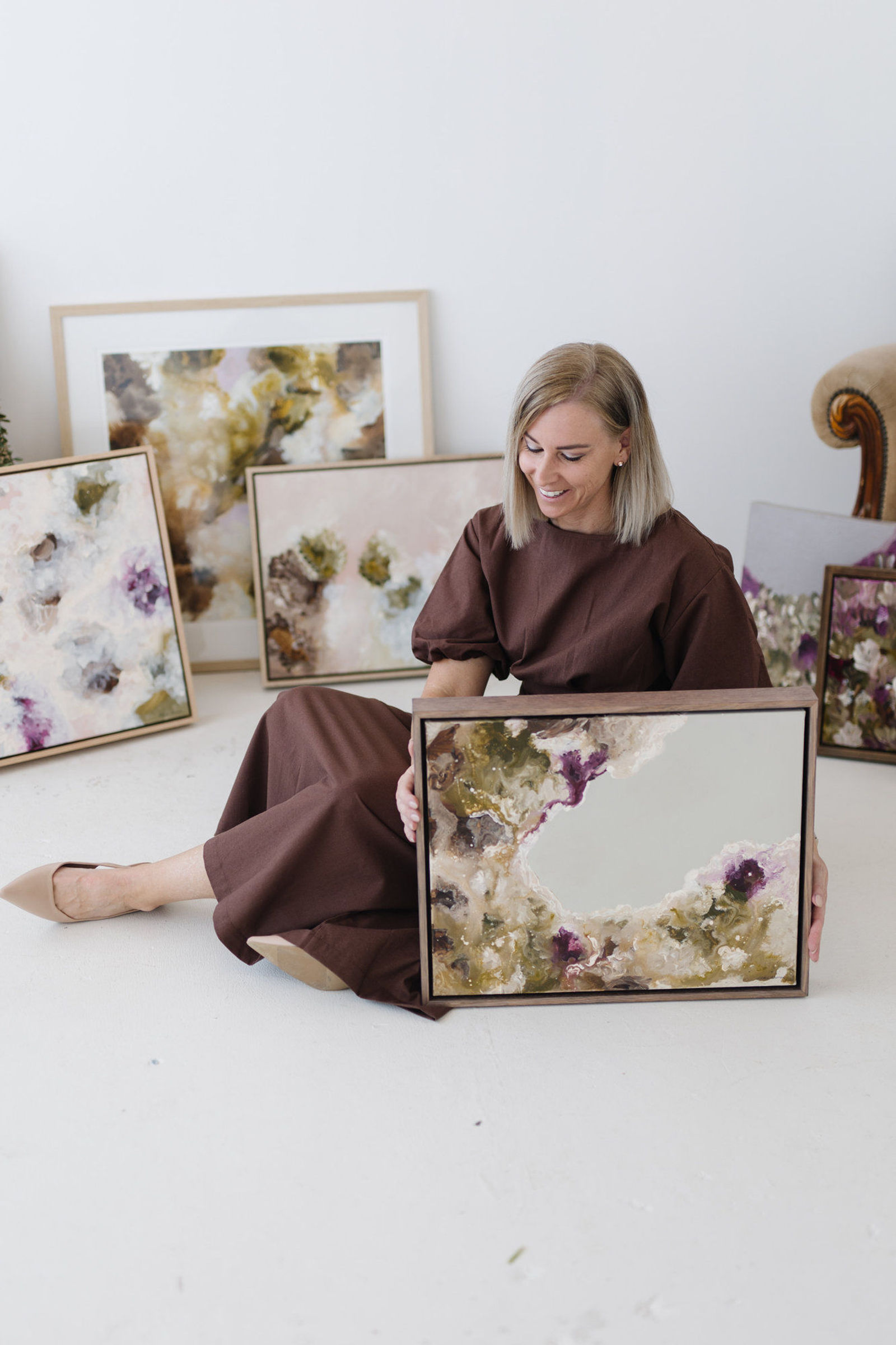
Melanie Norman is a force in the abstract art scene, her work a reflection of nature’s grounding power and a journey of personal healing.
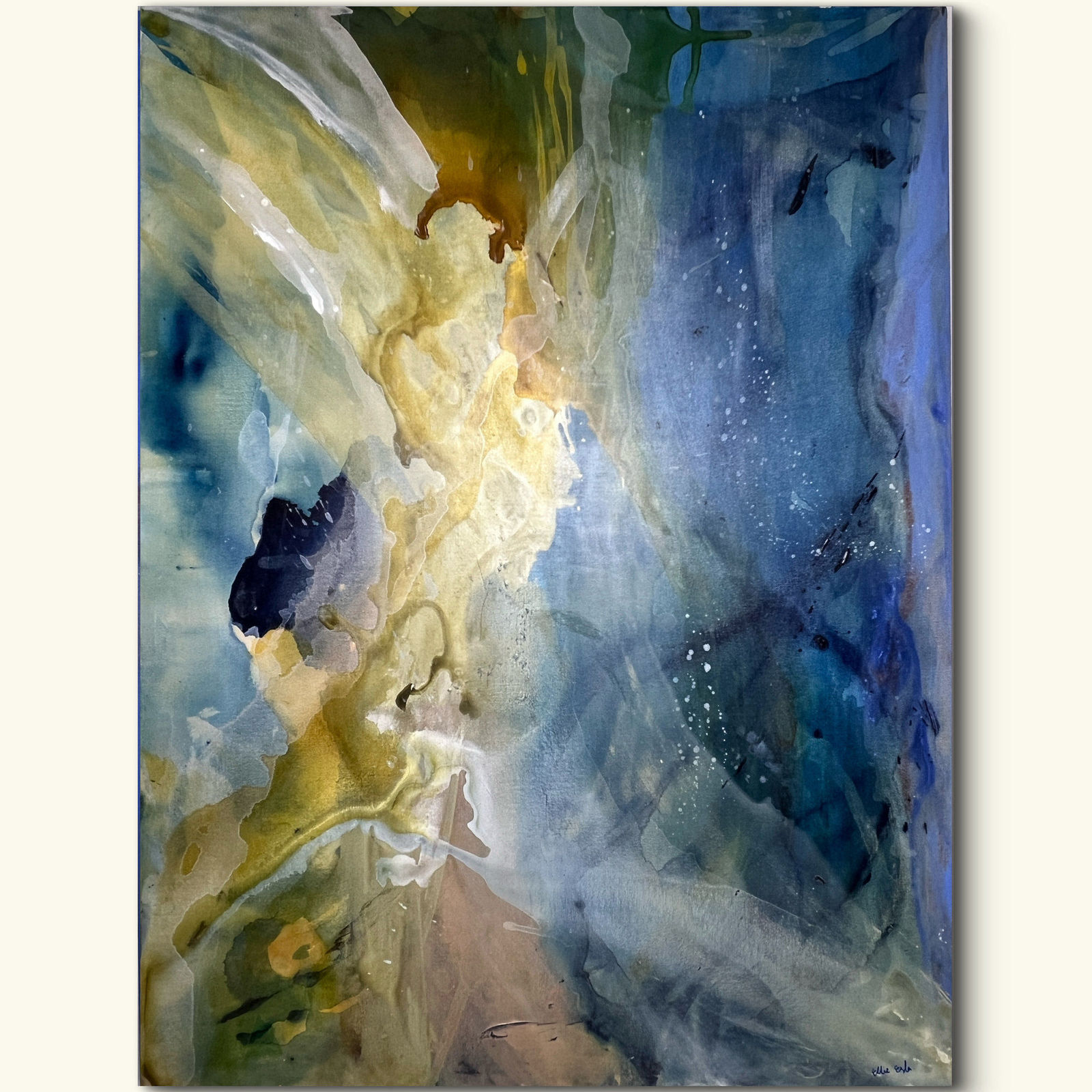
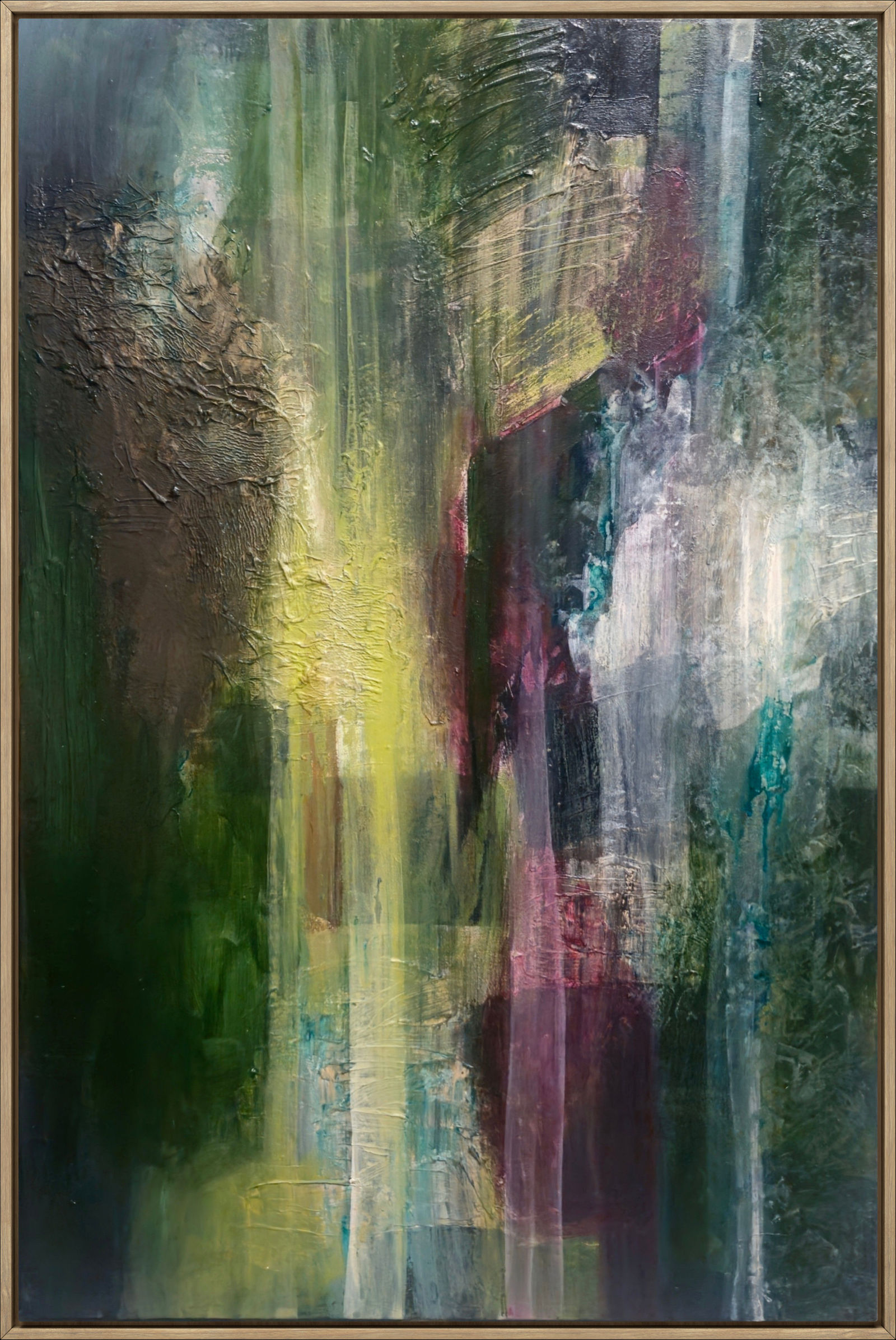
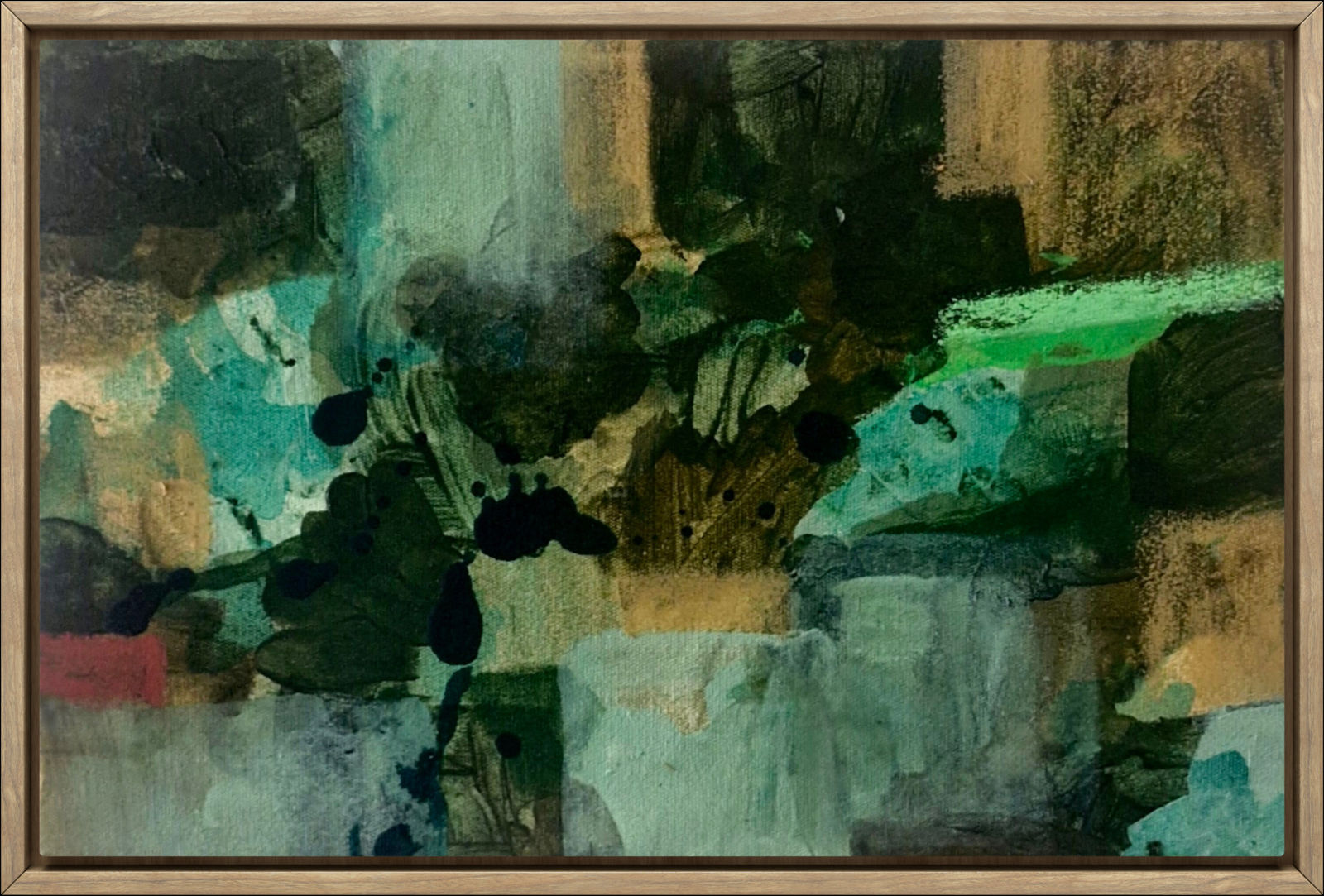
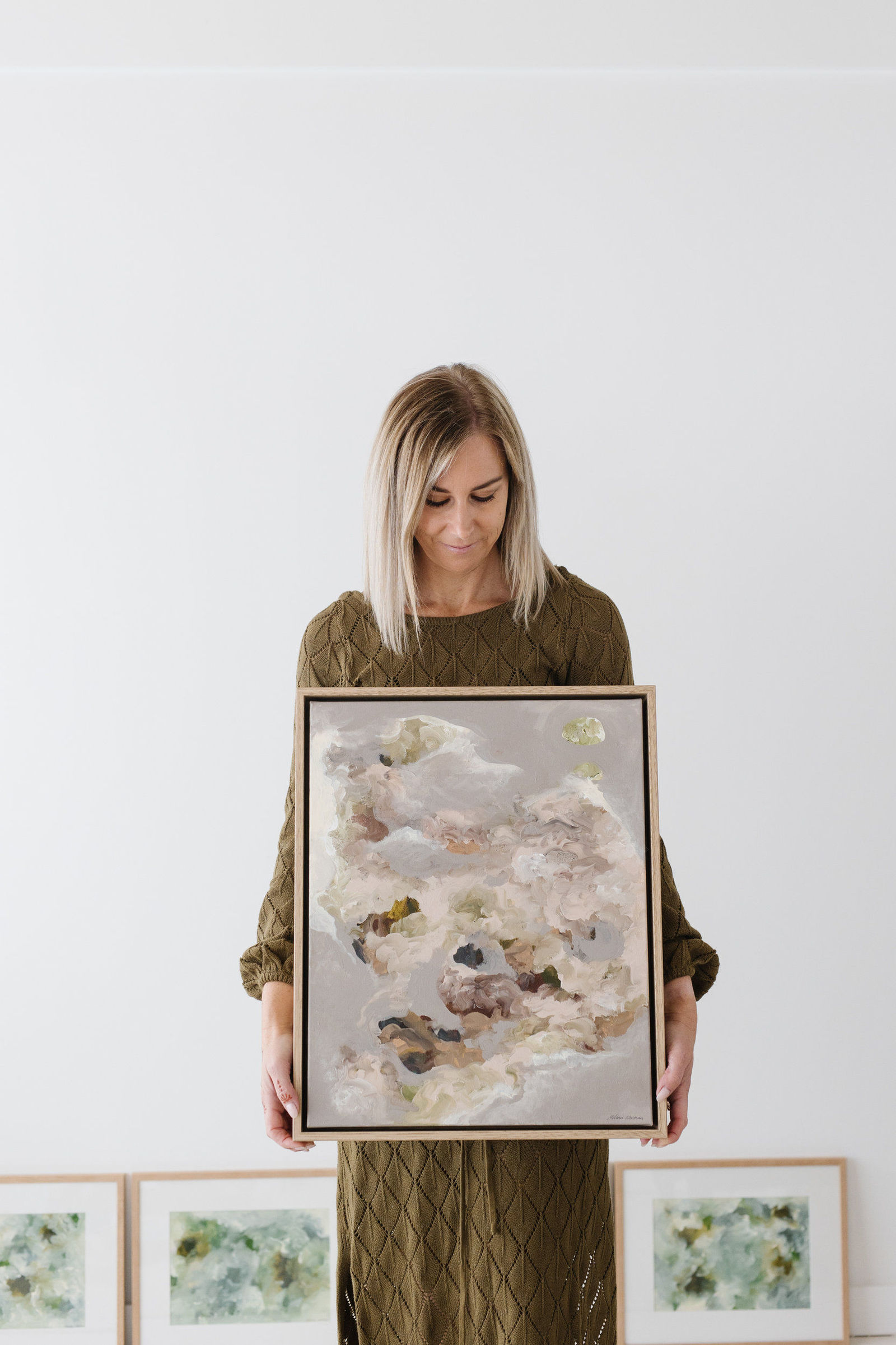
Melanie Norman is an emerging abstract artist whose compelling works with acrylic on canvas and paper have garnered attention for their depth and introspection. A self-taught painter from a young age, Melanie’s creations are celebrated as true works of art. Her palette, rich in greens, browns, and neutrals, reflects her connection to nature and evokes a sense of grounding. Central themes in her work include the release of personal health challenges, illustrating her belief in art as a powerful form of healing. Melanie invites viewers on an emotive journey, sharing the profound layers of her experiences through her innovative and expressive compositions.
Art is more than what we see—it's what we feel. My work invites you to pause, connect, and find meaning in the quiet details. Each piece carries a story, waiting to become part of yours.
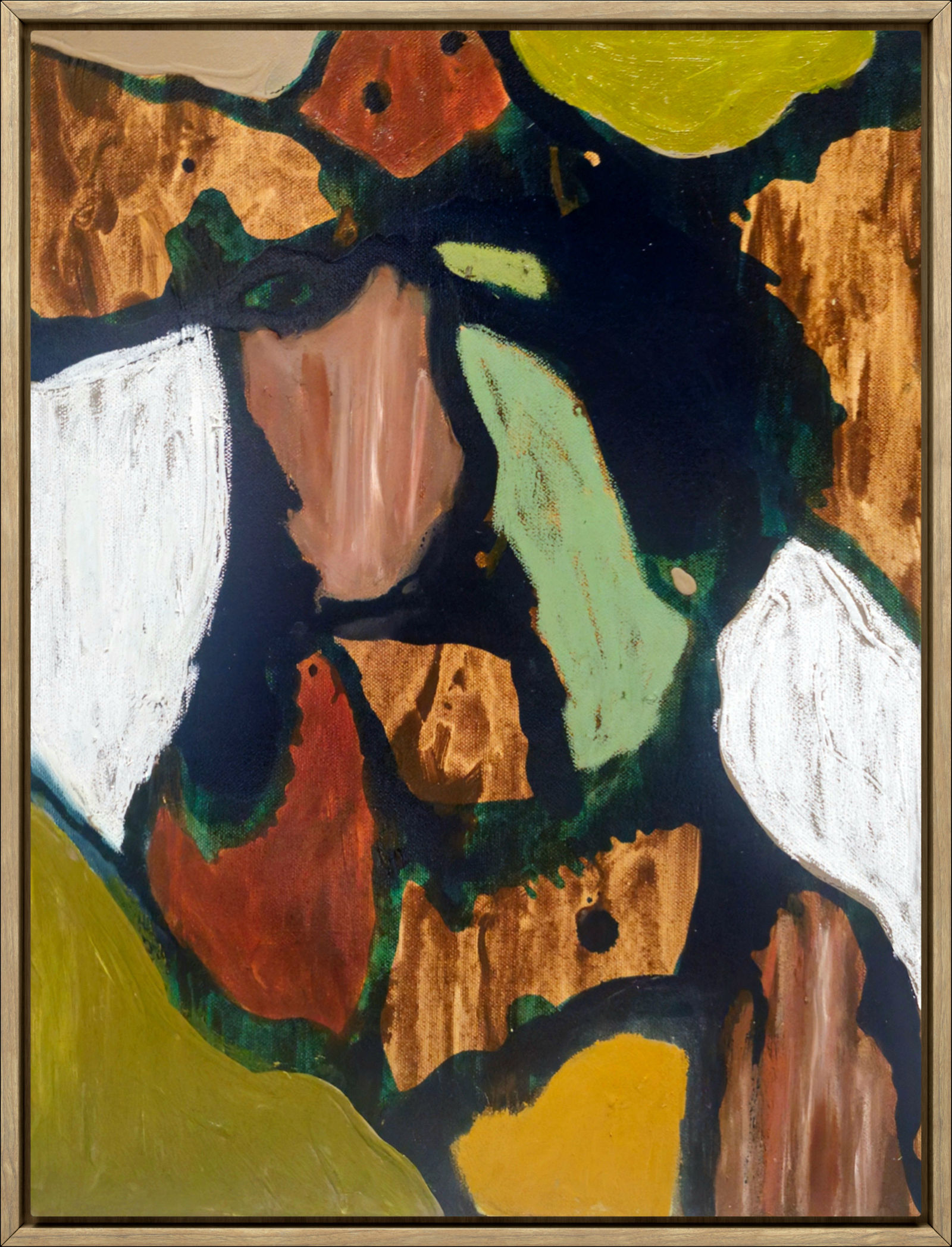
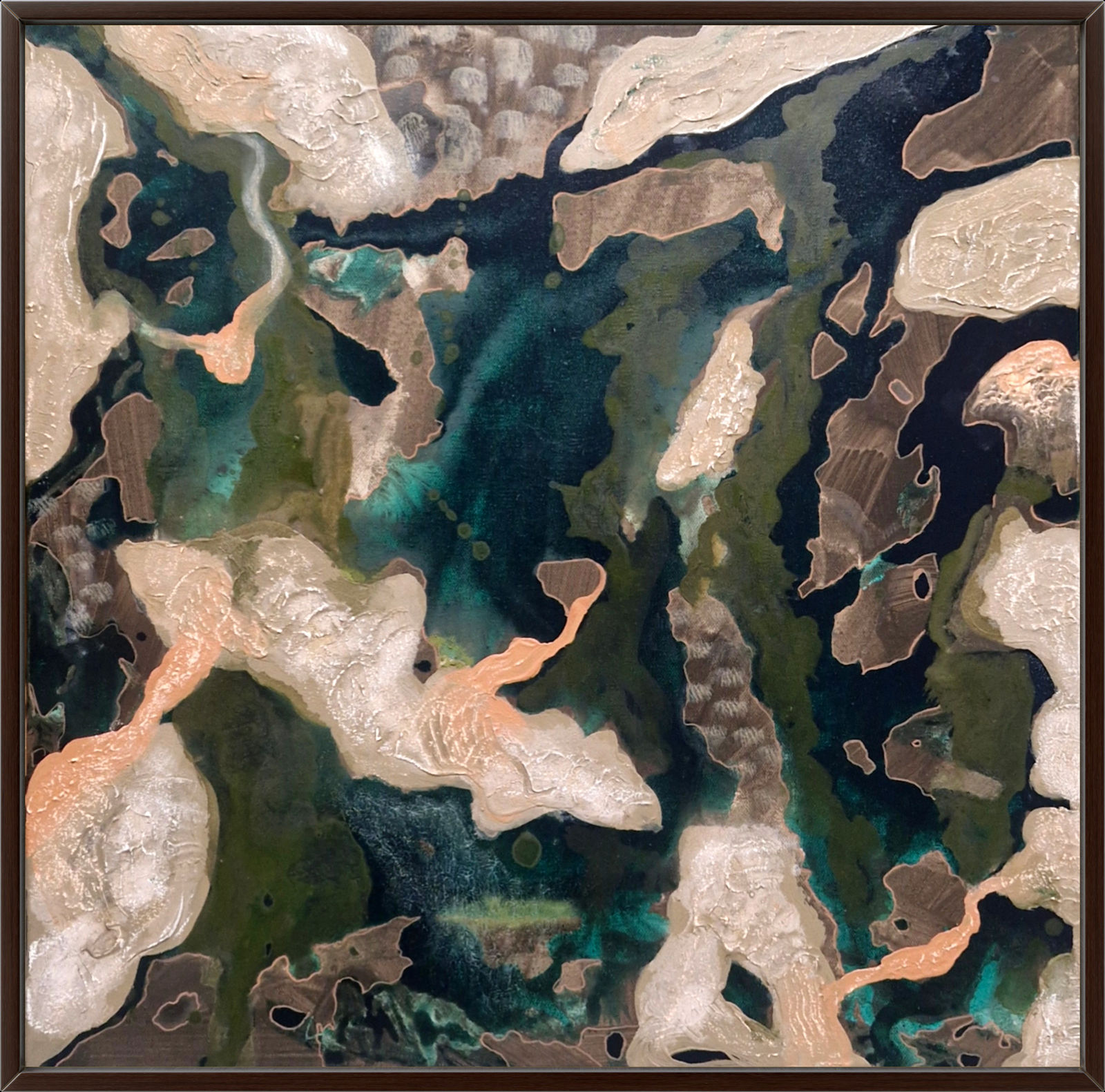
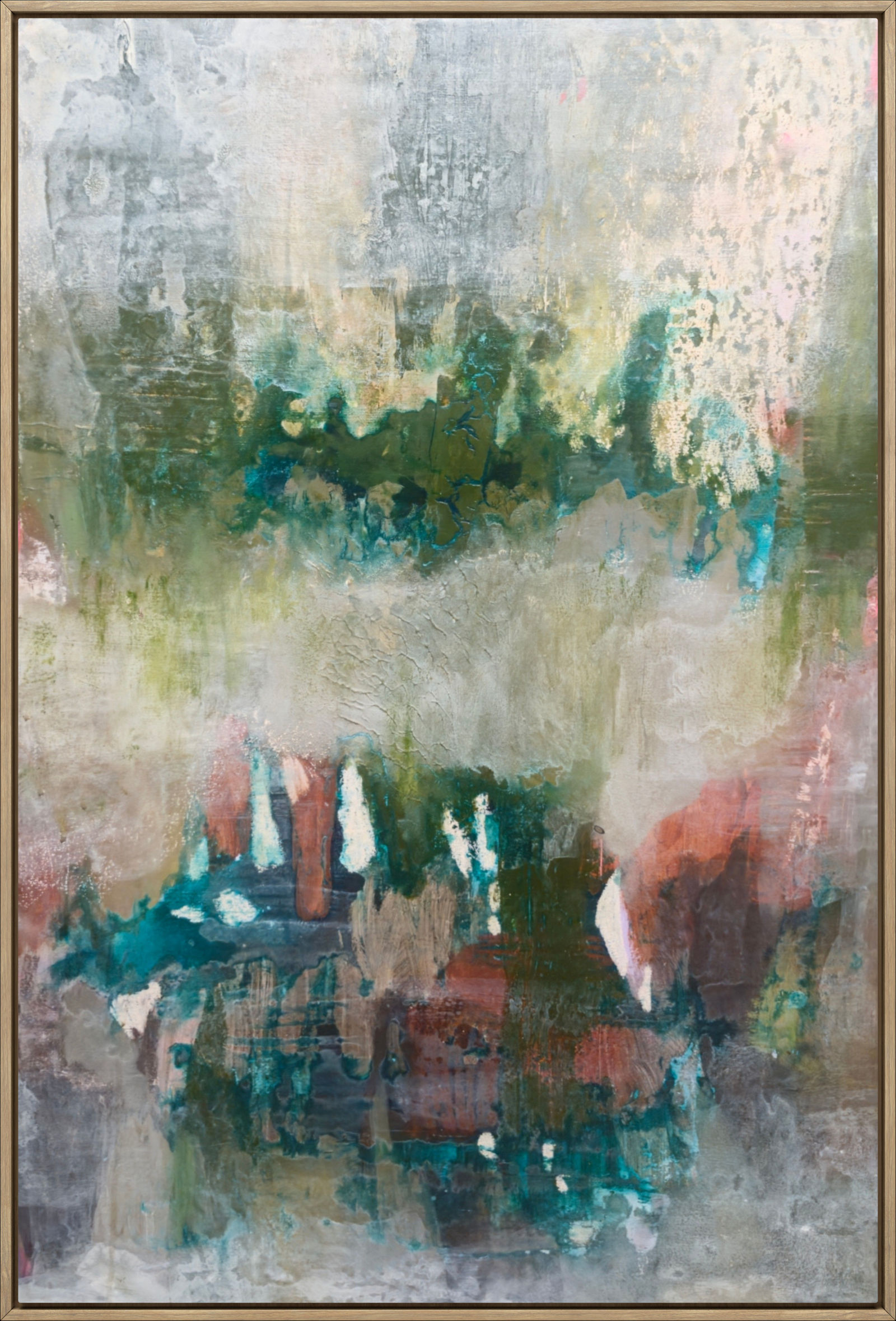
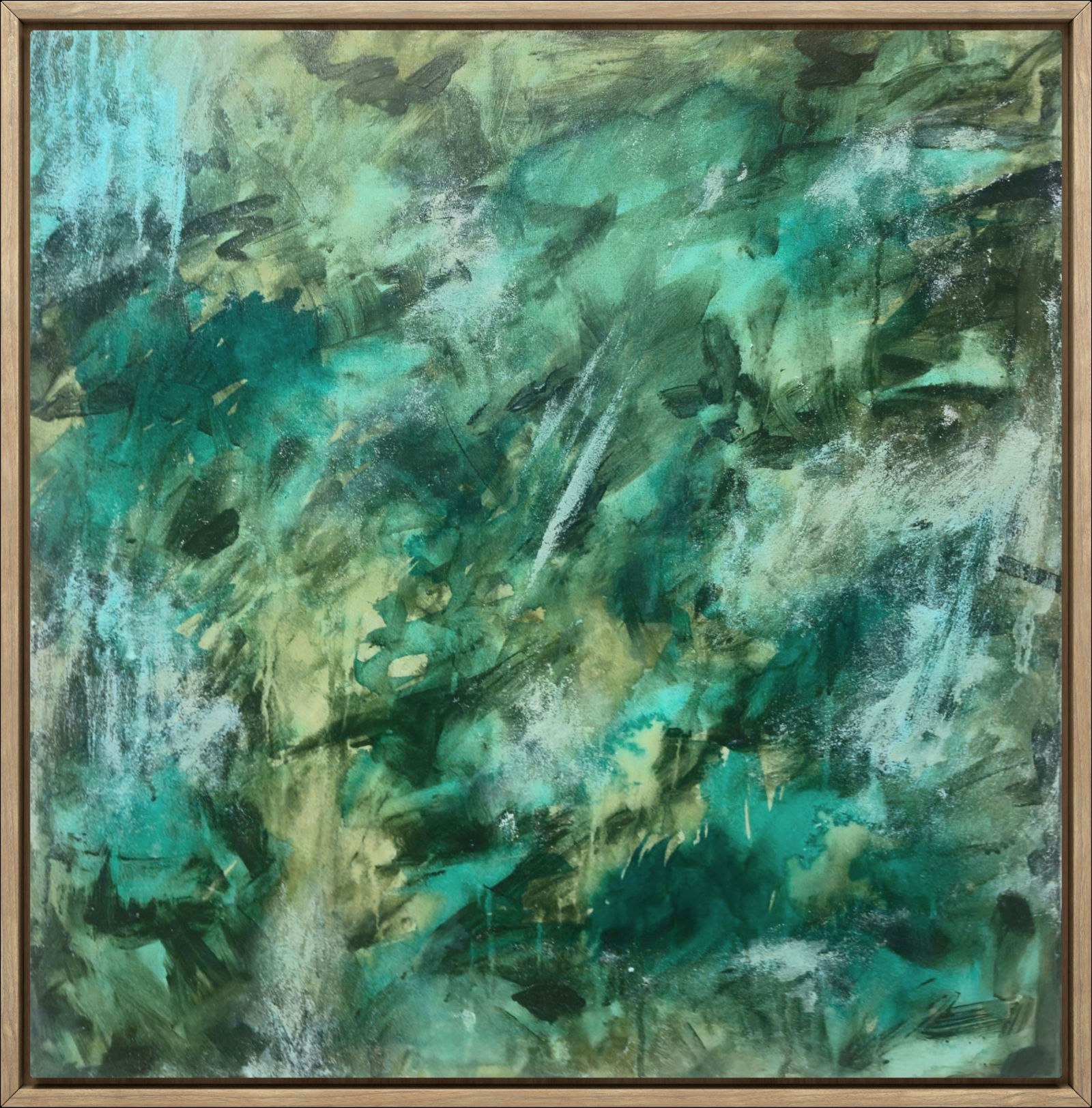
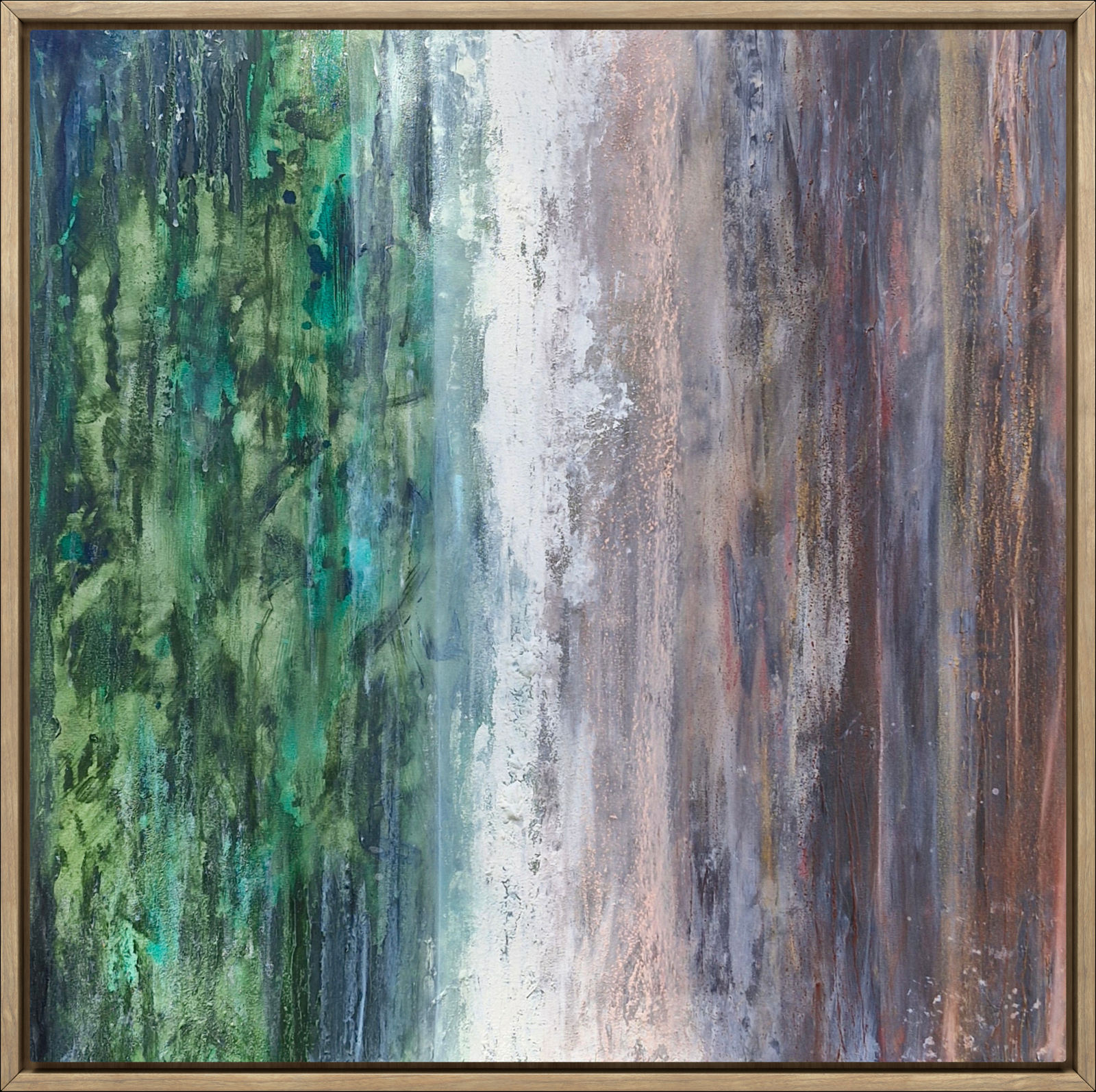
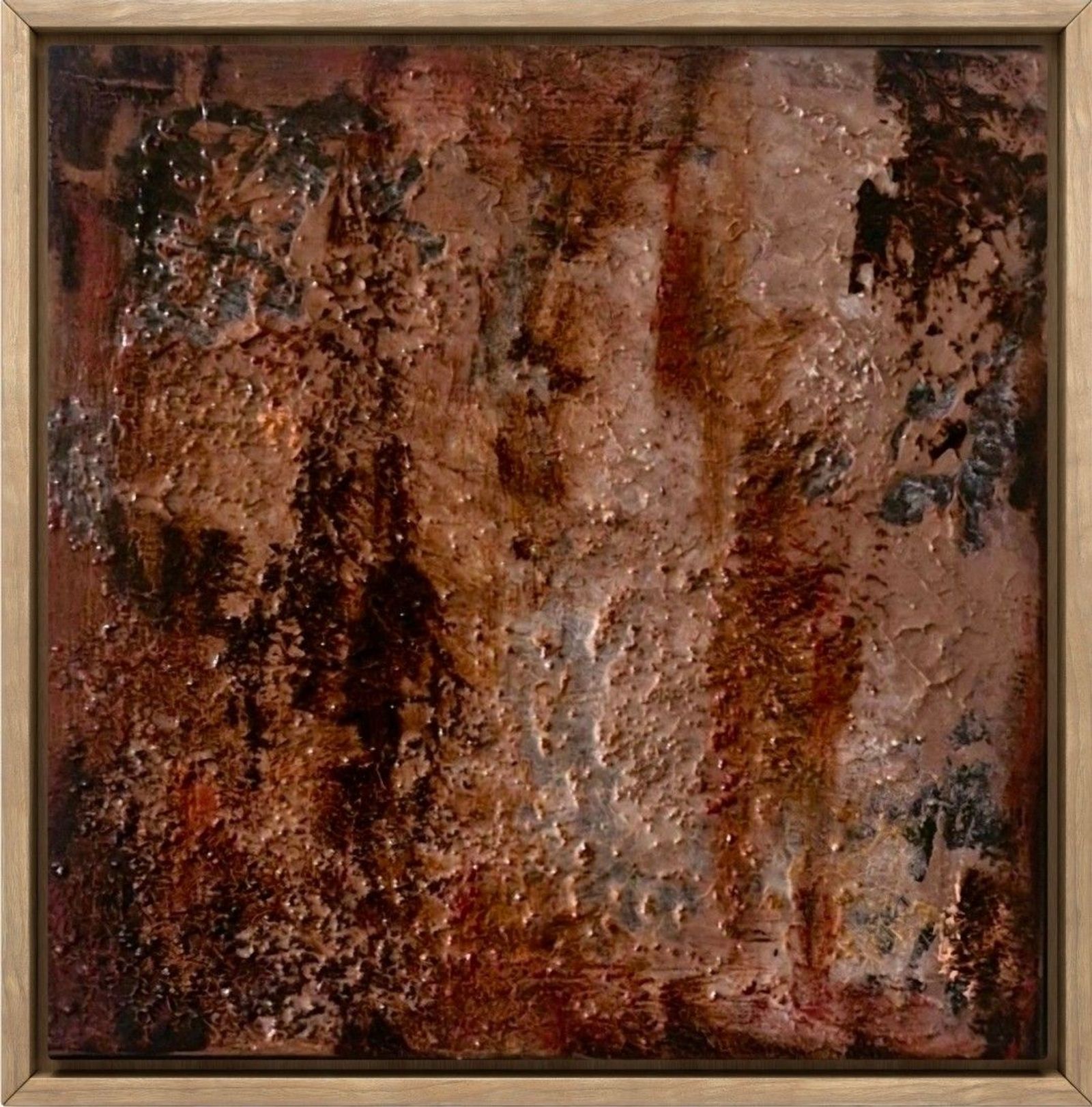
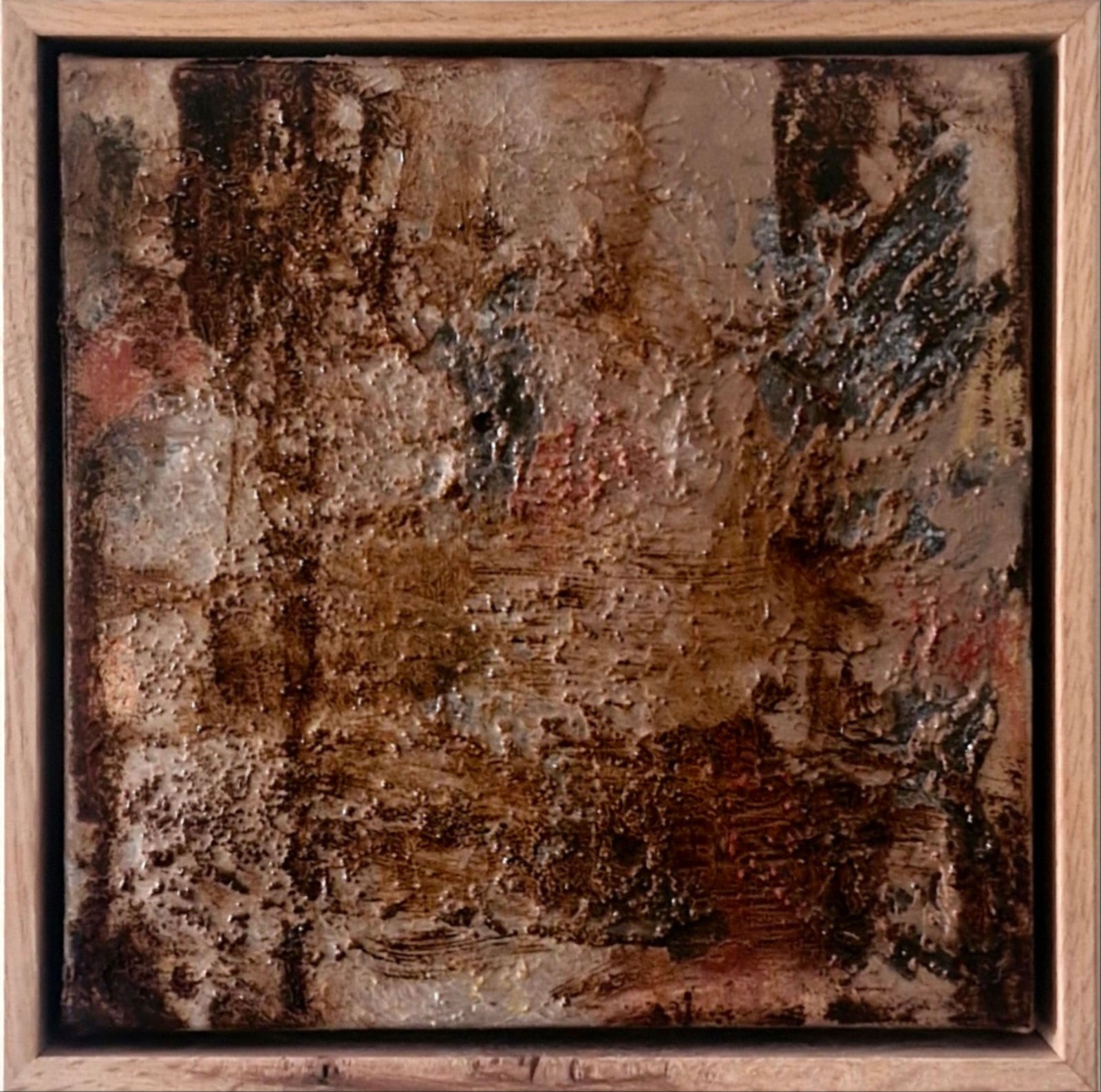
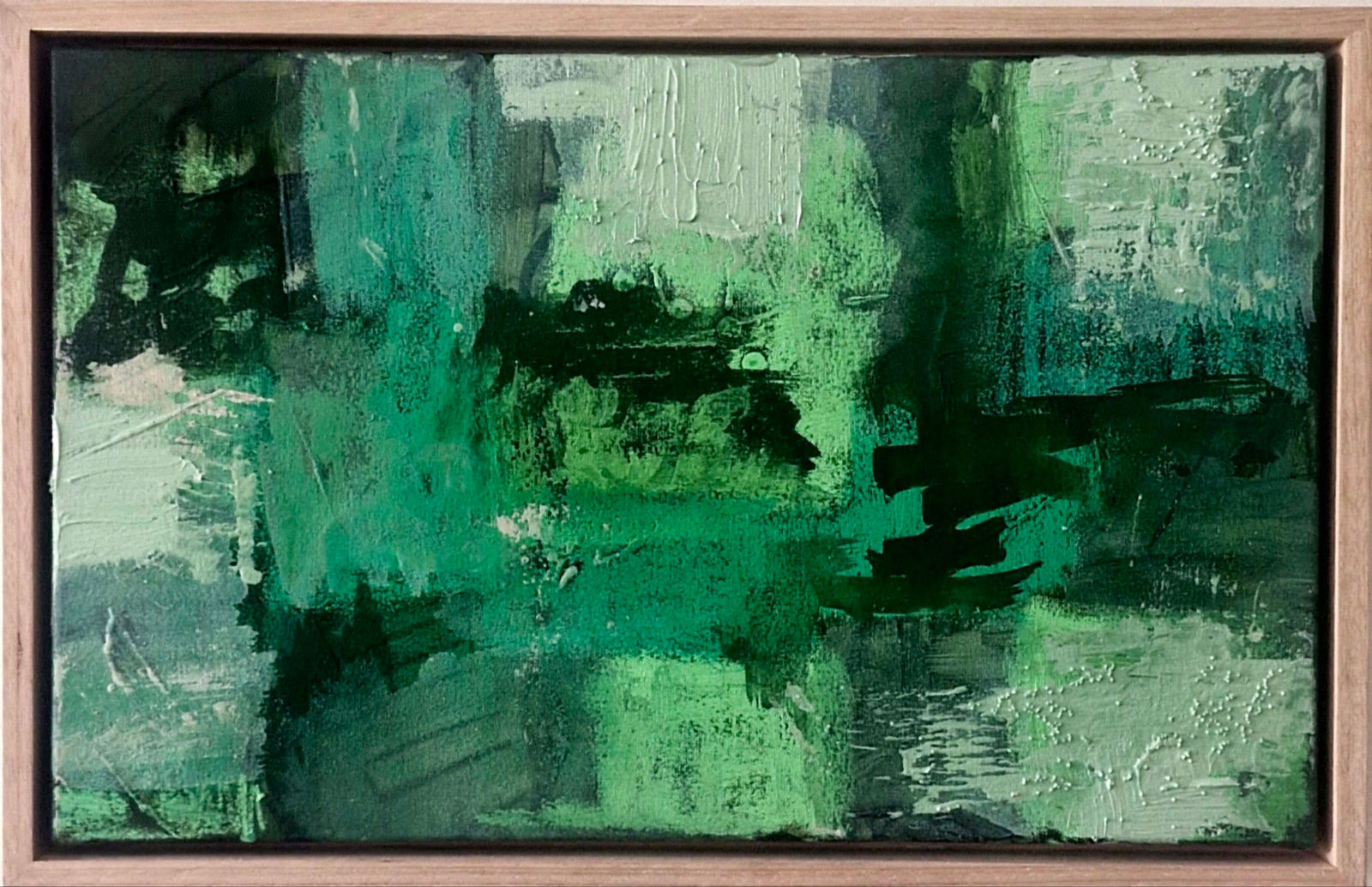

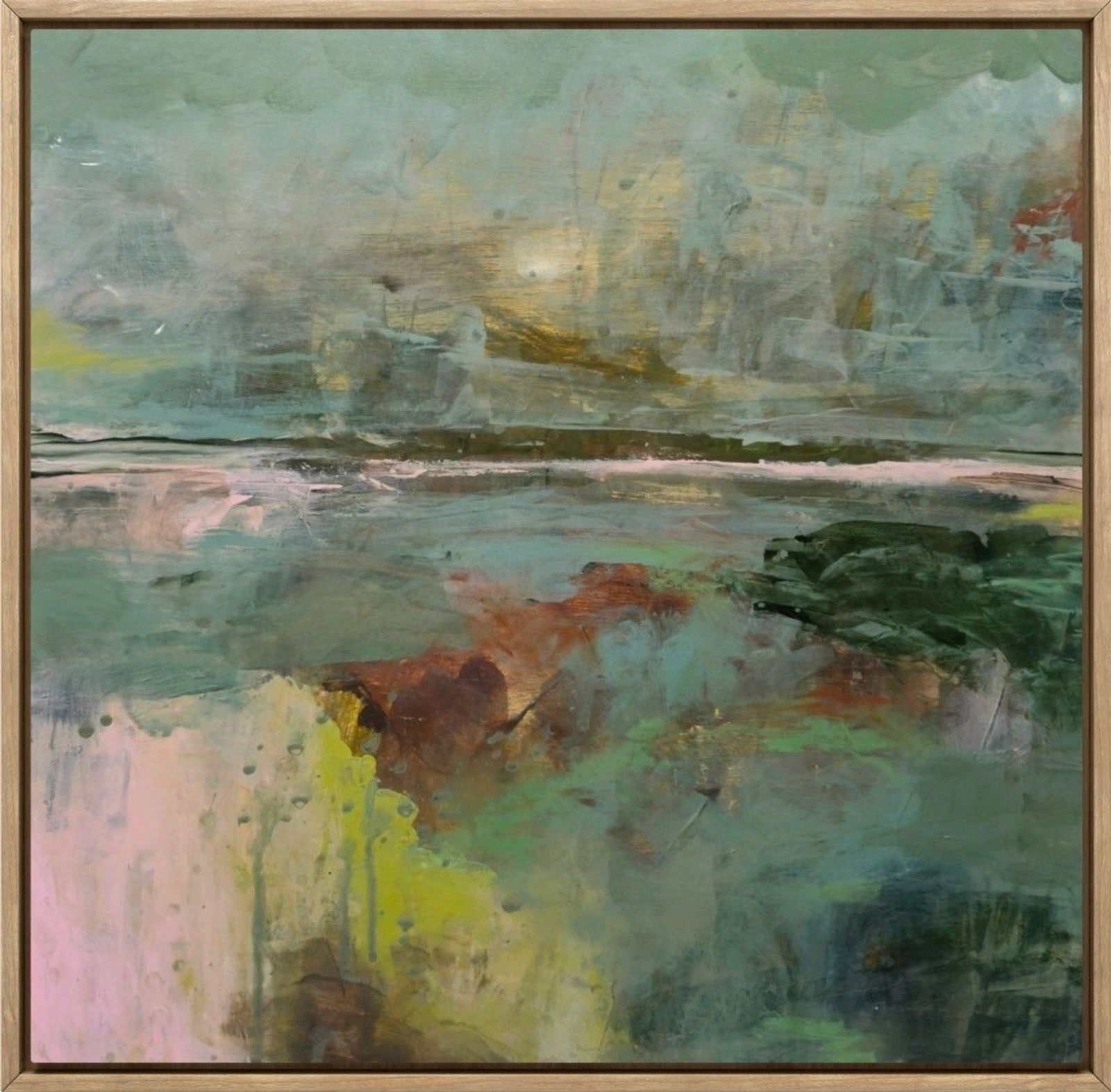

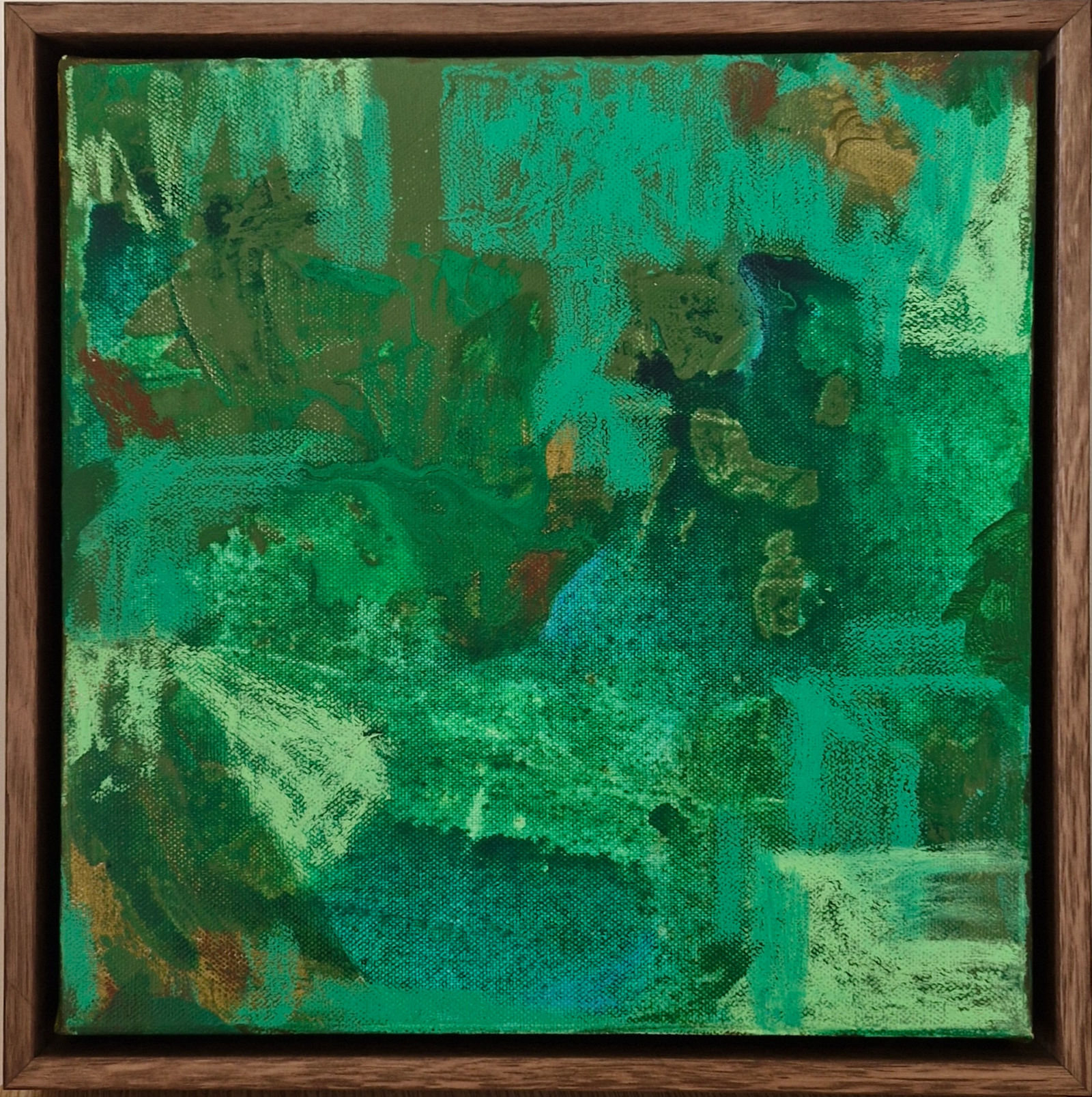
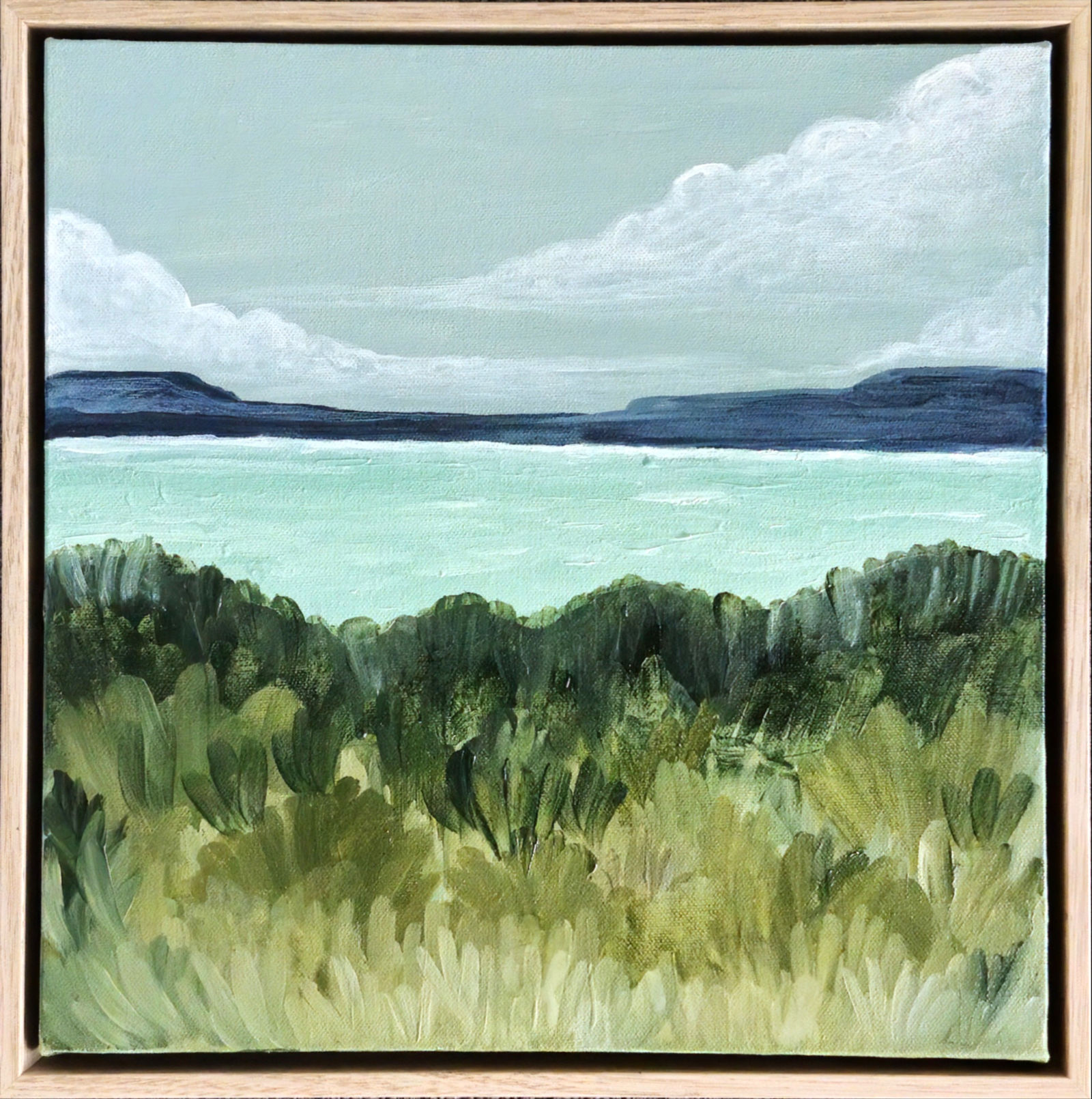


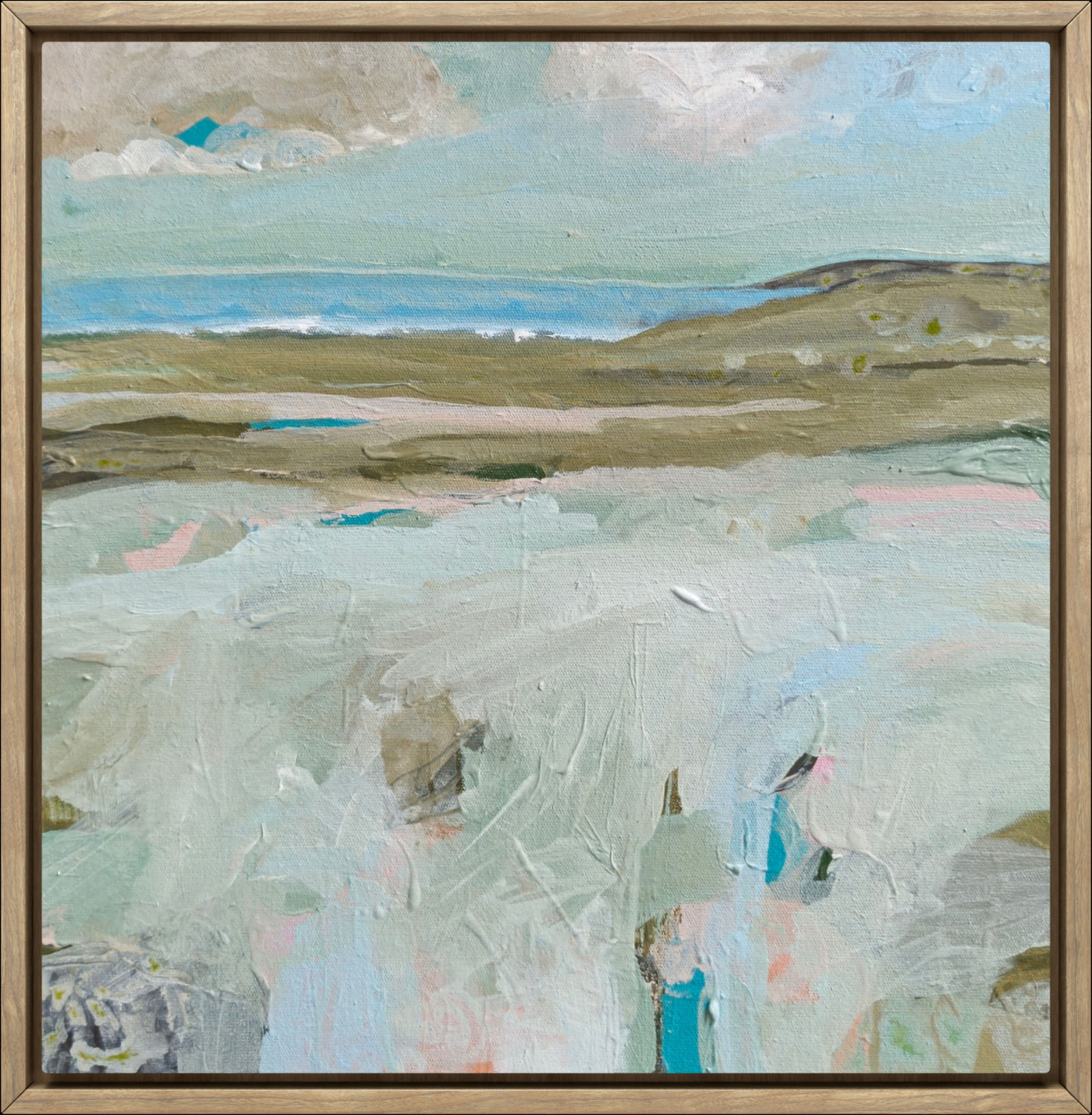
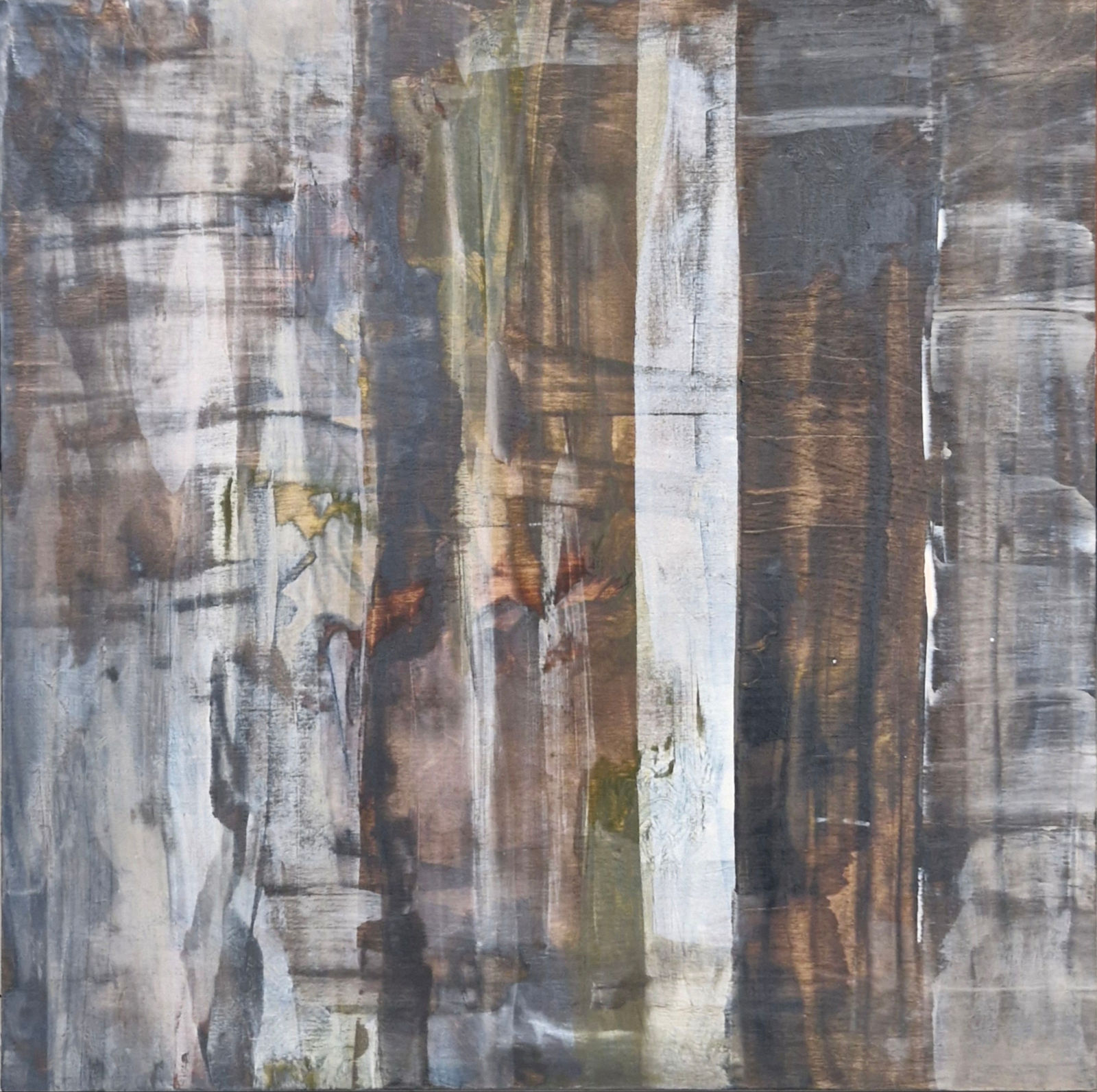

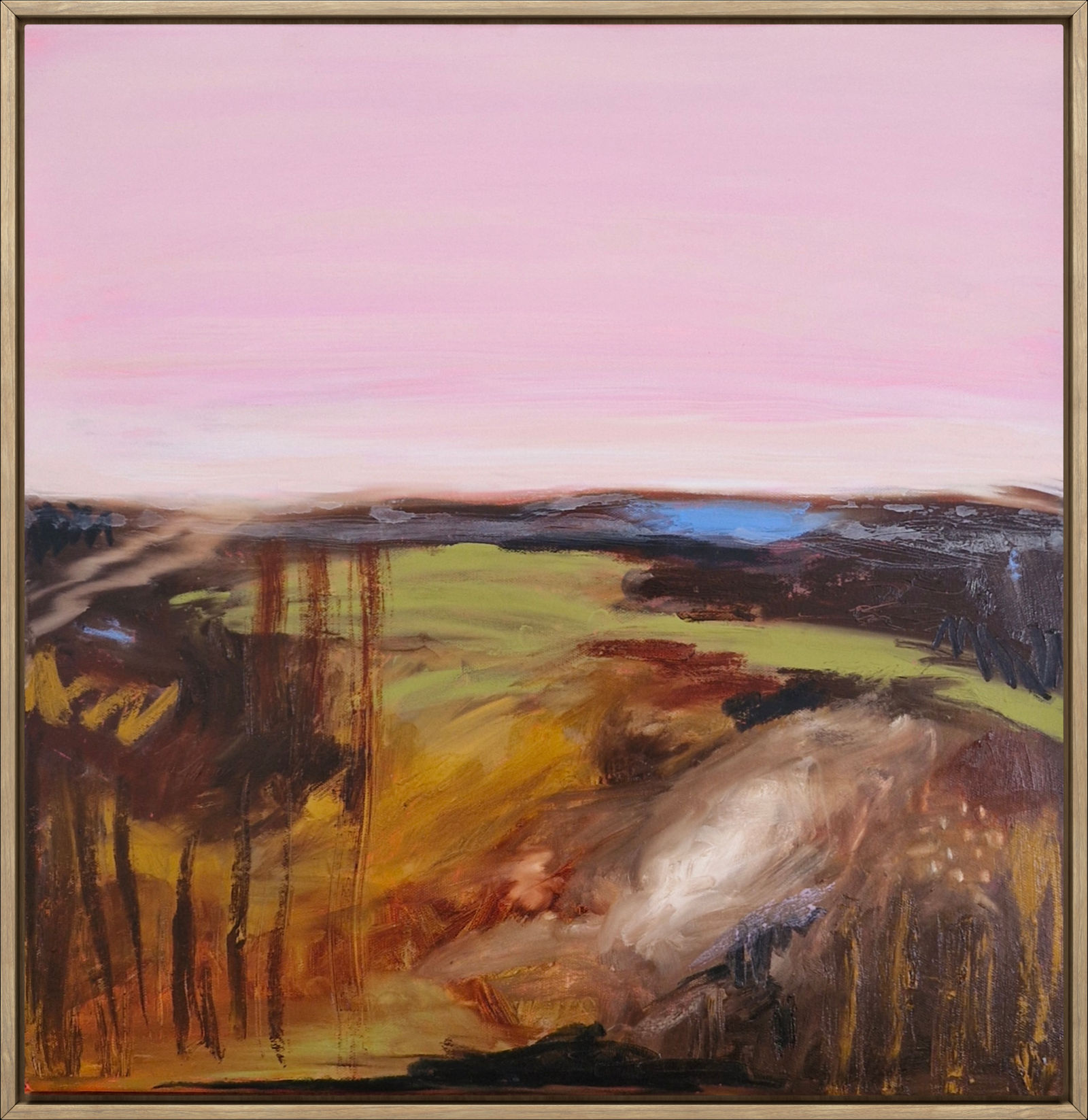

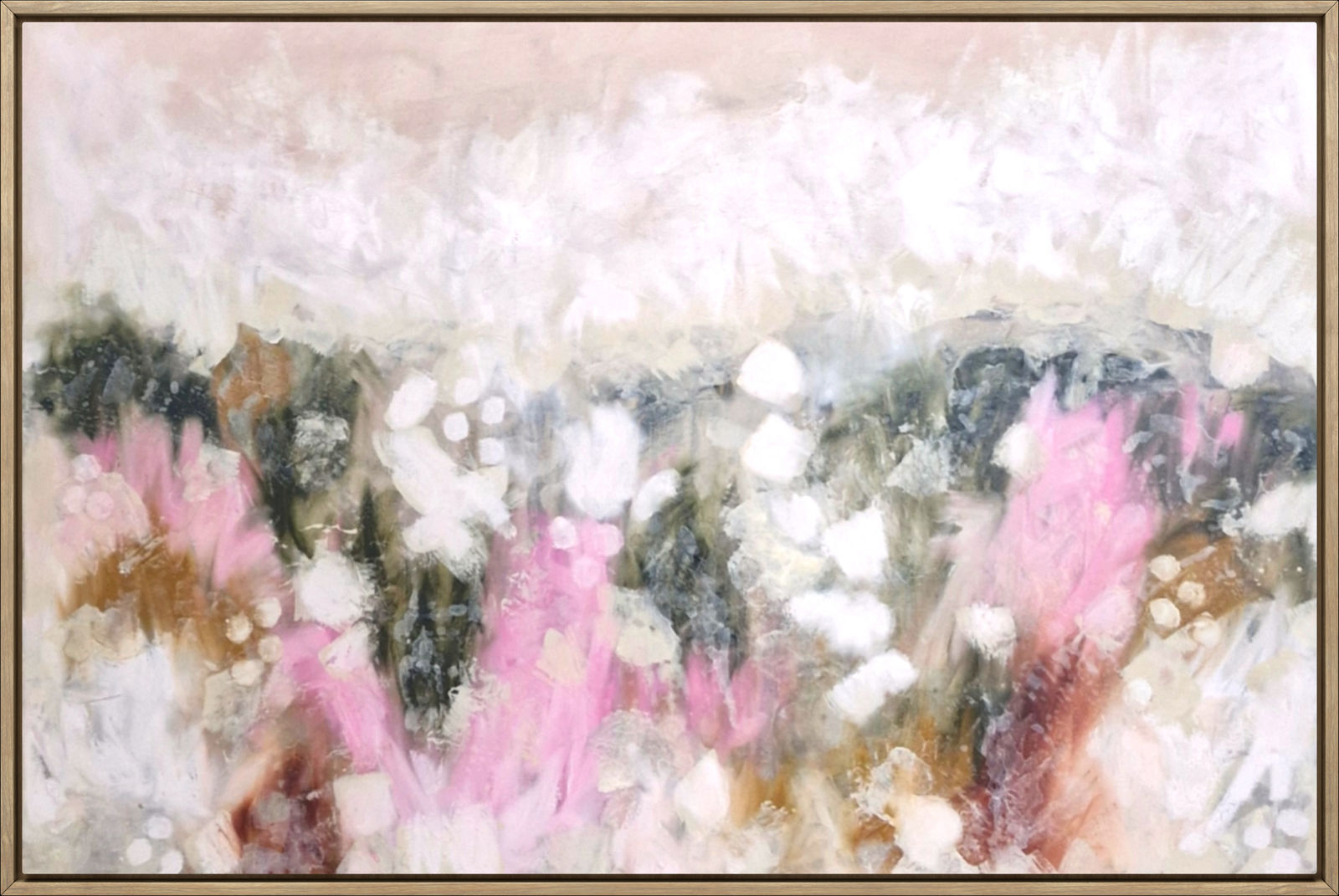
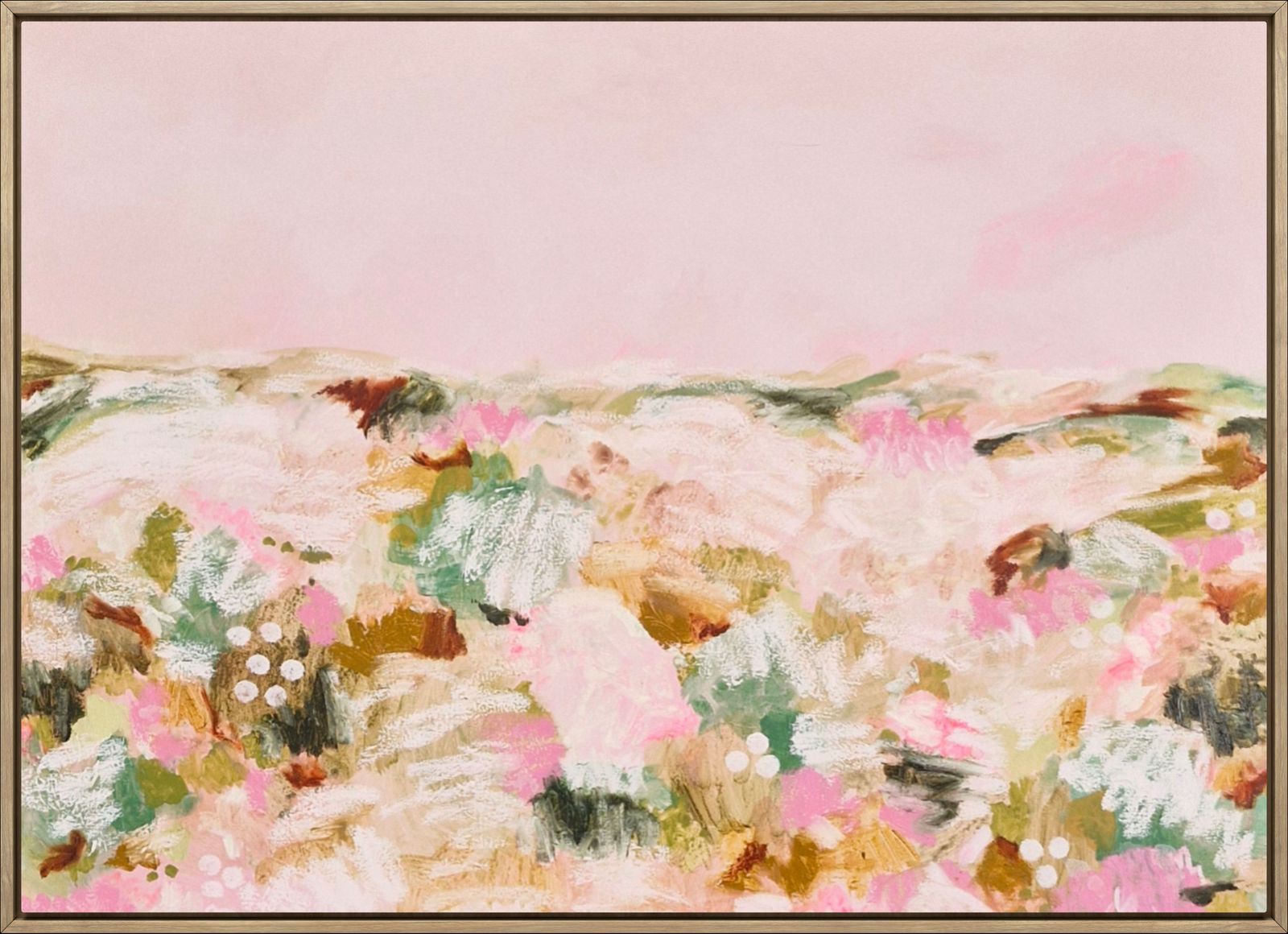
What medium do you work with, and why have you chosen them?
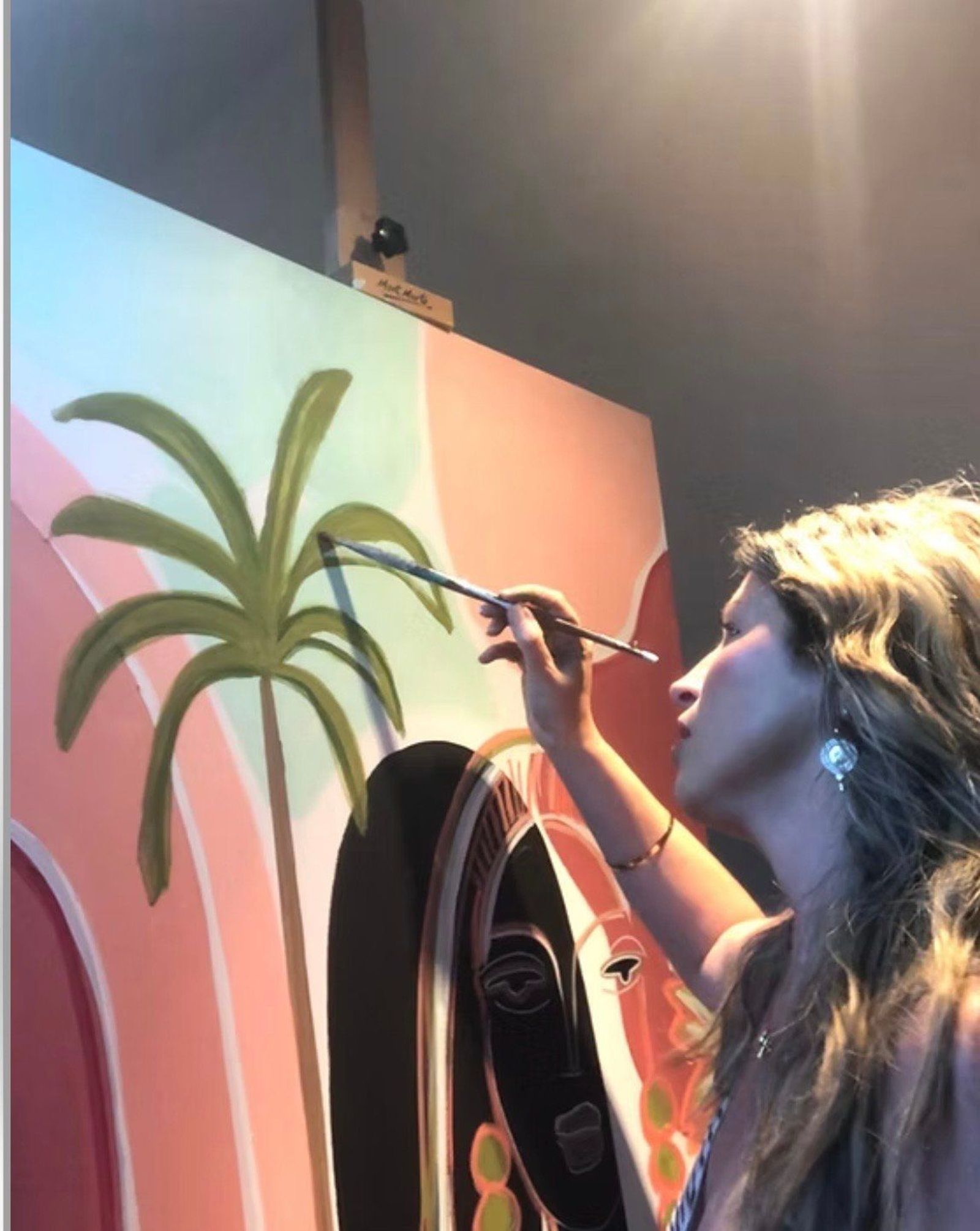
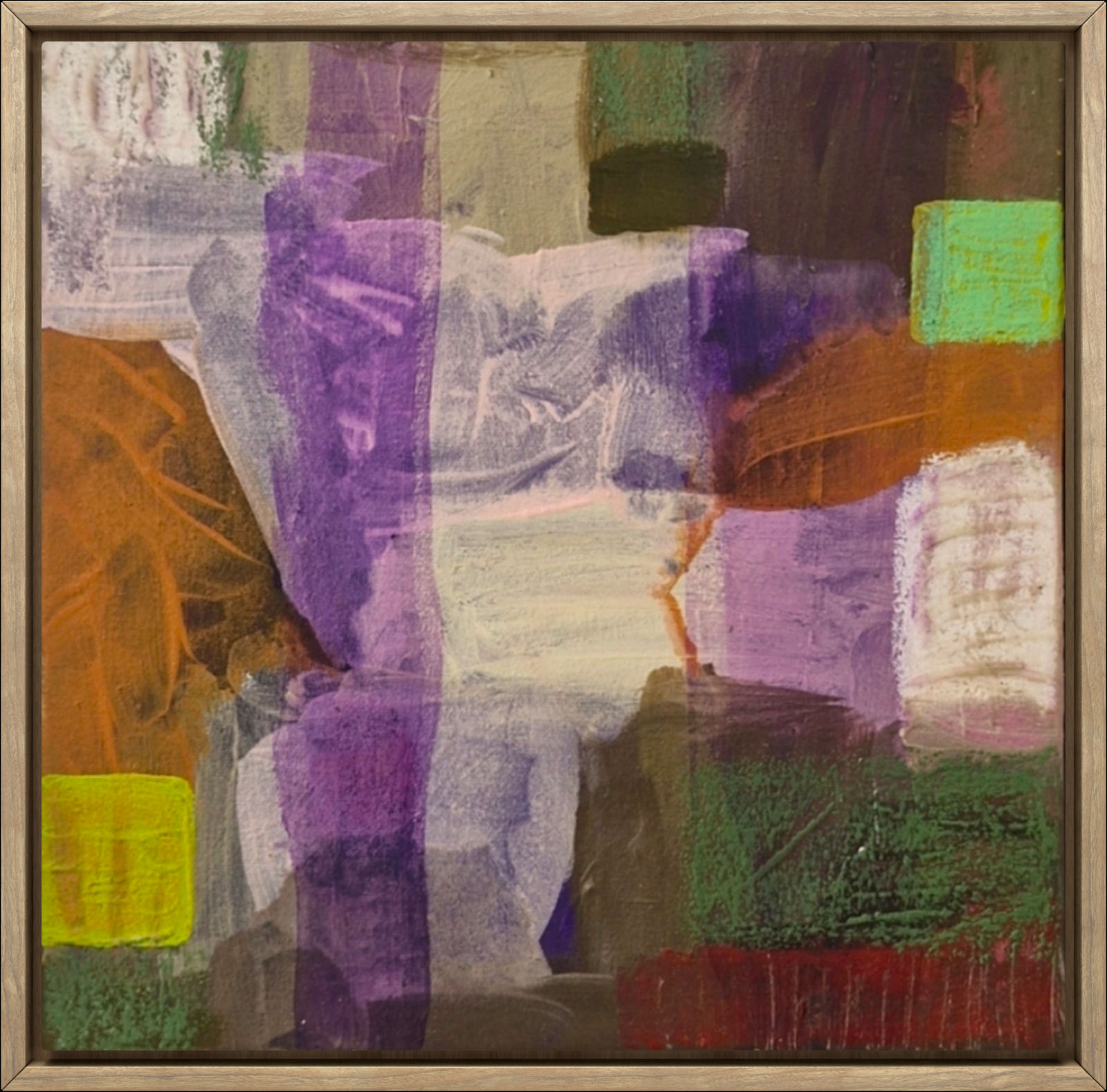
I choose acrylic paint on canvas because it offers a dynamic medium that matches the energy and spontaneity of my process. The fast-drying nature of acrylics allows me to layer quickly, capturing fleeting emotions and moments of reflection without interruption. Its versatility enables me to experiment with textures, transparency, and depth, which are essential to expressing the complex layers of my journey with nature and personal healing.
Canvas, as a surface, provides the expansive space I need to explore these ideas freely, while also offering the durability to hold the boldness and richness of my earth-toned palette. This combination of medium and surface is key to bringing my abstract visions to life, giving me the freedom to connect with viewers through both raw expression and refined composition.

How does your artwork get from initial concept to exhibition stage?
My creative process begins with quiet moments of reflection, often inspired by warm childhood memories and personal experiences. I start by immersing myself in these ideas, letting them take form in sketches or written notes that explore the emotional or thematic core of the concept. These early stages are intuitive, where I focus on the feeling I want to convey through my art.
Once I’ve developed the initial concept, I transition to the canvas. Working with acrylic paint allows me to experiment with layers and textures as I bring abstract visions to life. This phase is fluid and dynamic, often requiring multiple sessions where I build depth and adjust compositions. The fast-drying nature of acrylics enables me to move quickly between ideas, capturing bursts of inspiration without losing momentum.
As the piece evolves, I revisit my concept and fine-tune elements, considering how the textures, colours, and forms communicate the underlying themes. This is where the narrative of the work becomes clearer, and I aim for a balance between raw expression and cohesion.
When the artwork reaches completion, I begin preparing for exhibition. This involves selecting works that collectively tell a story or evoke a particular emotion in a gallery setting. I carefully consider how each piece interacts with the others, curating them to create an immersive experience for viewers. From choosing the right lighting to ensuring each piece has space to breathe, every detail is aimed at enhancing the emotional impact of the work.
Finally, I share my work with an audience, inviting them to engage with the art on their own terms, interpreting the layers and themes in ways that resonate with their personal experiences.

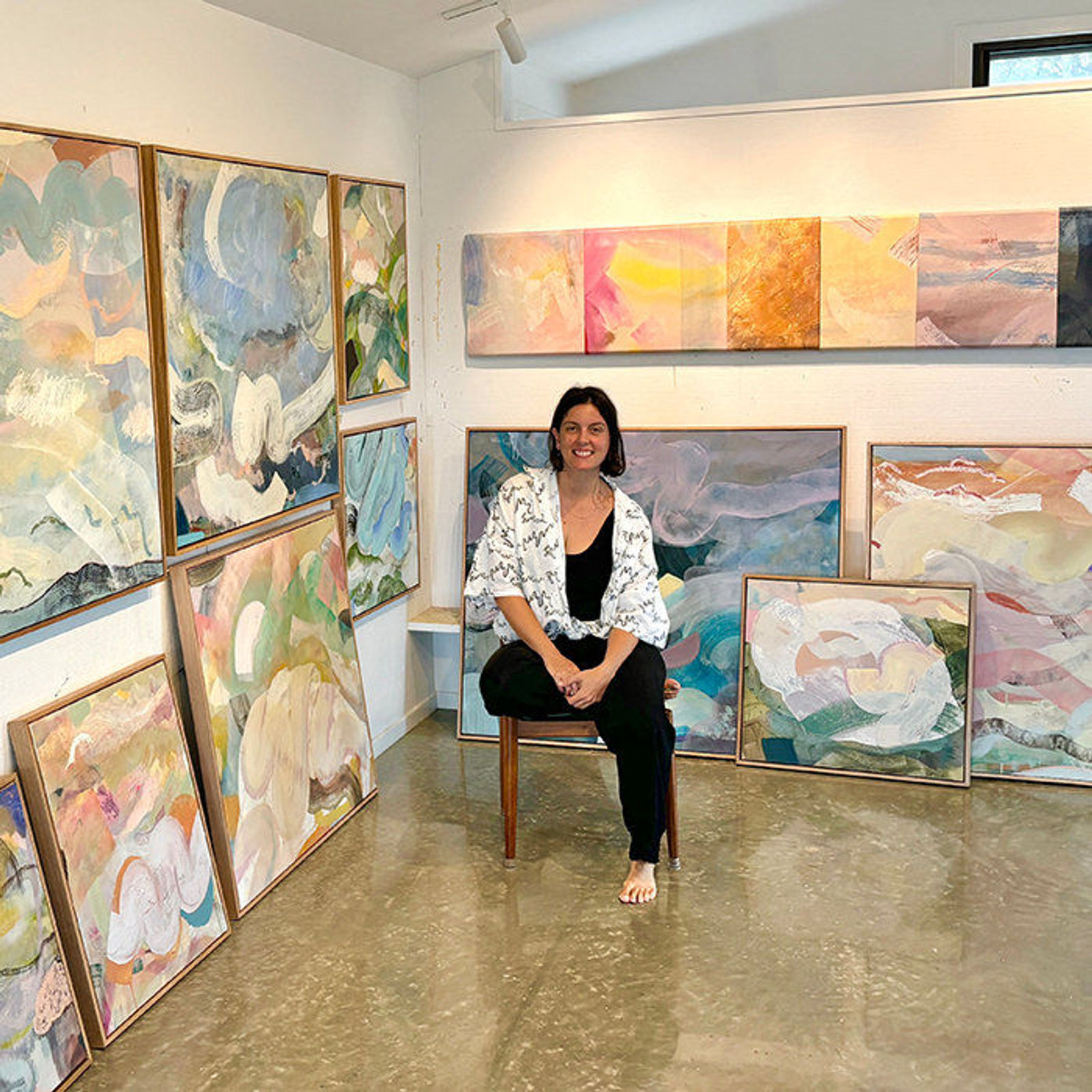
Can you tell us a little more about your creative working environment/studio?
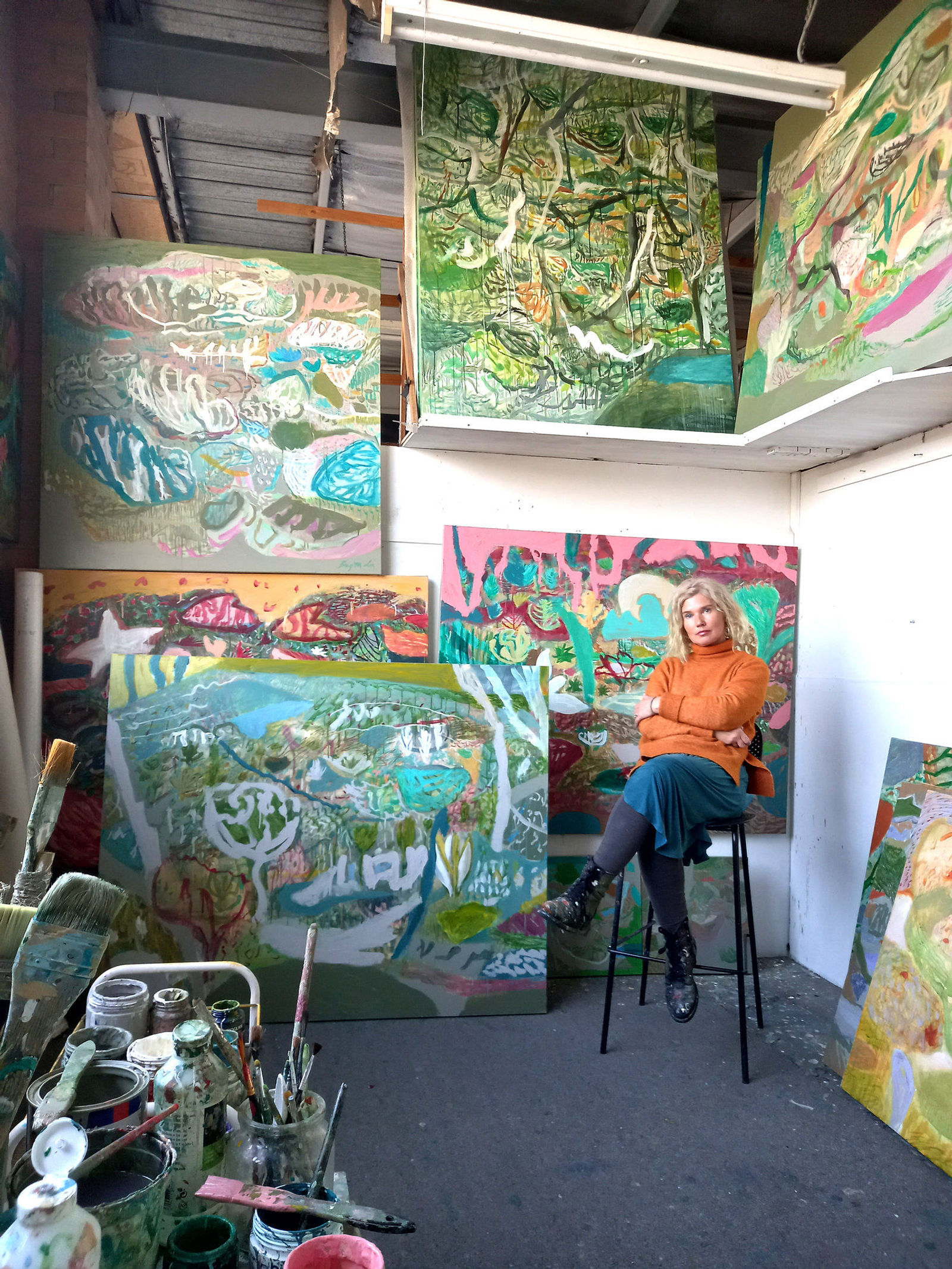
For me, the process of creating art is deeply connected to the spaves arpund me.. I find inspiration and clarity when working outdoors, surrounded by the elements that influence my work. Whether it’s the changing light, the rustling of leaves, or the grounding energy of being in nature, these moments heighten my creative focus and connection to my subject matter.
Setting up my easel in an open space allows me to fully immerse myself in the environment that fuels my abstract compositions. The textures, colors, and forms that nature offers—from the rich greens and earth tones to the organic shapes—become a direct influence on how I build layers and depth in my work. I prefer the freedom that outdoor spaces provide, where there are no boundaries and I can work with the rhythms of nature.
This natural environment brings a calmness and sense of grounding that aligns perfectly with the themes I explore in my art. It allows me to translate not only what I see but what I feel—a process that would feel confined in a traditional indoor studio setting. Each piece begins with the energy I absorb from these surroundings and flows naturally into the canvas as I respond to the elements around me.

Tell us a bit about your story and how you came to be an artist
I didn’t come to art through a traditional path—I came to it through life.
I’ve always been creative, but painting became something deeper over the past couple of years. It started as a way to process things I didn’t quite have words for—grief, change, memory—and slowly became a practice I couldn’t step away from. What began as curiosity turned into something much more instinctive and necessary.
I’m a self-taught abstract artist based in the Hunter region, and my work is led by feeling rather than a fixed plan. I build, disrupt, soften, and sometimes remove, allowing the surface to hold what needs to stay. It’s less about creating a perfect image and more about leaving evidence of experience.
Art, for me, isn’t about having all the answers—it’s about making space for what we carry.

How would you describe your creative process?
My process is intuitive and material-led.
I don’t start with a fixed plan—just a loose sense of colour or feeling. From there, I build the surface through layers, then disrupt it, soften it, and sometimes remove parts altogether. It’s a constant back and forth between control and letting go.
I’m interested in what remains after that process—what holds, what resists, what settles into the surface. The final work isn’t about resolution or perfection, but about leaving evidence of what’s been there.

What inspires you?
I’m inspired by what we carry—memory, emotion, and the things that don’t neatly resolve.
A lot of my work comes from personal experience—grief, change, family, and the quiet moments that shape us over time. I’m interested in how these things settle into us, not as clear images, but as feeling. That’s what I try to translate onto the surface.
I’m also inspired by the Australian landscape, particularly the Hunter region—the warmth, the openness, the way colour shifts across the land. It’s less about painting a place, and more about capturing how it feels to be in it.
Mostly, I’m inspired by the process itself. The act of building, disrupting, and letting something unfold without fully controlling it.

How would you describe your artistic style?
My work sits within contemporary abstract painting, with a focus on layered, material-led surfaces.
It’s intuitive and process-driven—built through adding, disrupting, and softening rather than following a fixed image. I’m interested in what remains on the surface, where marks are held, partially erased, or allowed to settle.
There’s a balance between softness and tension in the work—quiet, but not empty. It’s less about representation and more about capturing a feeling that lingers.

What message and emotion do you hope to convey with your work?
I hope my work makes people feel something familiar, even if they can’t quite name it.
A lot of what I paint comes from personal experiences—loss, love, memory, and the idea of home. Those things stay with us, and I try to hold that in the work.
More than anything, I want people to feel a sense of comfort in that. That what they’re carrying isn’t isolated or unusual—it’s part of being human.
Career Highlights
- Semi-finalist Newcastle Club Foundation Art Prize 2024
- Finalist Independent Visions Art Prize 2026
- COMBINE. exhibition LEDA Gallery 2026