Acrylic Painting
Jennifer Bell
Subjects | Abstract
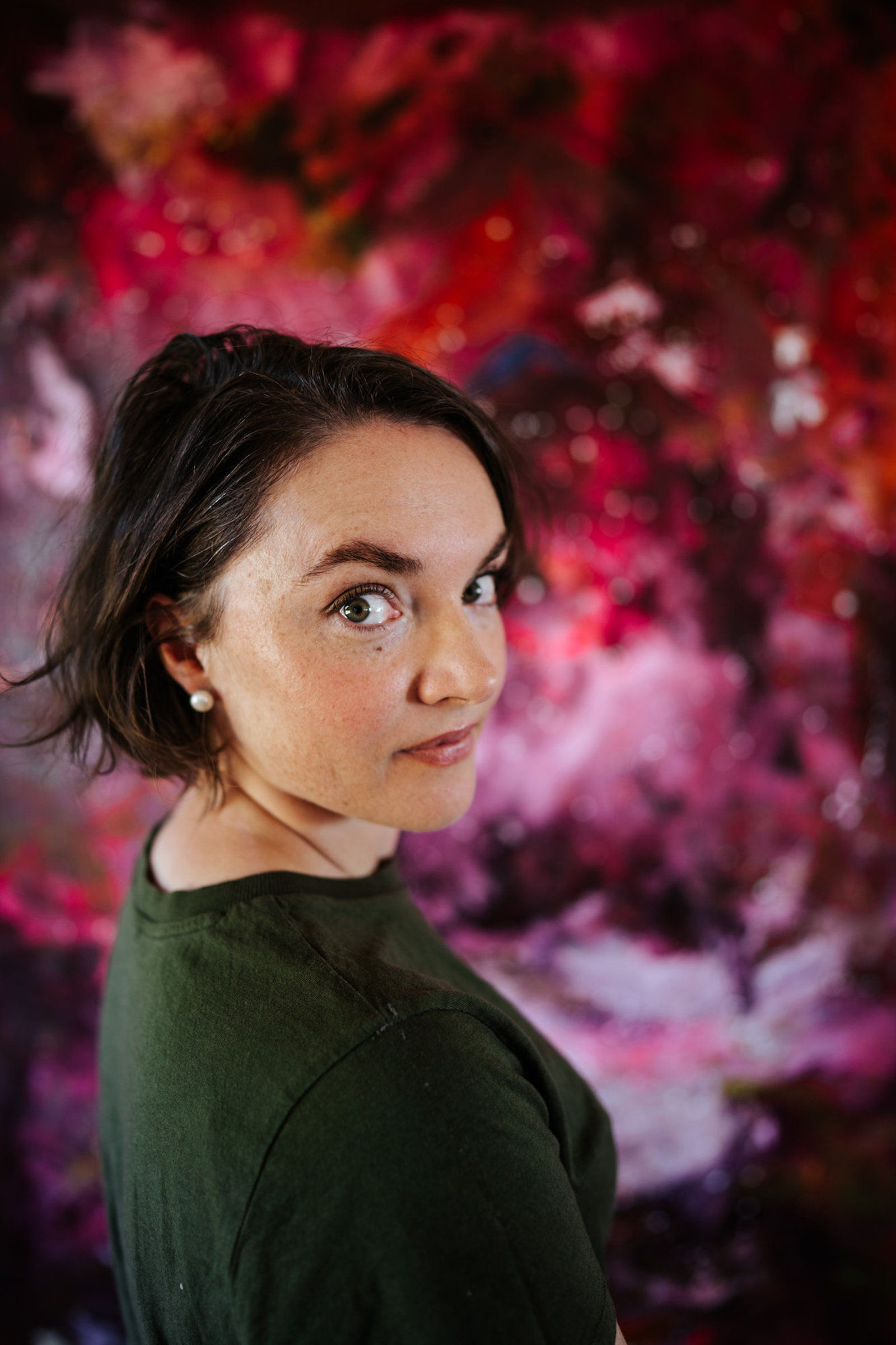
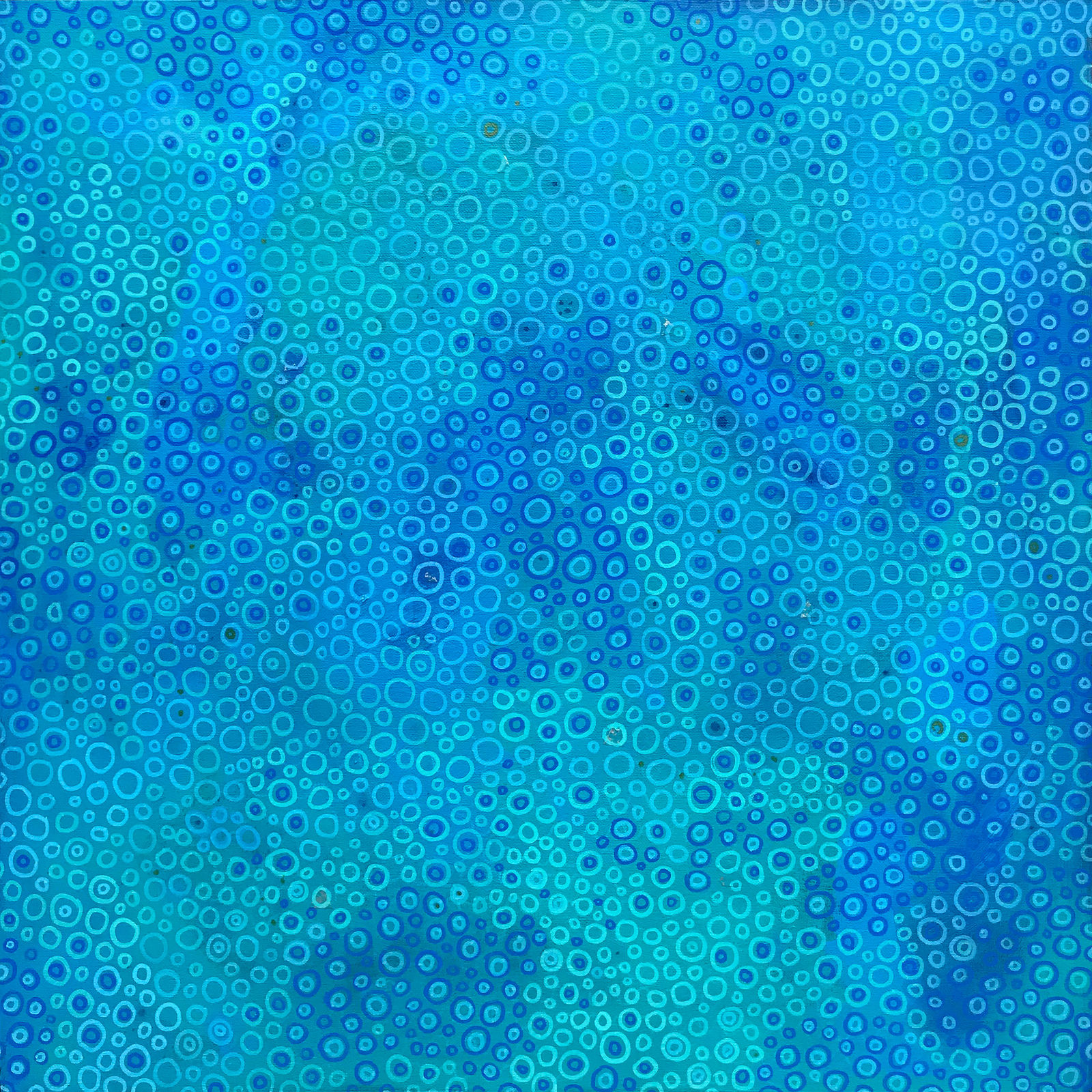
Jennifer Bell is a Brisbane based contemporary artist exploring pattern as a universal visual language. Her work investigates how pattern emerges through movement, growth, time, light, perception and making.
Jennifer Bell is a Brisbane based contemporary artist exploring pattern as a universal visual language. Her work investigates how pattern emerges through movement, growth, time, light, perception and making. Jennifer Bell is a Brisbane based contemporary artist working across painting, mixed media and woven paper. Her practice explores pattern as a universal visual language, drawing on natural structures, movement, repetition and perception. Bell’s experience of Visual Snow Syndrome also informs the way she sees colour, pattern and visual rhythm, contributing to the densely layered surfaces and repeated marks that characterise much of her work.
Available to Bid
Pattern is a universal visual language. It surrounds us in nature, movement, light and the things we make.
What medium do you work with, and why have you chosen them?
I work primarily with acrylic and mixed media, as well as paper through weaving, cutting and stitching. I’m drawn to materials and processes that allow pattern to build gradually through repetition. The physical act of making is important to me, with many works developing one mark, line or woven strip at a time.
How does your artwork get from initial concept to exhibition stage?
A work often begins with an observed pattern or structure, in water, plant growth, movement, light or an everyday object. Rather than reproducing the source literally, I develop colour, scale and a system of repeated marks or forms. The work then evolves through layering and variation until it feels resolved, before being documented and prepared for exhibition.
Can you tell us a little more about your creative working environment/studio?
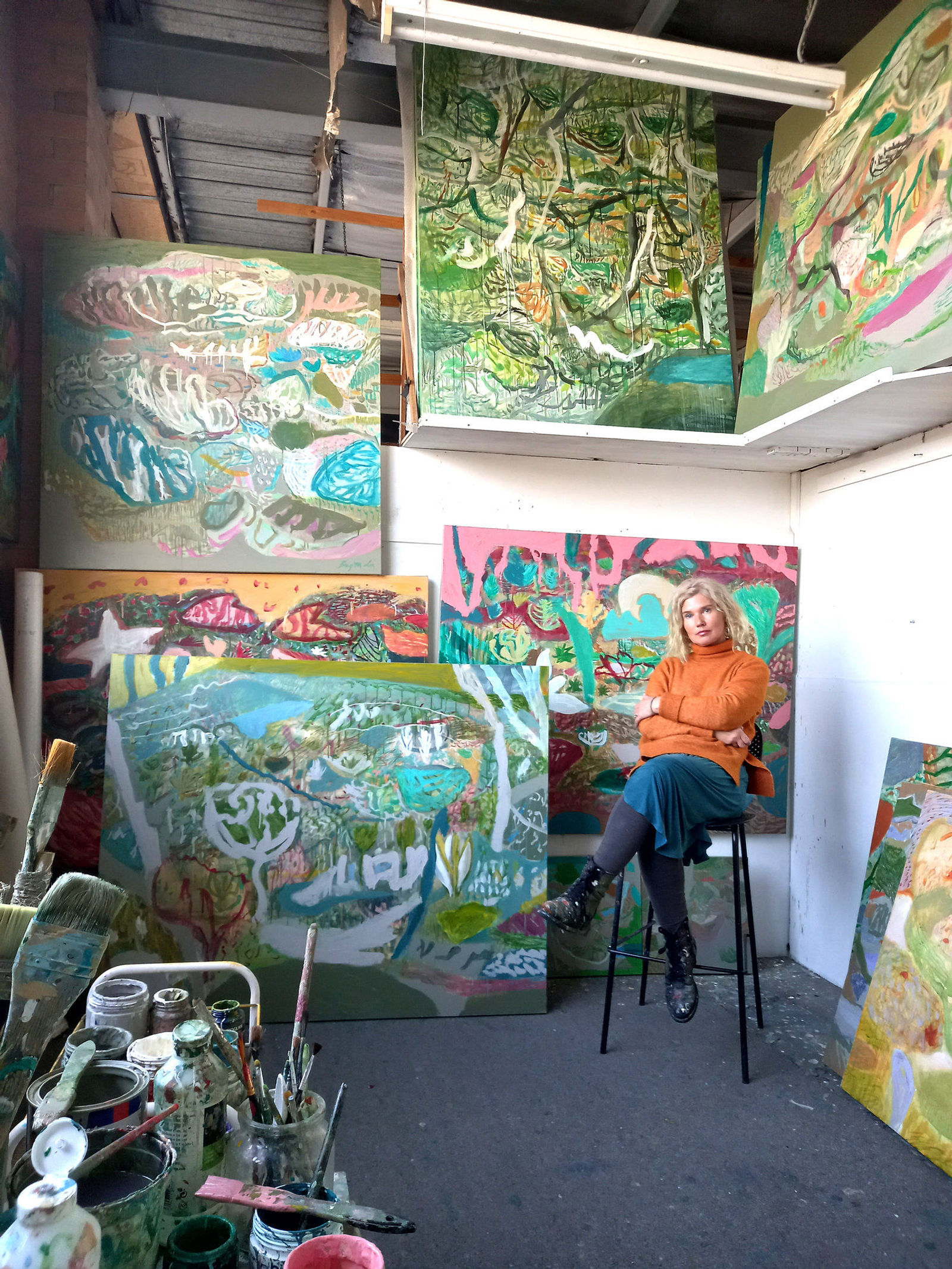
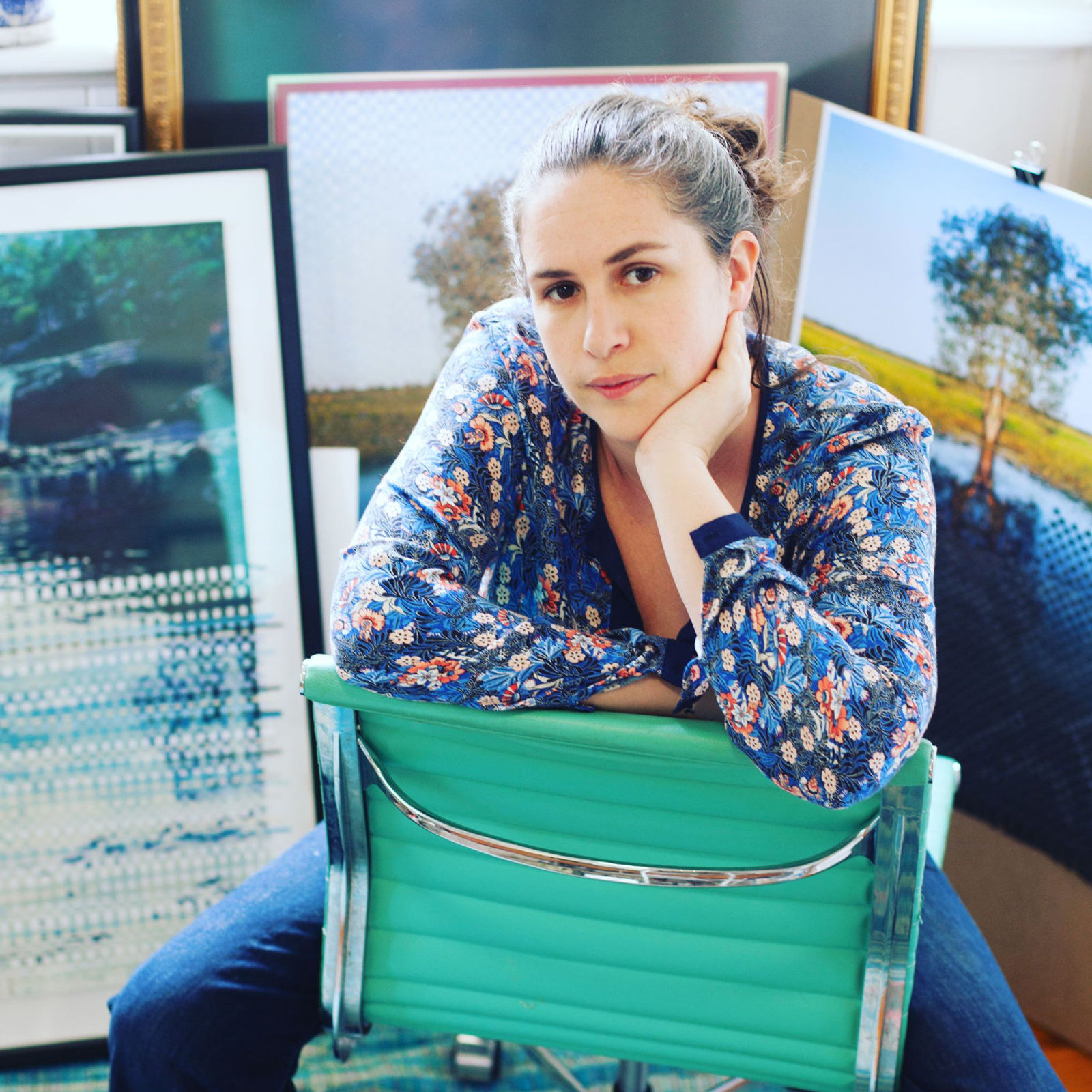
I work from a light filled studio in a traditional Queenslander in Brisbane, with high ceilings, timber floors and plenty of space to have several works underway at once. I move between larger paintings, intricate works and paper based pieces, so the studio is always evolving, with materials, colour studies and works in different stages of development around me.
Tell us a bit about your story and how you came to be an artist
I studied Fine Art at University and have maintained a studio practice for more than 30 years. Alongside making art, I worked in design and illustration, including as an art director, and also ran my own gallery.
Over the years my practice has moved through painting, photography, textiles and paper based work, with fine art remaining the constant thread throughout. Today my work focuses primarily on contemporary abstract painting and paper weaving, exploring pattern, perception, colour and repetition.
How would you describe your creative process?
My process is very organic. I rarely begin with a fixed idea of exactly how a work will look; instead I allow it to grow gradually through repetition, layering and small decisions made along the way. There is a meditative quality to that slow build, whether I’m painting repeated marks or working with woven and stitched paper.
I’m drawn to processes that unfold over time. Repetition creates structure, but the work is never mechanical. Each mark, stitch or woven element introduces subtle variation, and those accumulated differences are what ultimately shape the finished piece.
What inspires you?
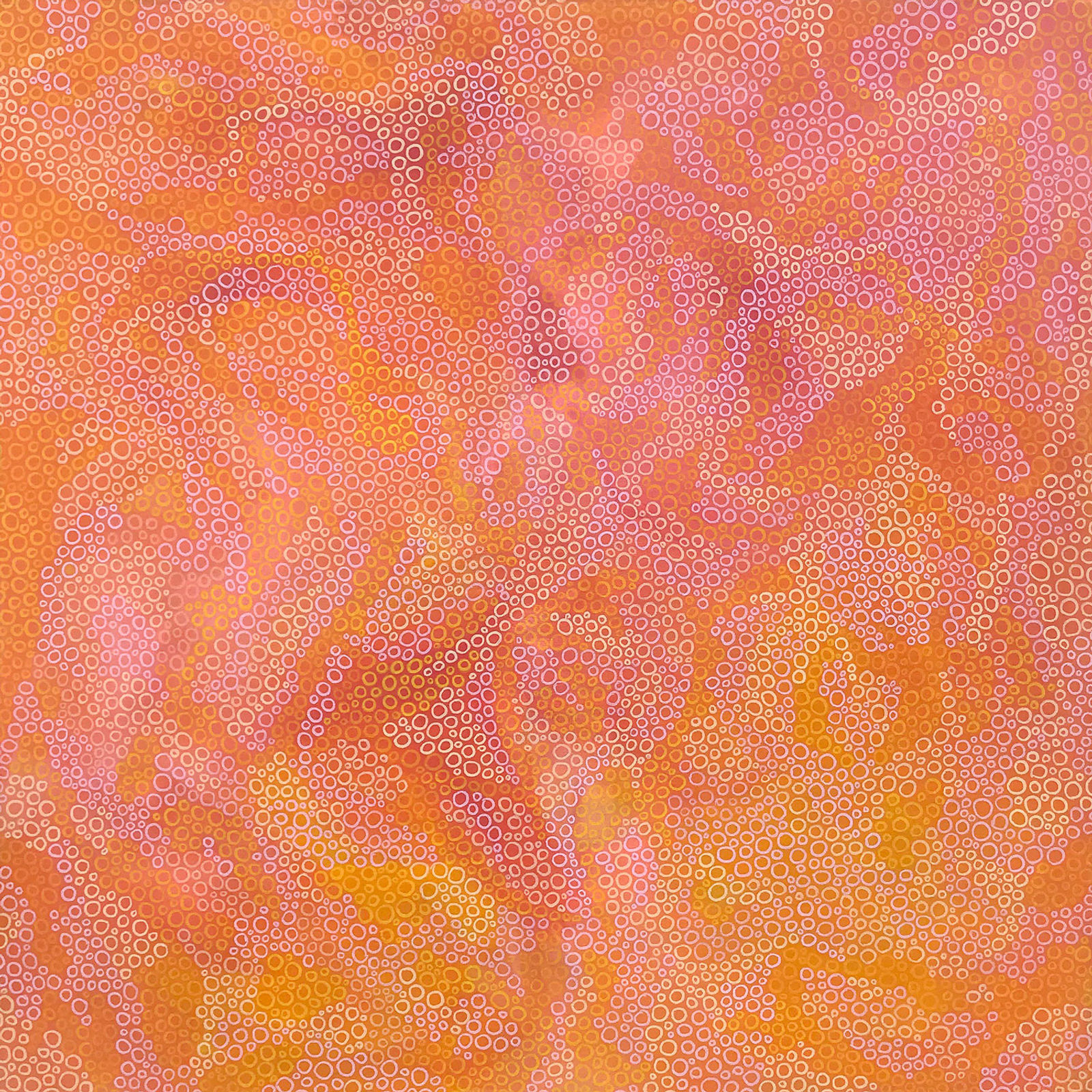
Pattern is the constant thread through my practice. I find it in water, botanical forms, cellular structures, woven objects, shadows, movement and the repeated traces created by time and making. I’m particularly interested in patterns we recognise instinctively without necessarily noticing consciously.
How would you describe your artistic style?
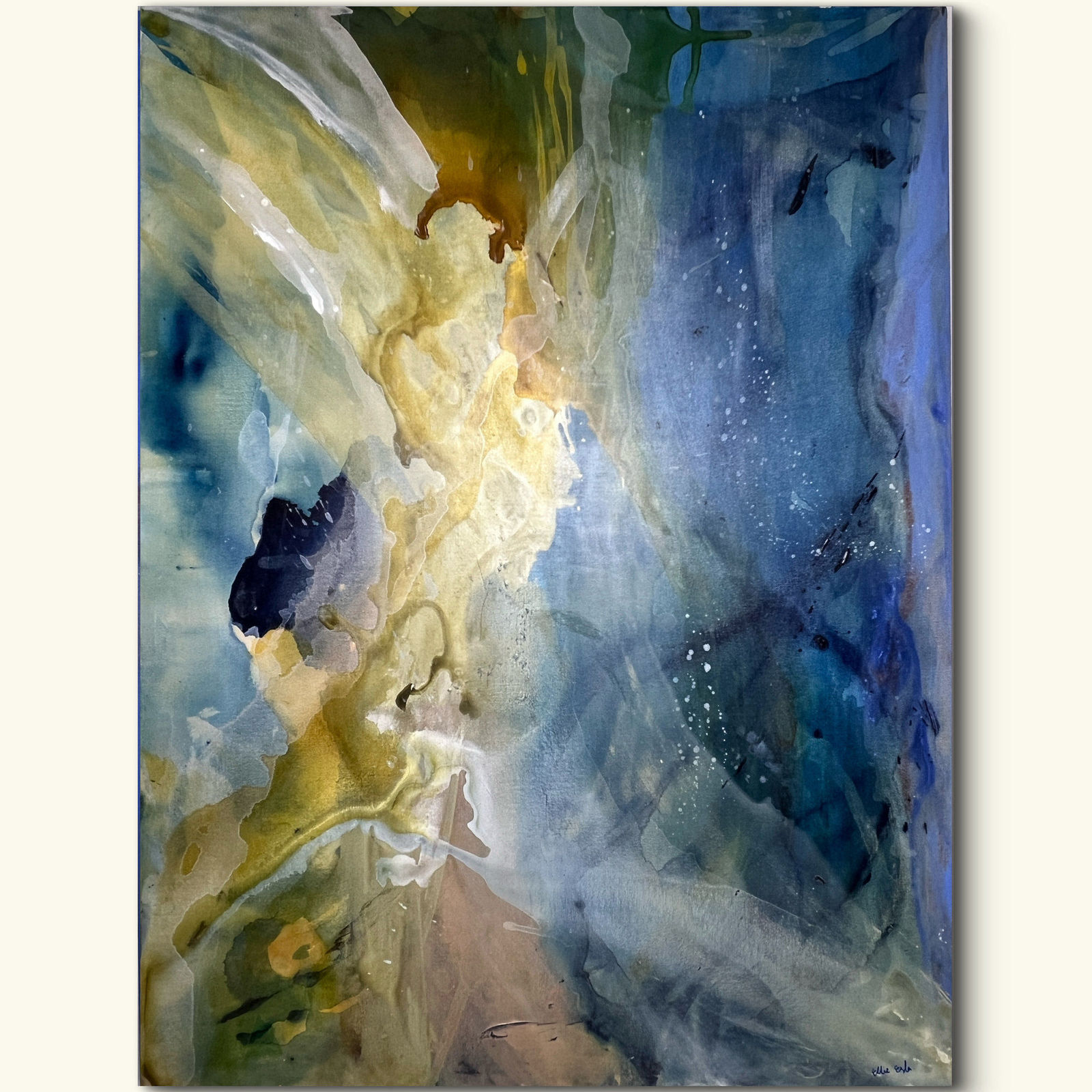
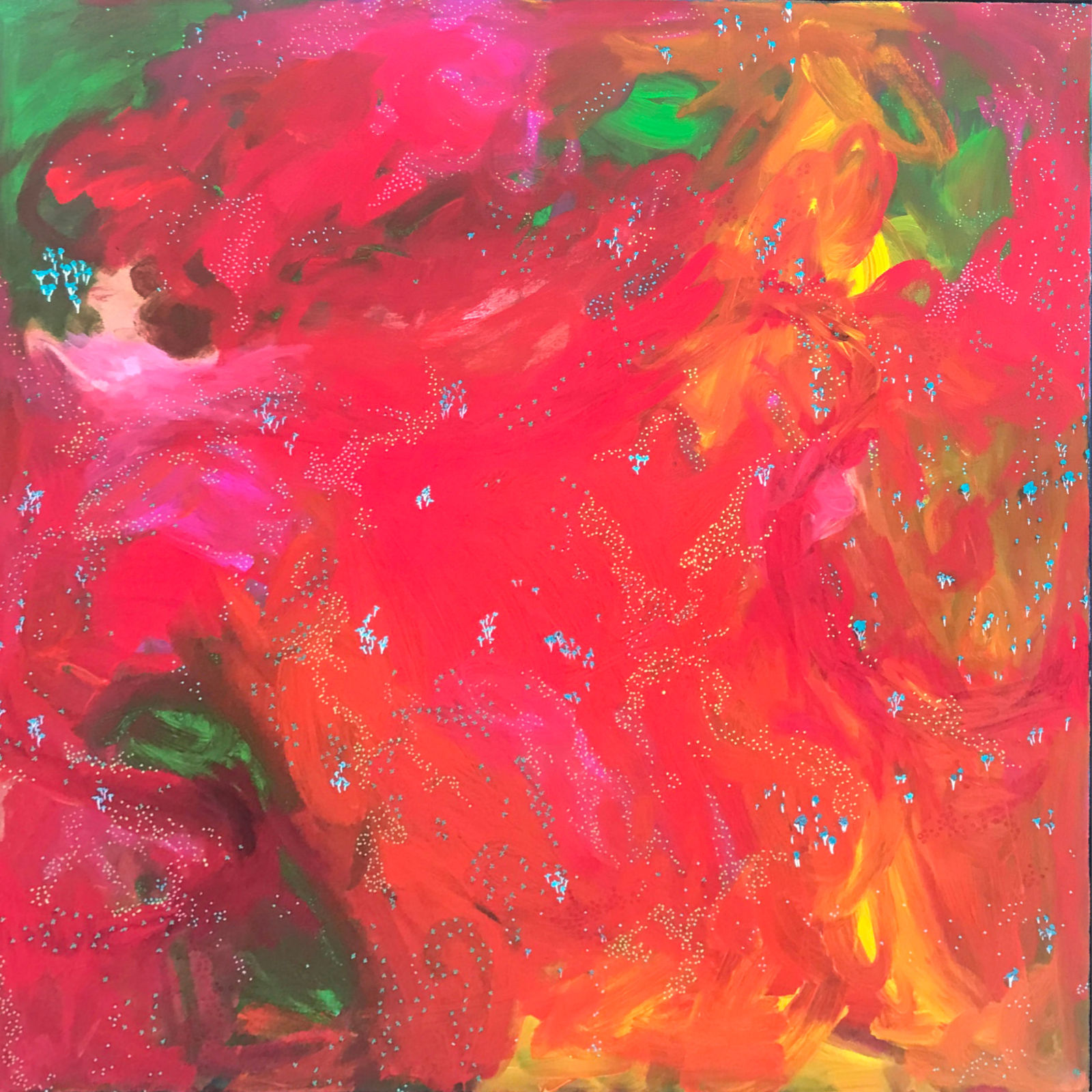
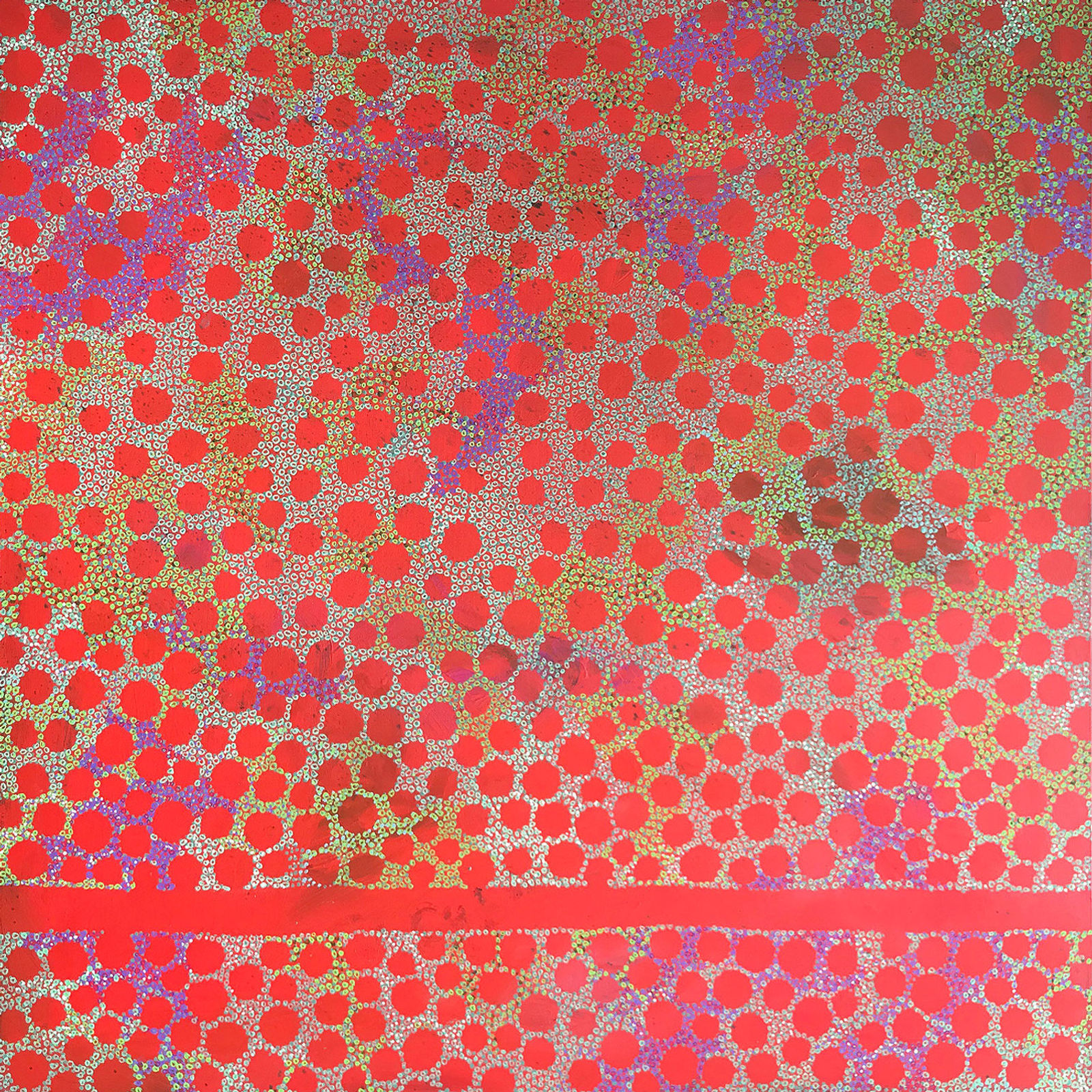
Contemporary abstract, highly detailed and pattern driven. My work often combines bold fields of colour with dense repeated marks, while other pieces are quieter and more restrained. Across both painting and textile based work, repetition and rhythm provide the underlying structure.
What message and emotion do you hope to convey with your work?
I’m interested in creating a sense of something rather than describing it literally. A painting might evoke the feeling of being near the ocean, looking through foliage or experiencing movement and light, without actually depicting a beach, a landscape or a particular place.
I like that ambiguity, when a viewer recognises a mood, memory or sensation in the work and brings their own experience to it. I hope the work creates that kind of connection, while still revealing more through its colour, pattern and detail the longer you spend with it.
Career Highlights
- Work held in private and corporate collections in more than 70 countries, including major commercial art commissions for hospitality and interior projects.
- Founded and ran my own art gallery.
- More than 30 years of studio practice, with recognition including finalist selections for the SINGULART Awards Painter of the Year and the Global Etsy Design Awards.