Oil Painting
David Campbell
Subjects | Landscape, Still Life, Abstract
The journey begins with the spirit of place and continues with the gathering and assemblage of raw materials to suit each painting. From conception to exhibition David ensures a rhythm is established so each step of the process is aligned.
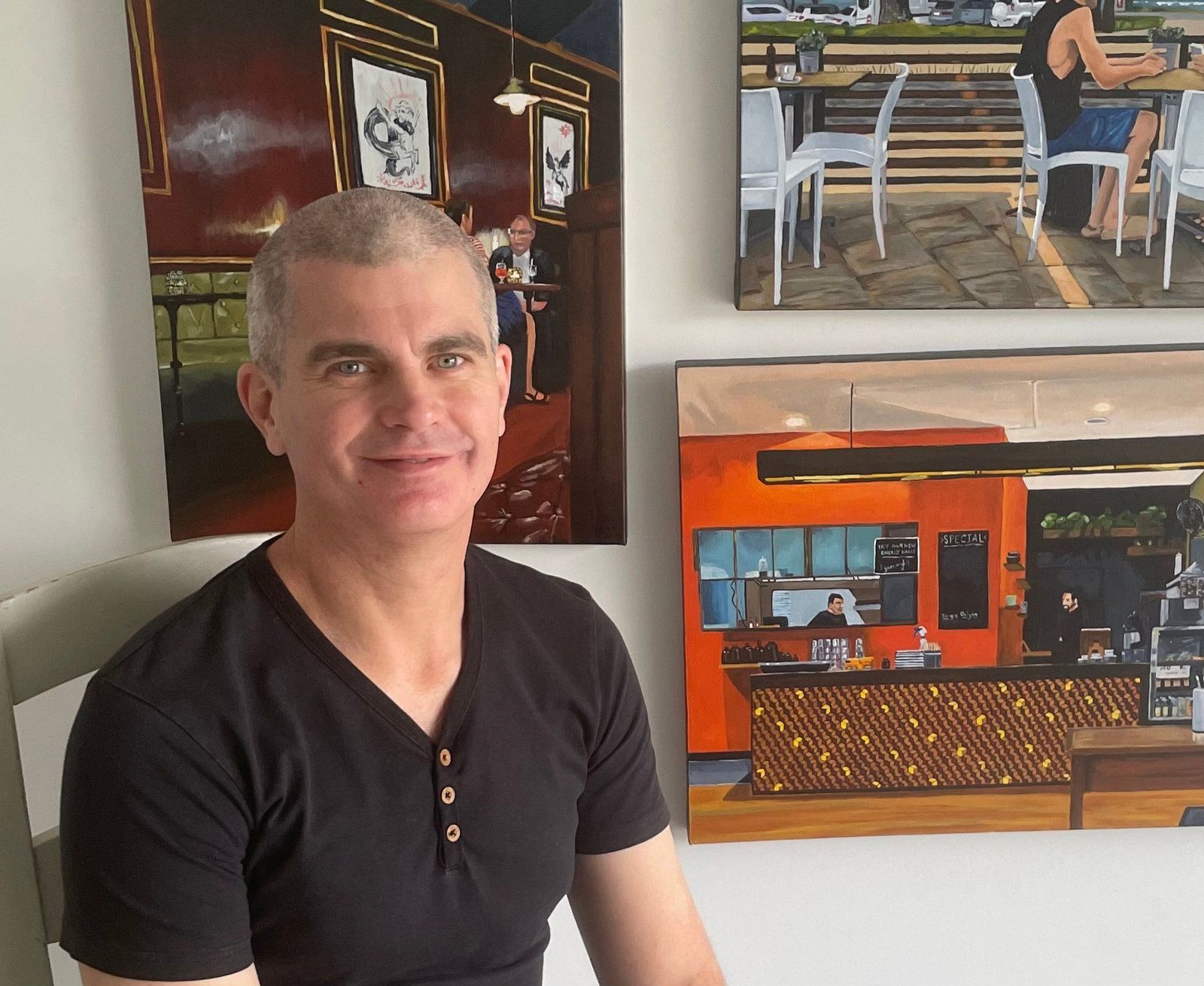
David Campbell is a contemporary visual artist living and working in Bermagui on Djiringanj Country of the Yuin Nation. Bermagui is a beautiful seaside community located on the South East Coast of NSW, Australia. David is a painter of landscape and still life.
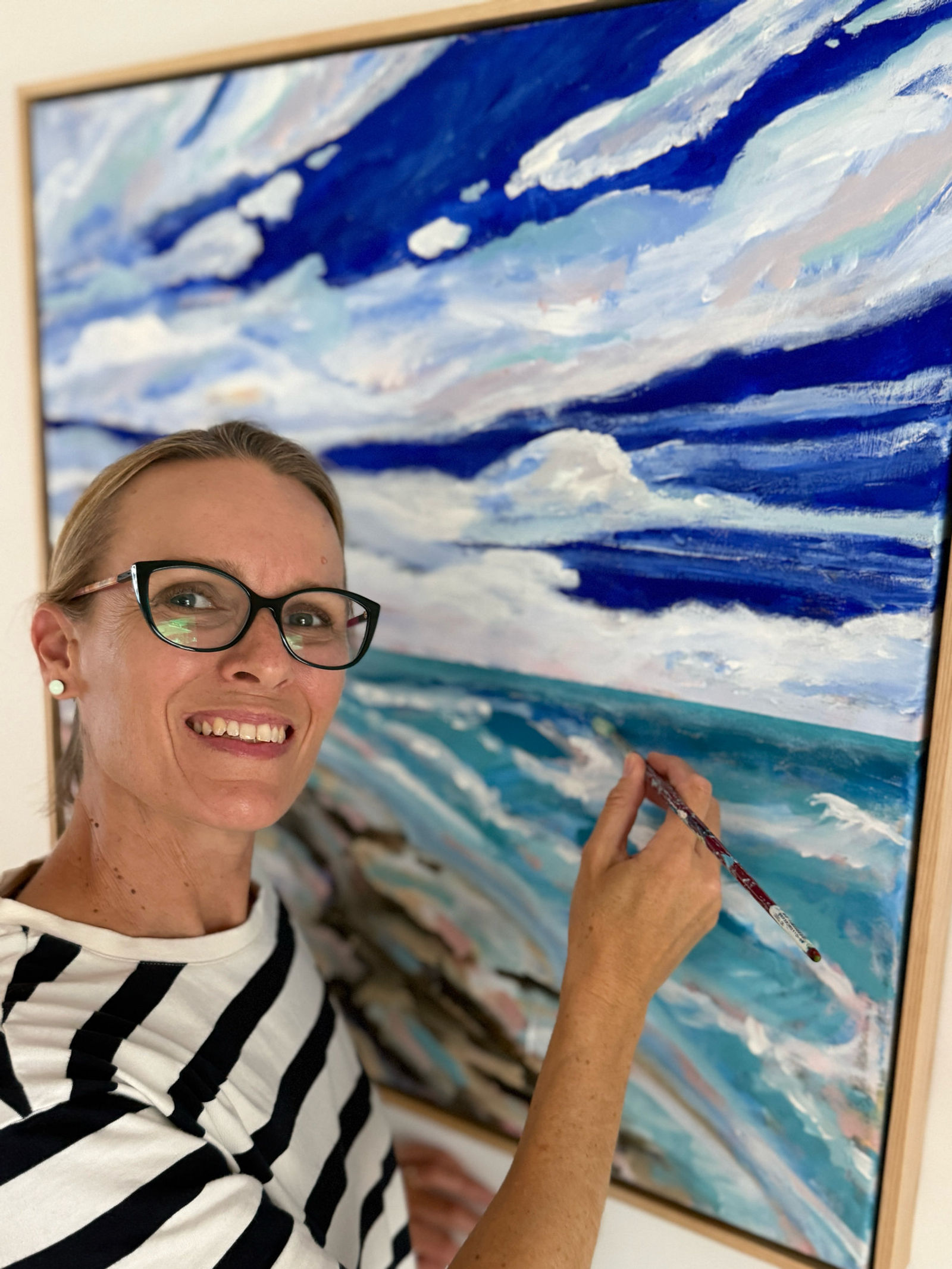
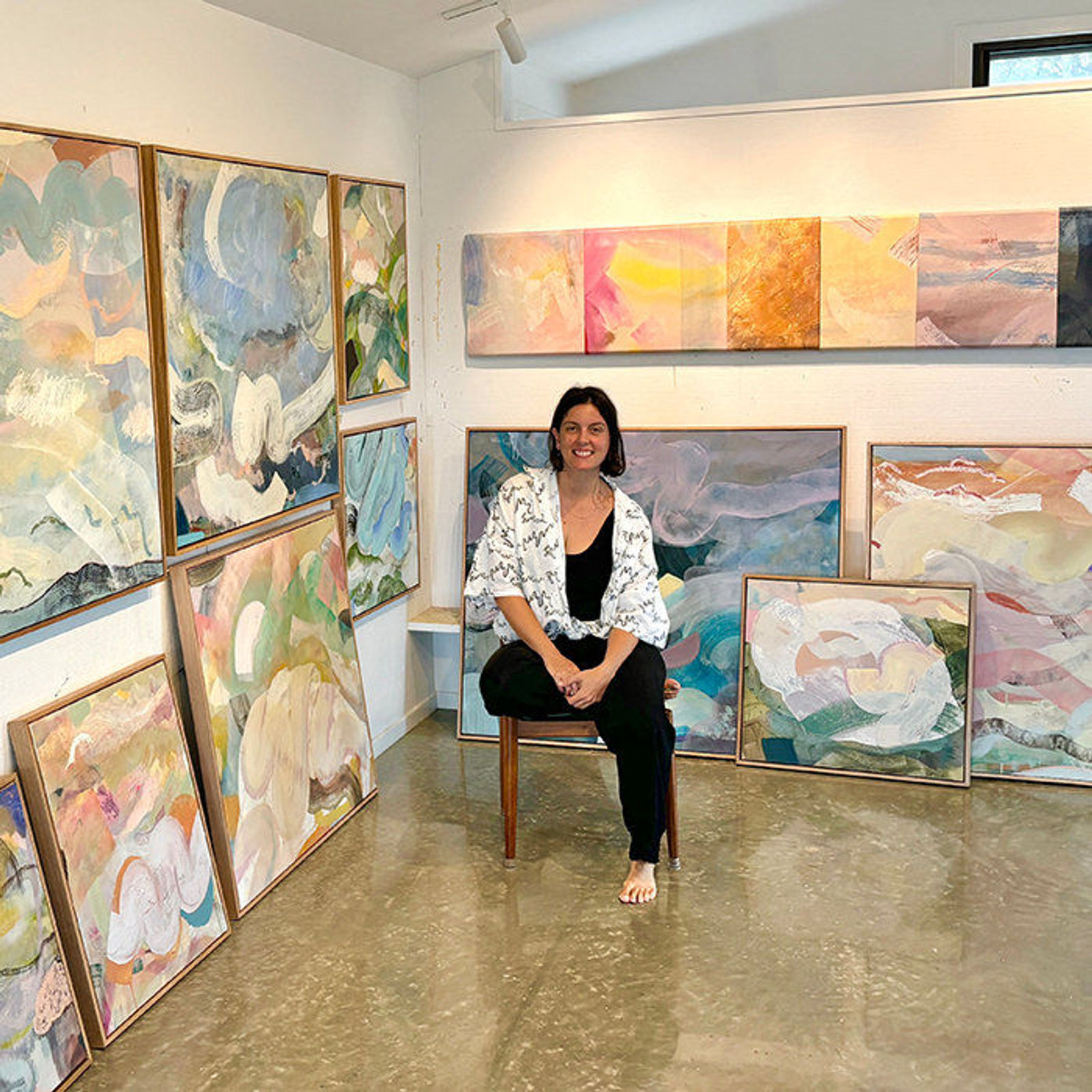
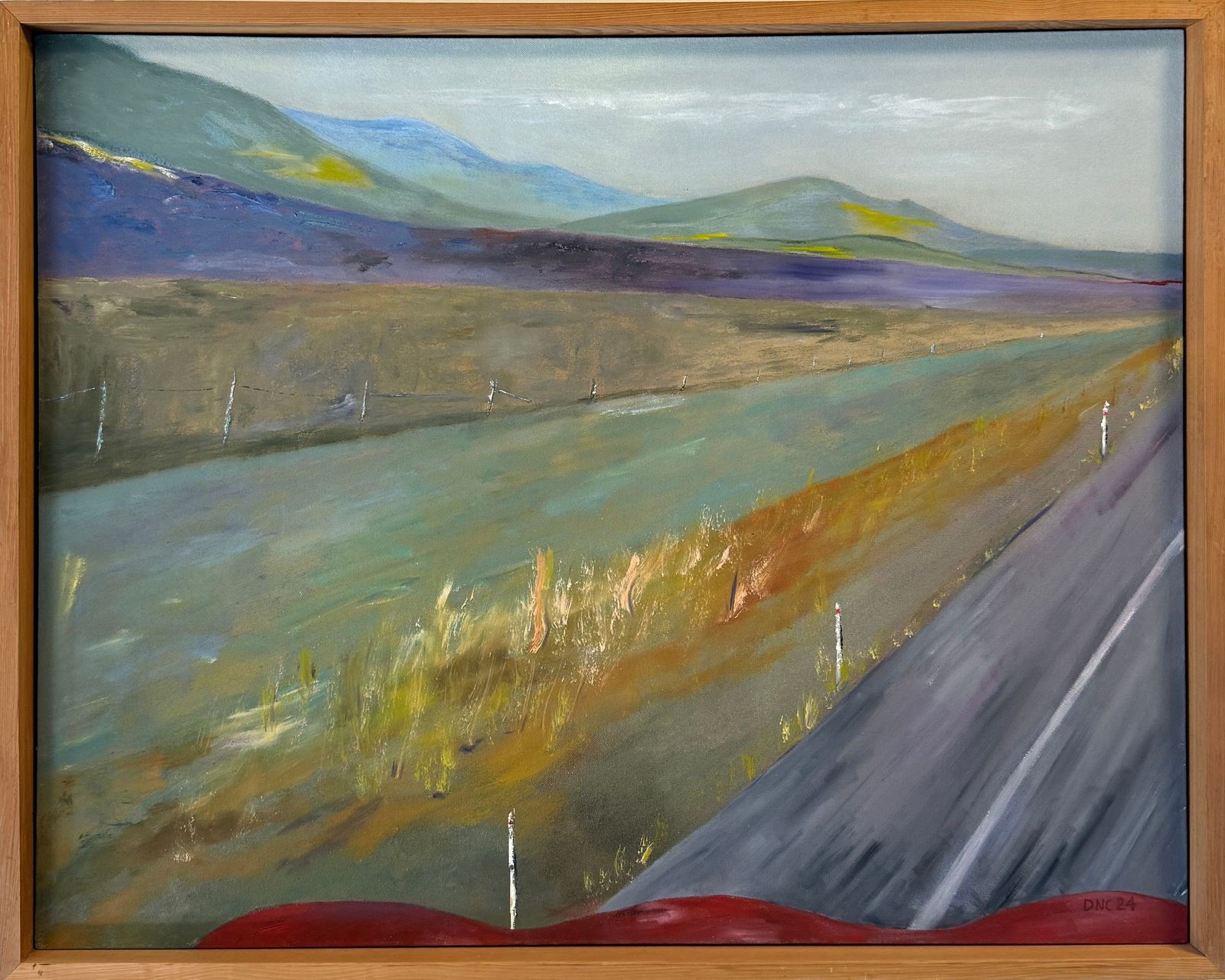
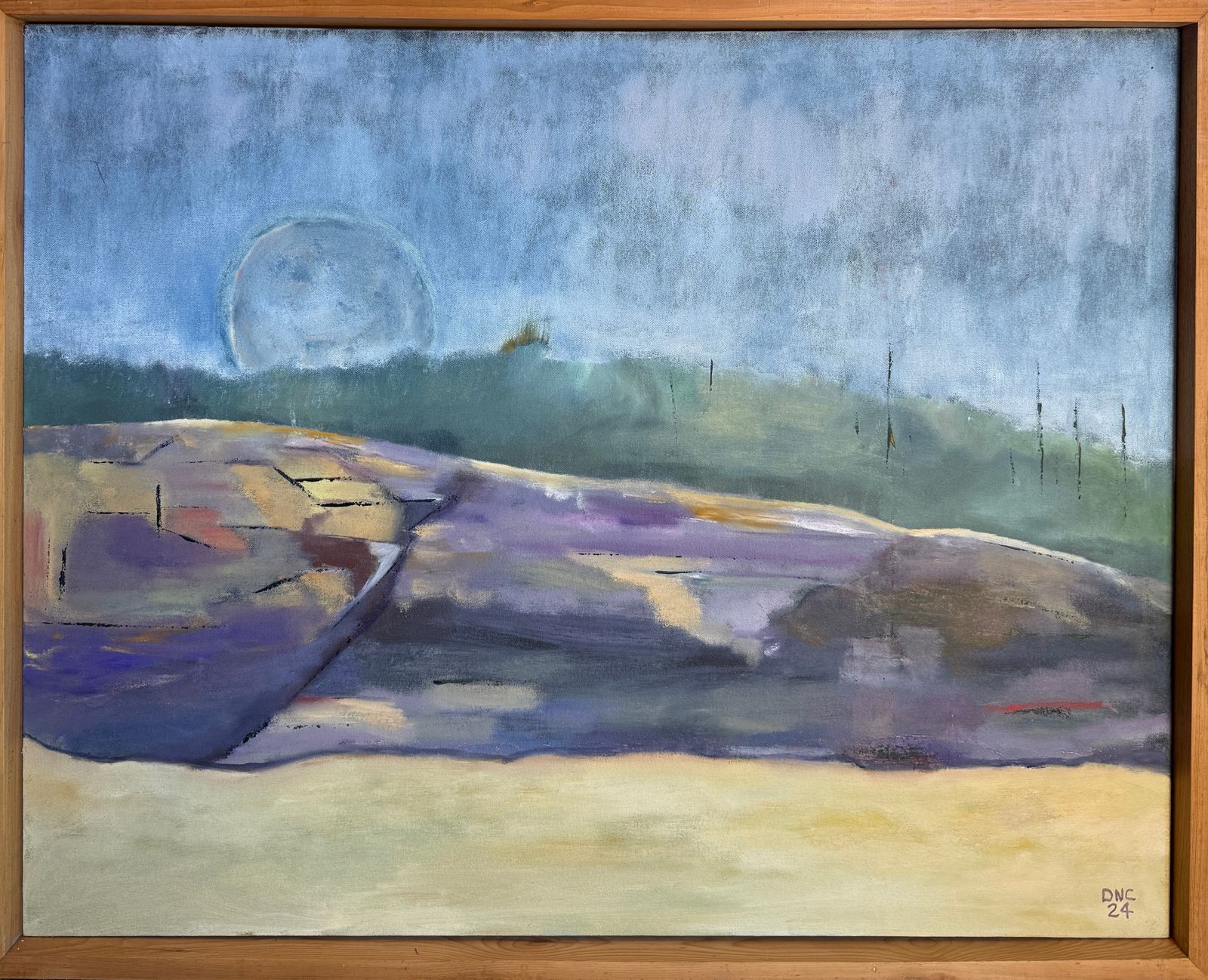
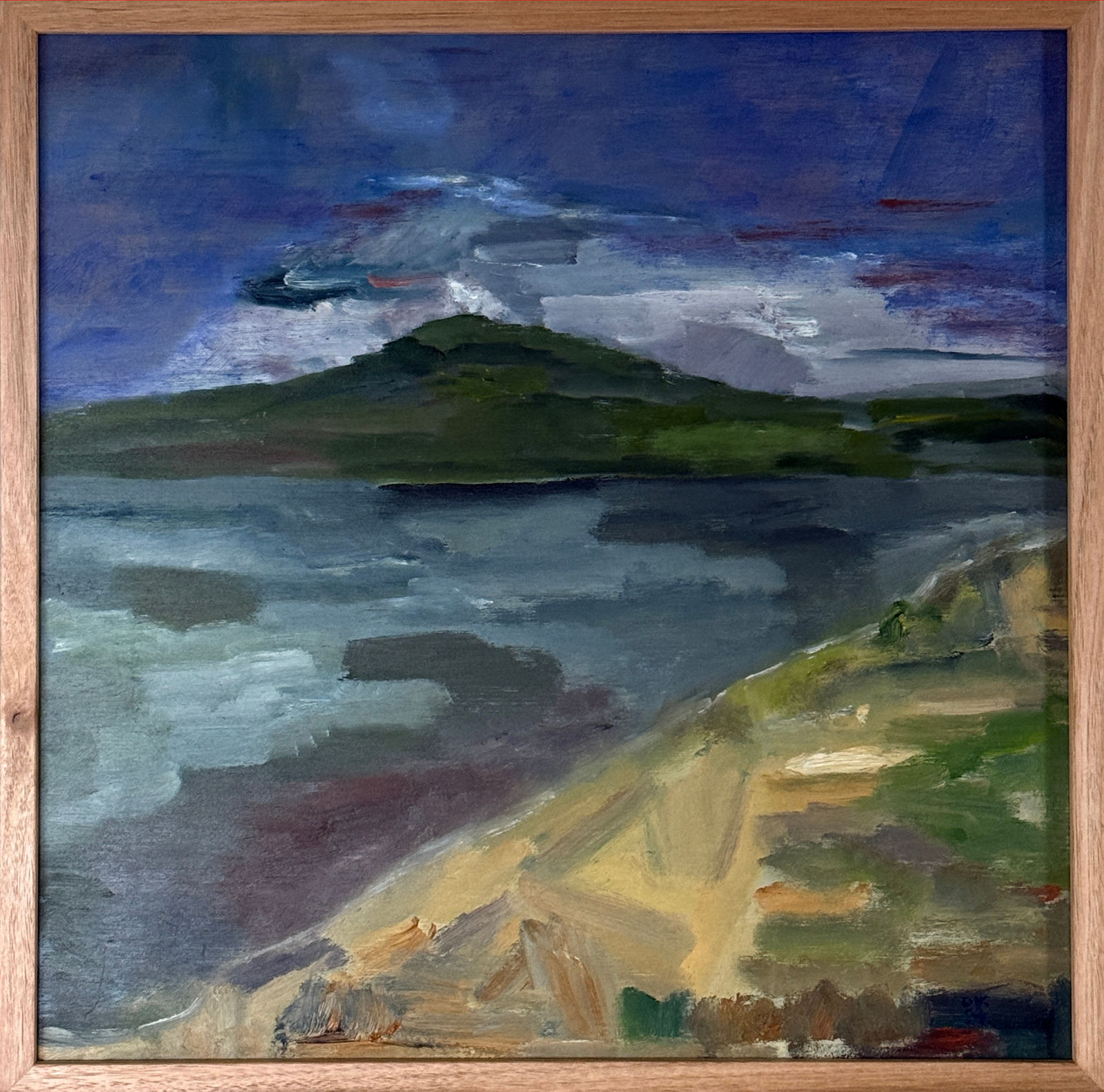
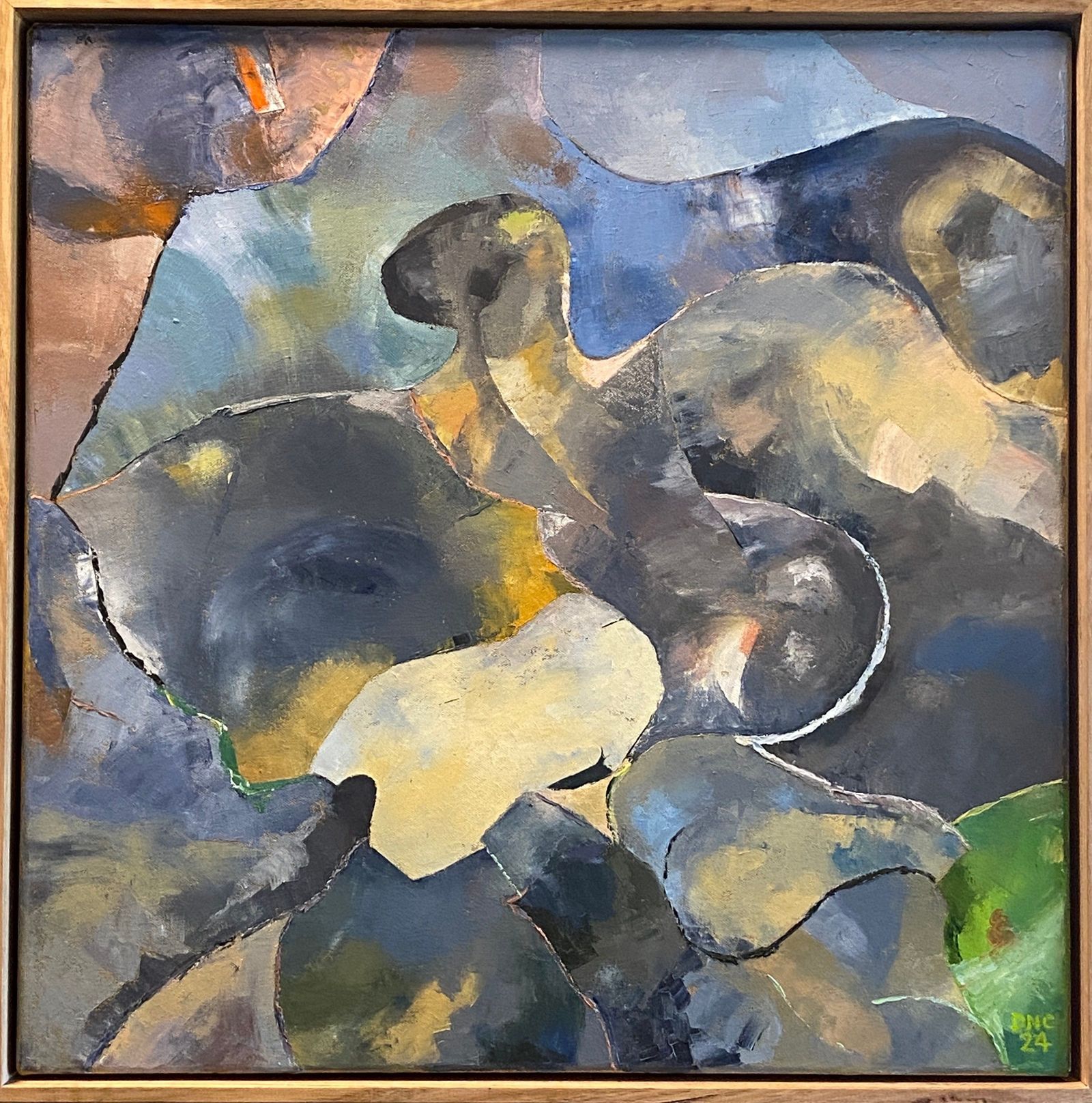
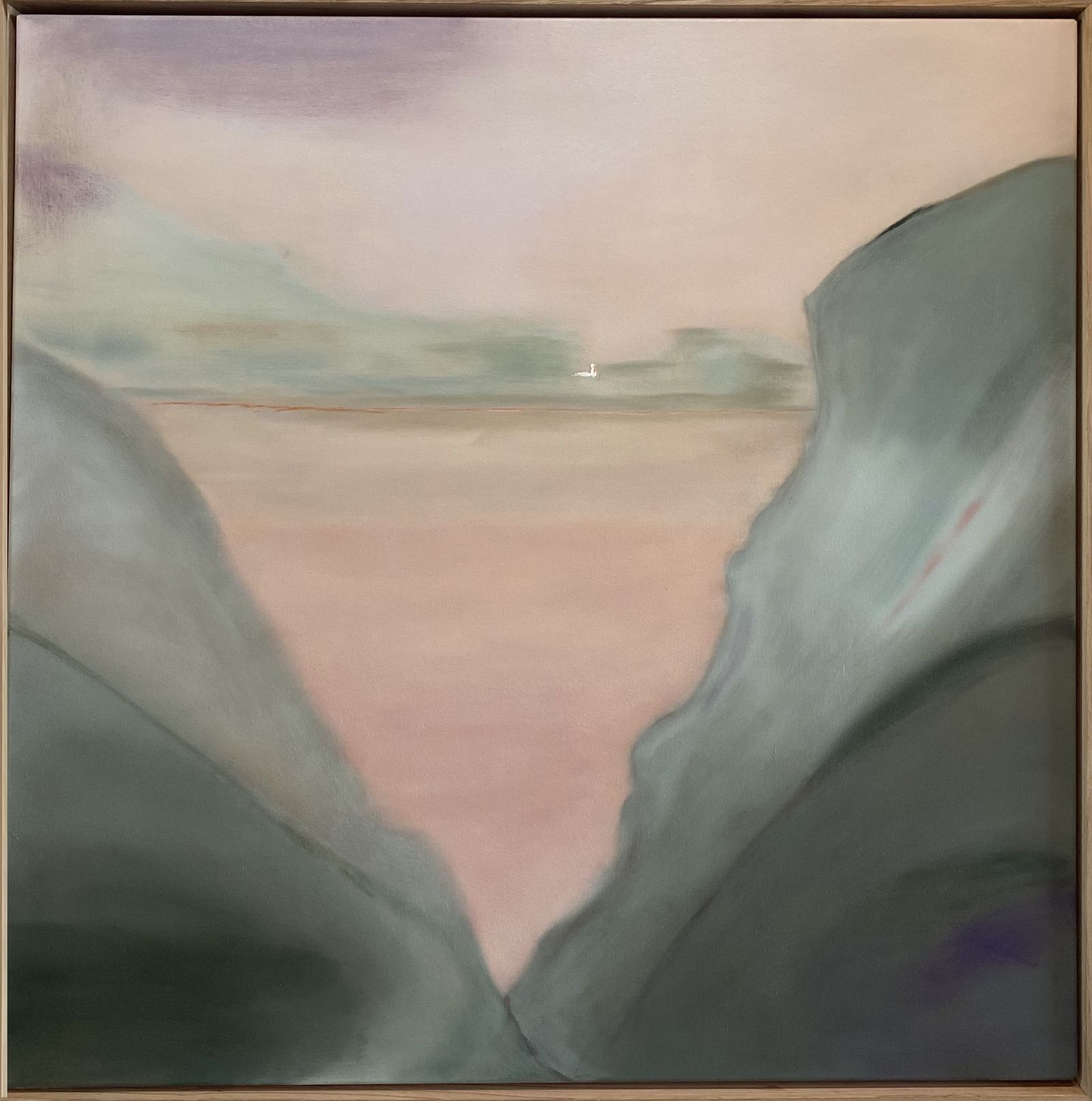
The coastal environment provides endless inspiration for the landscape work. The process explores the notions of pareidolia and ambiguity within the landscape through colour and form.
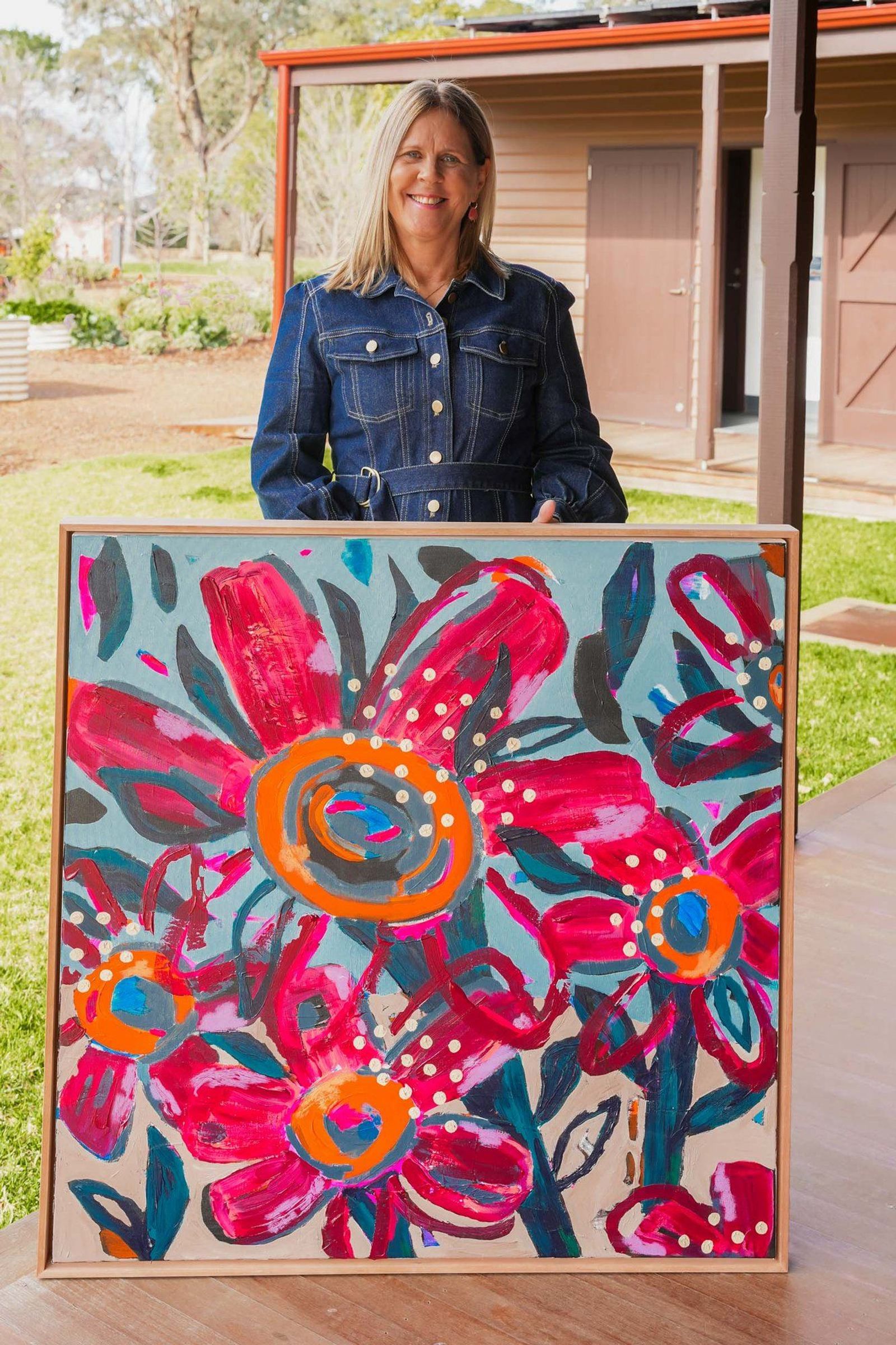
The choice of brush or pallet knife is a deliberate one that allows for the element of chance to influence the direction of the painting. It’s the interaction between the tools, the medium and the surface that allows for life in the subject.
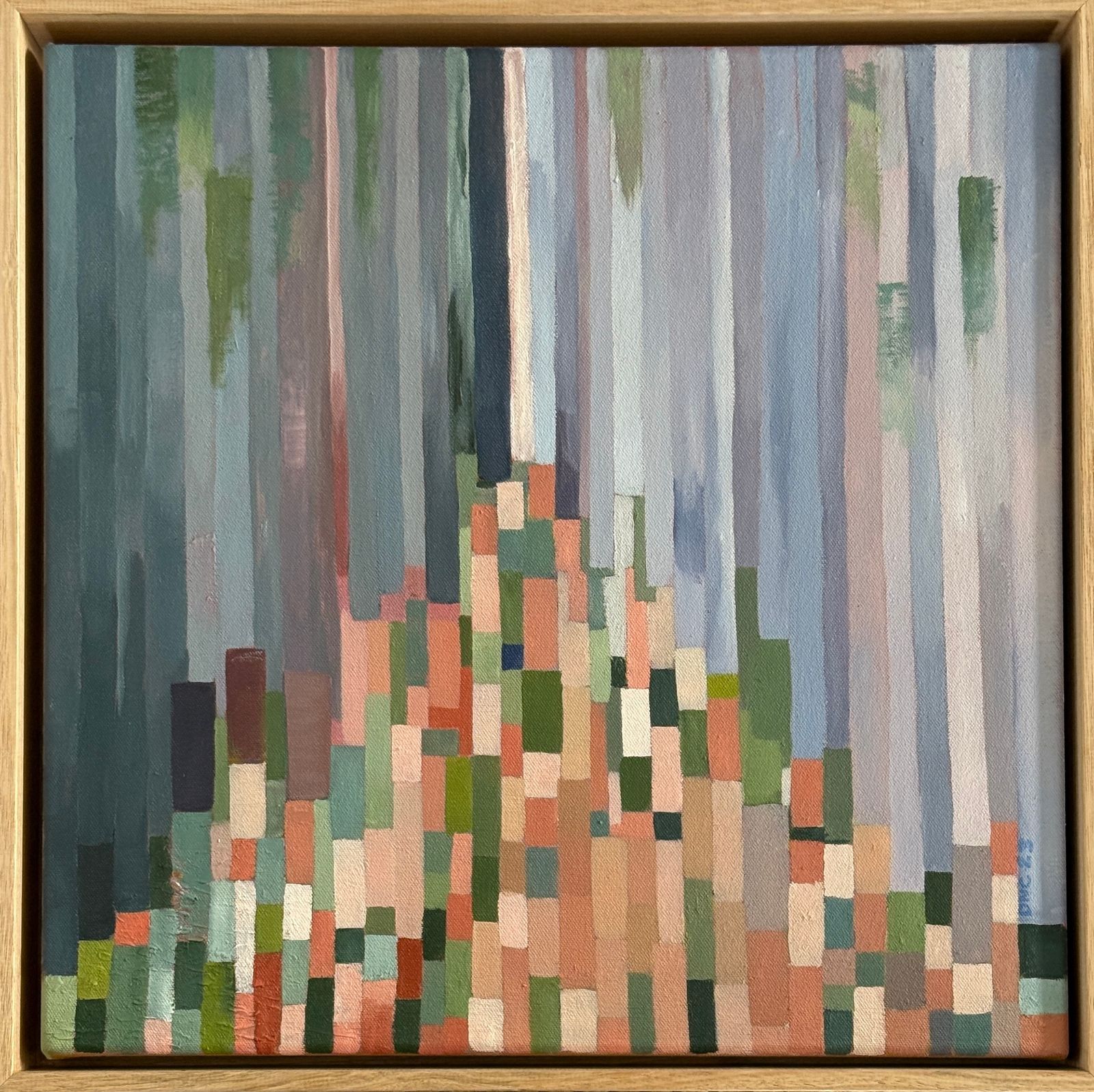
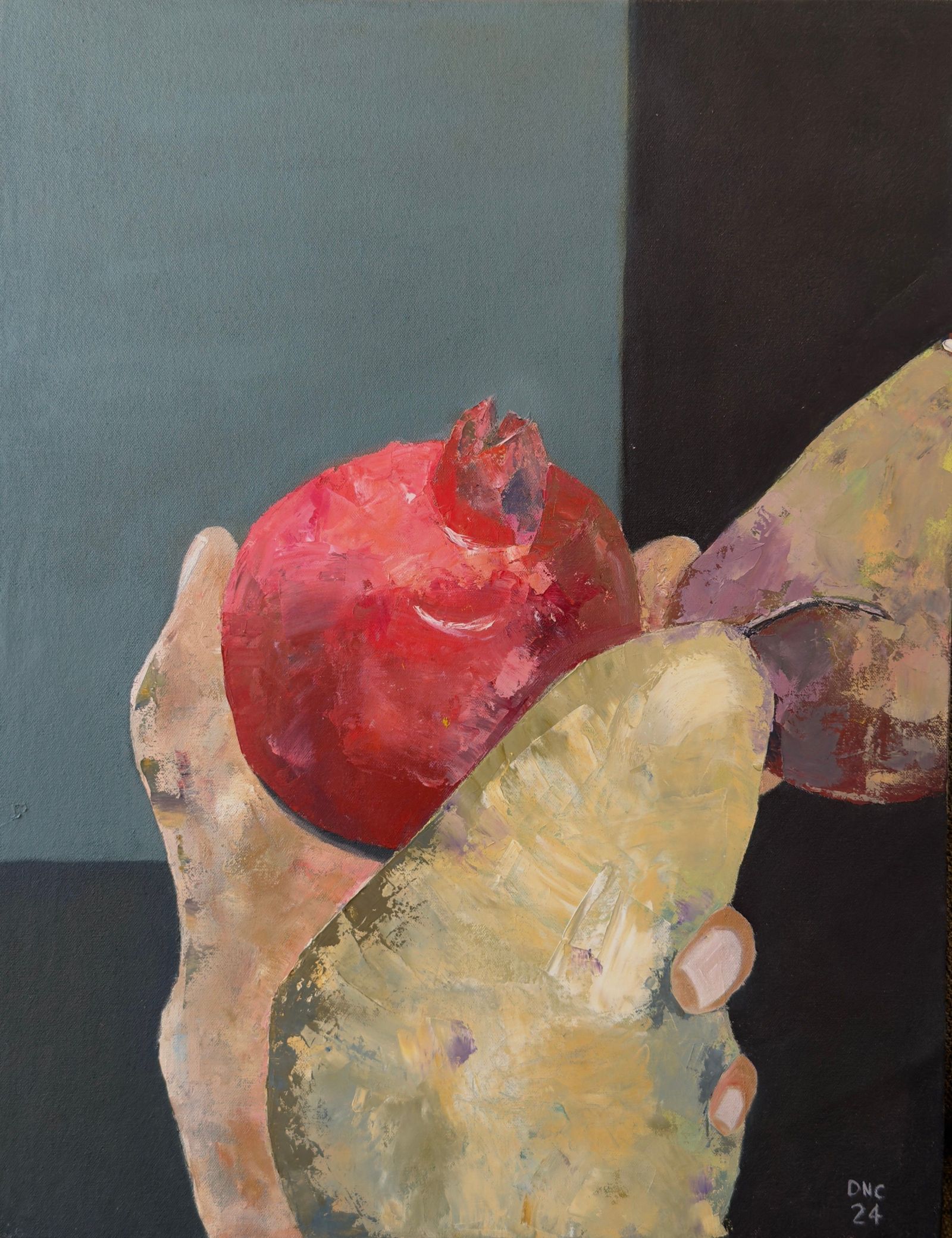
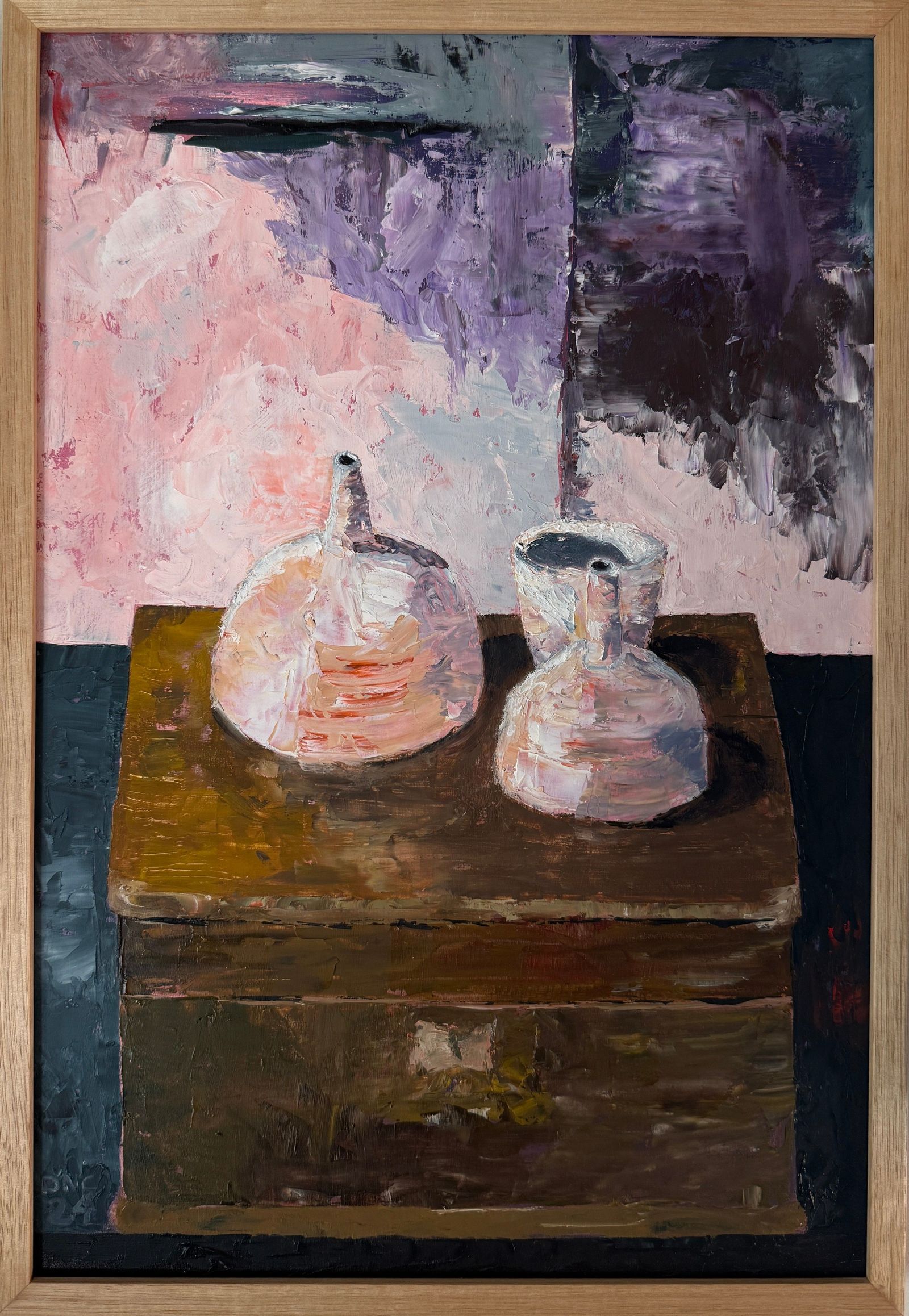
The choice to paint Still Life provides an ideal complement to Landscape painting. Painting Still Life creates an opportunity to explore in a consciously constructed formality of objects in space.
The differences between the two genres are both explicit and nuanced and they provoke and extend creative practice in limitless ways.
Available to Bid
Integrity, ambition and persistence keeps me rolling on.
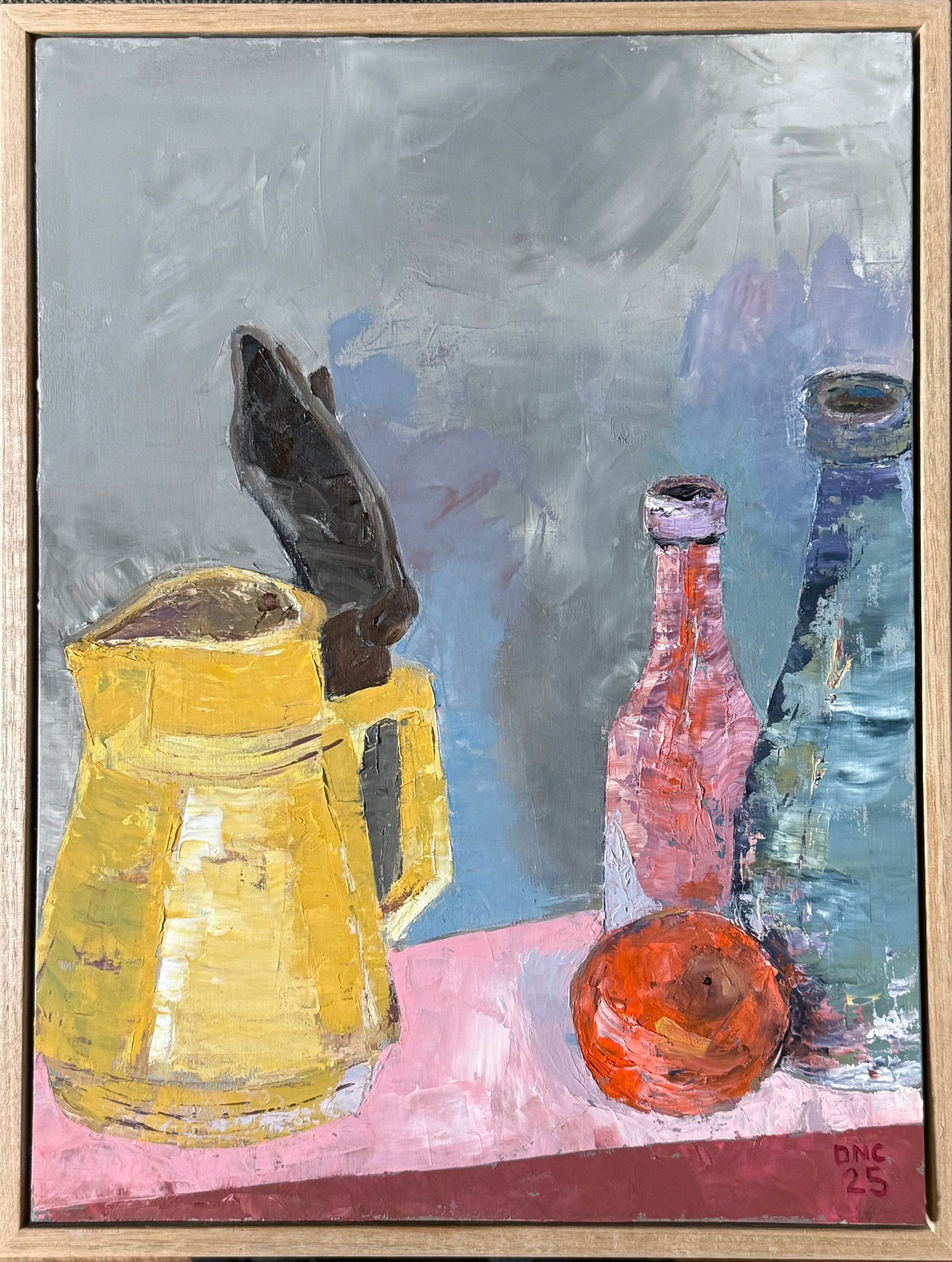

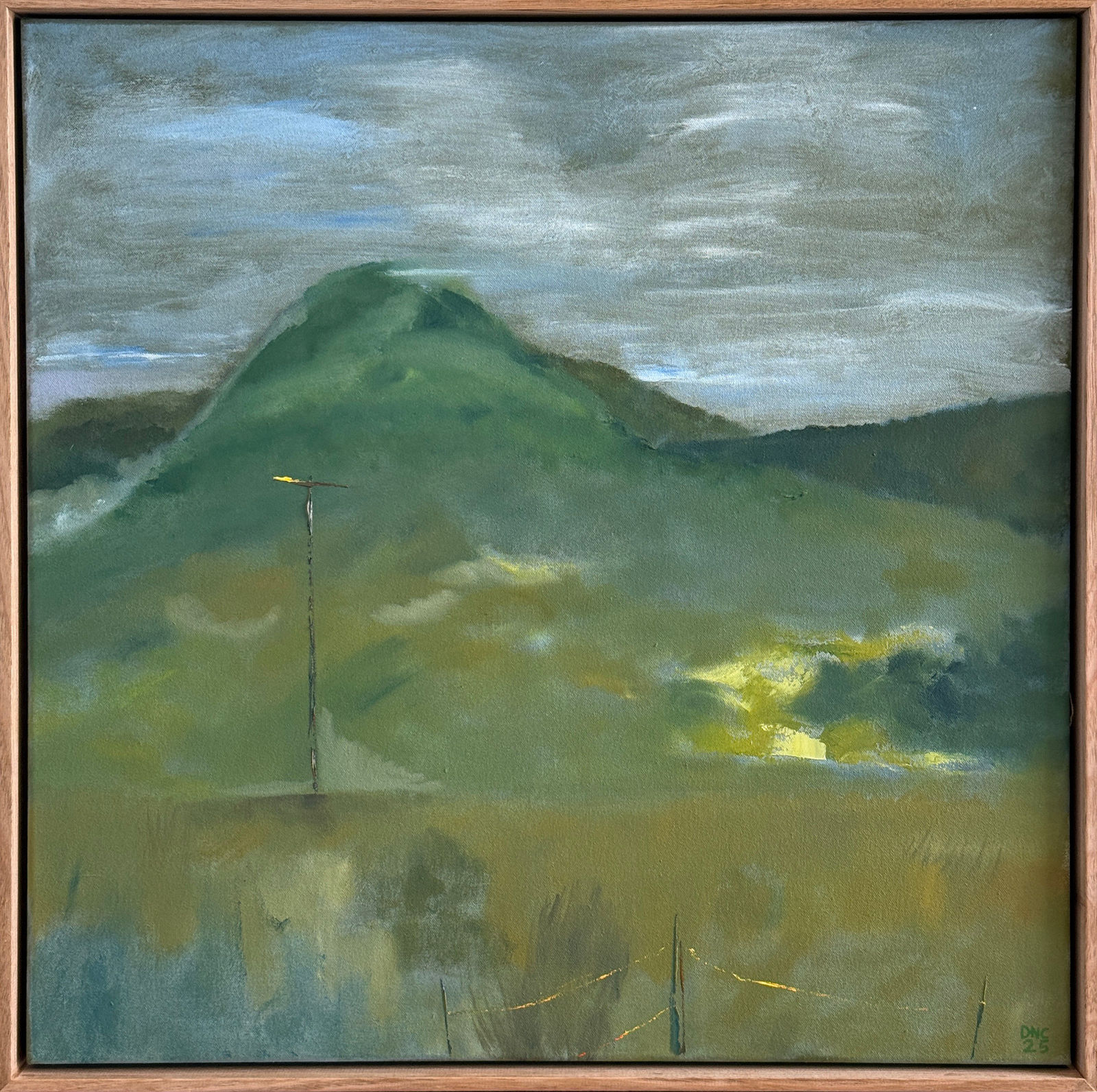
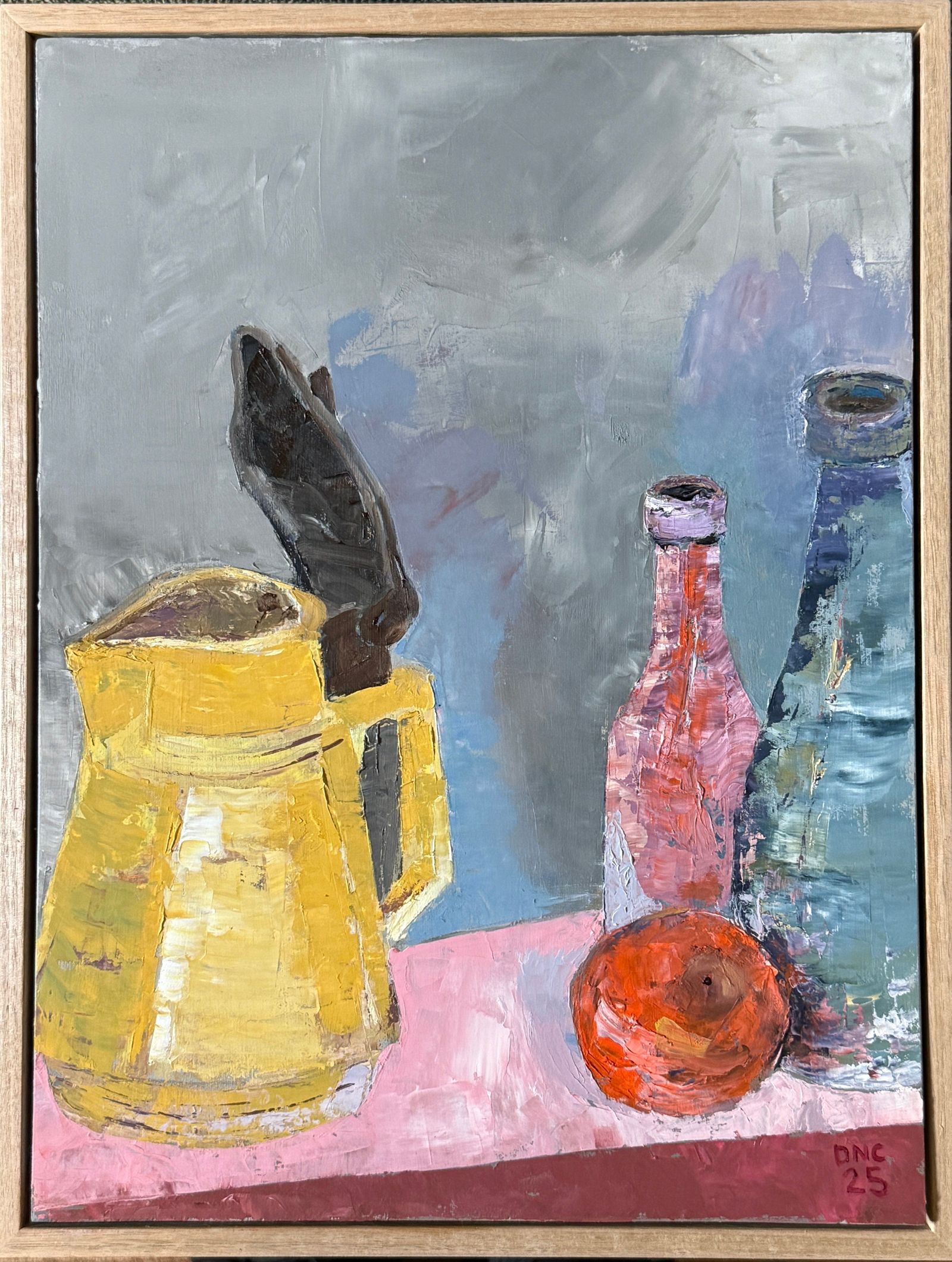
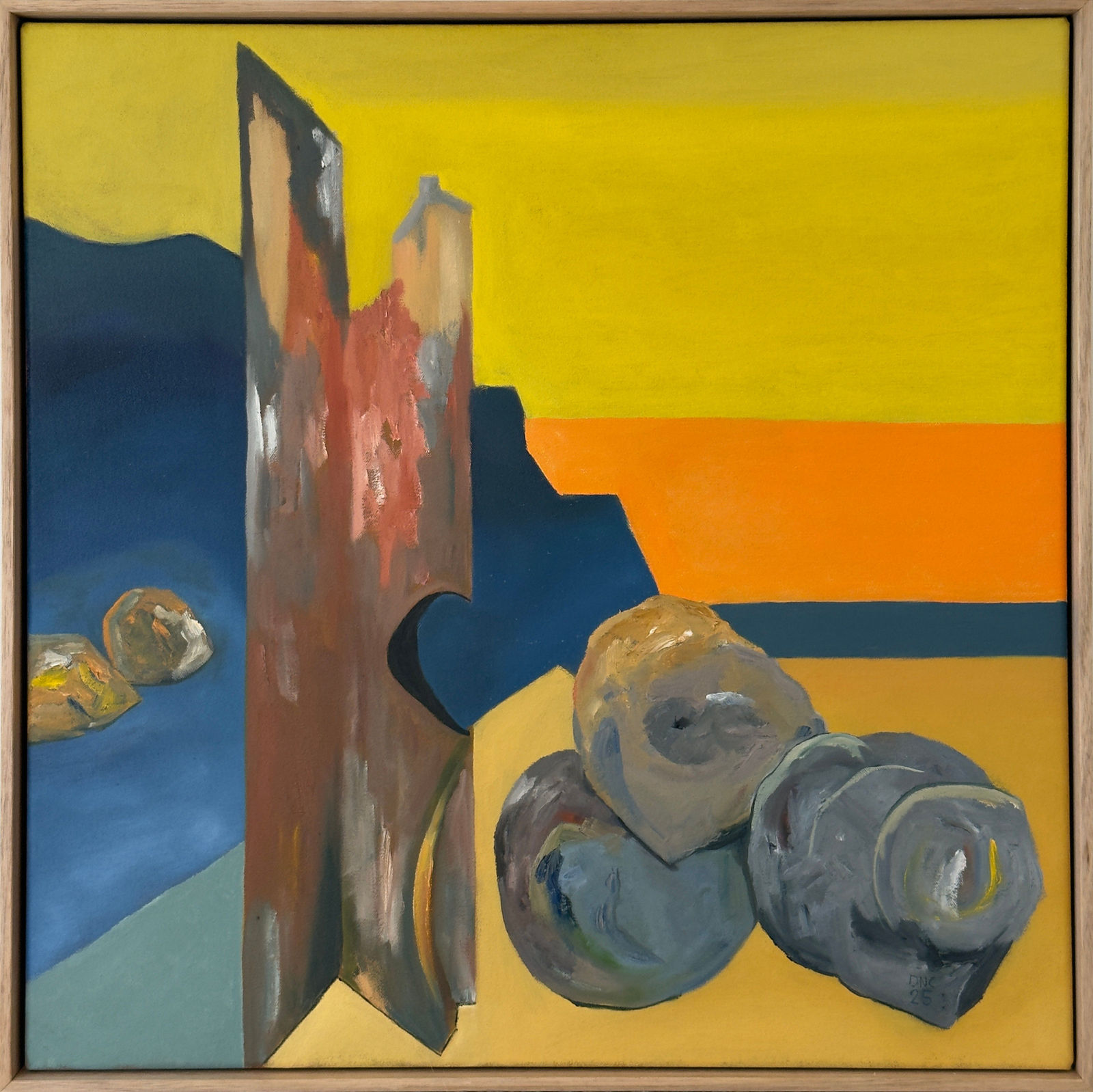
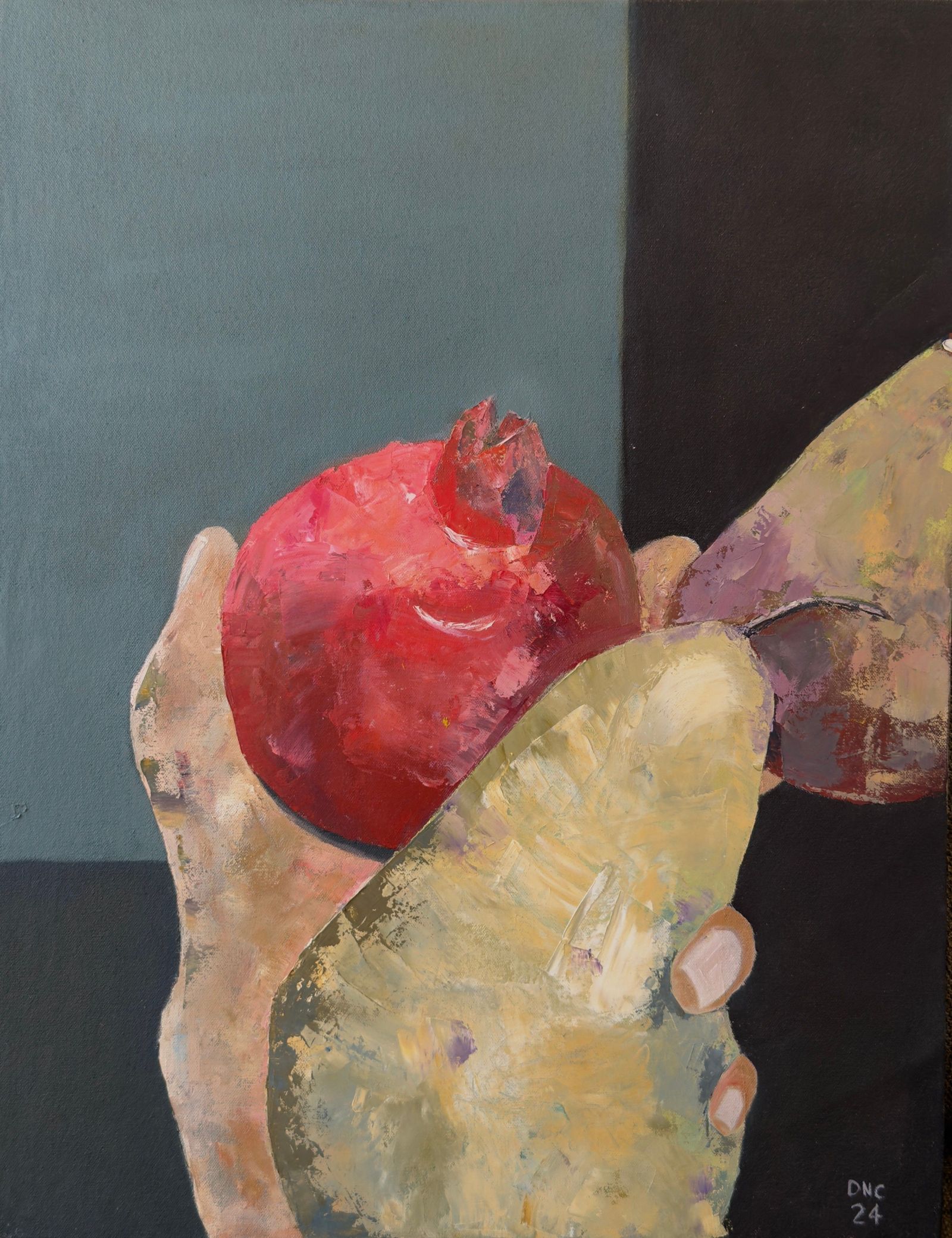
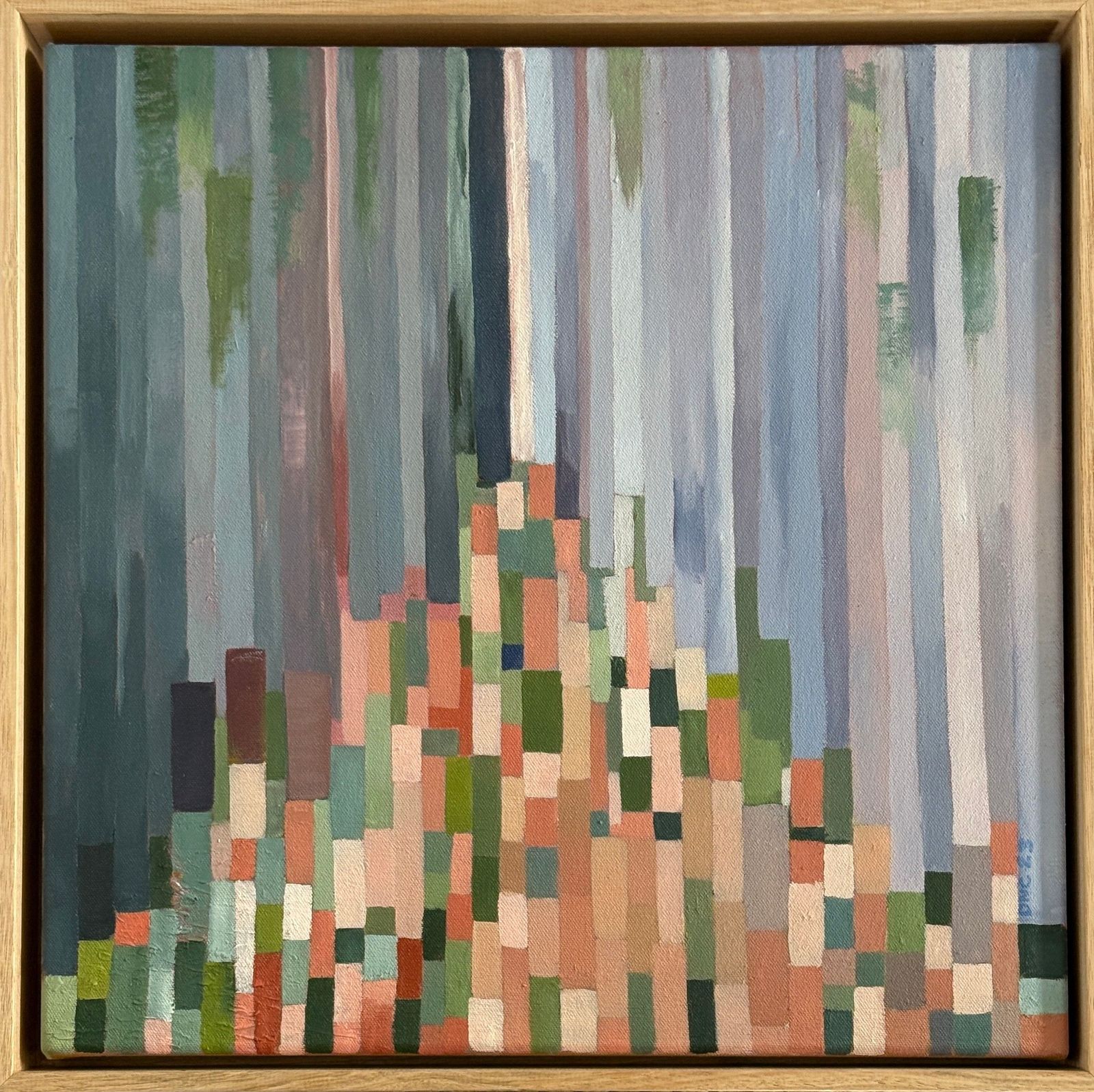
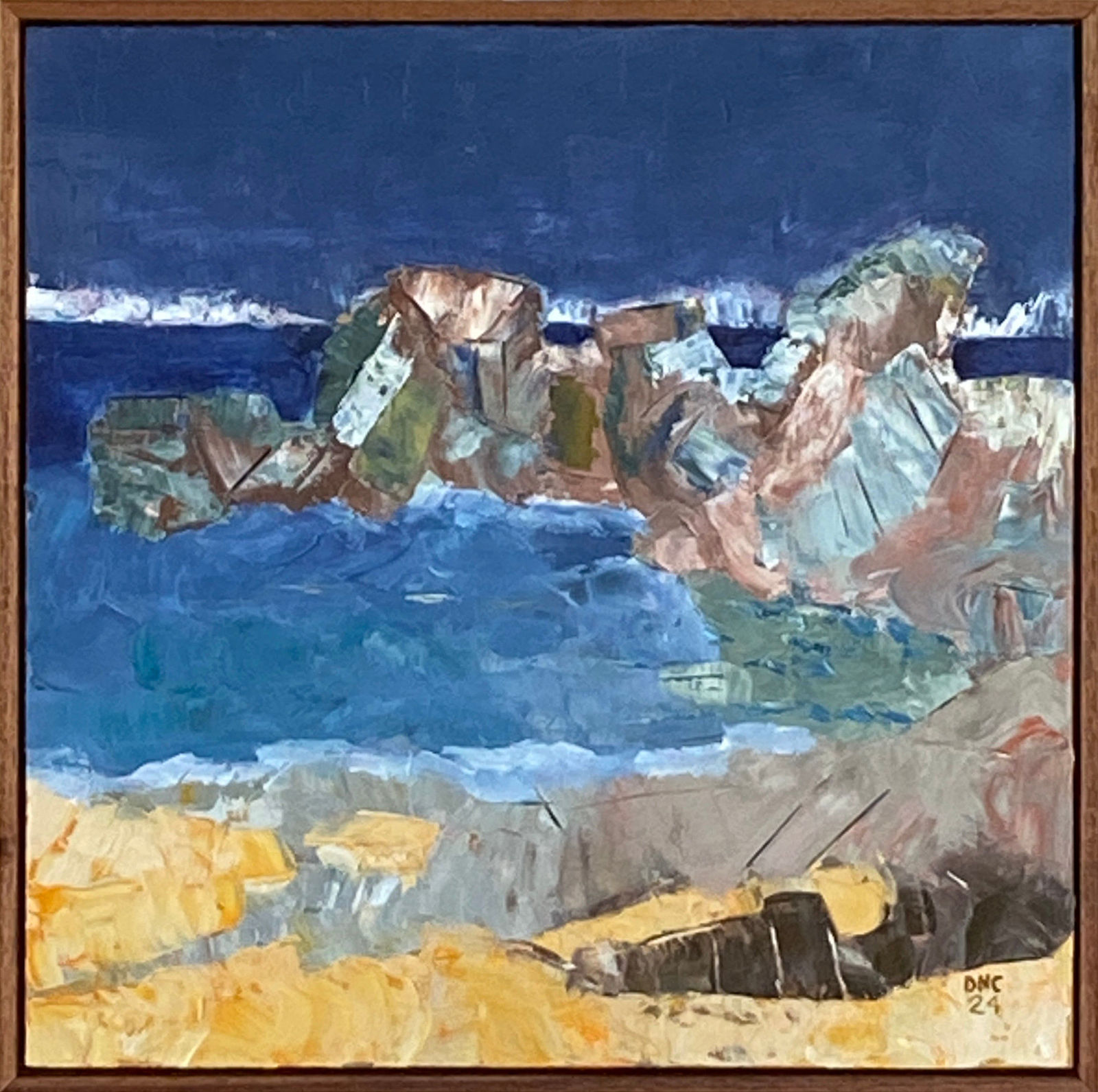

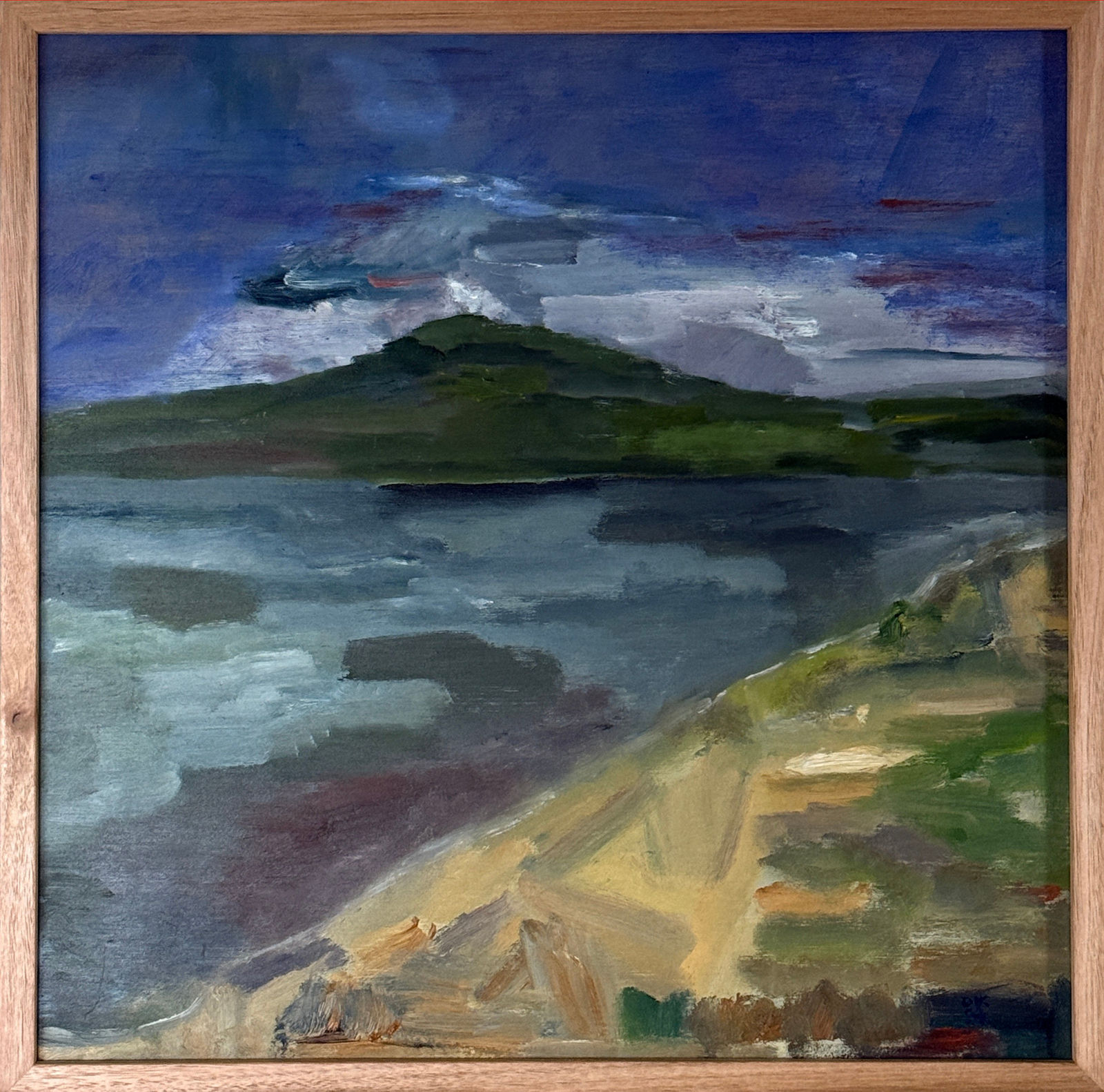
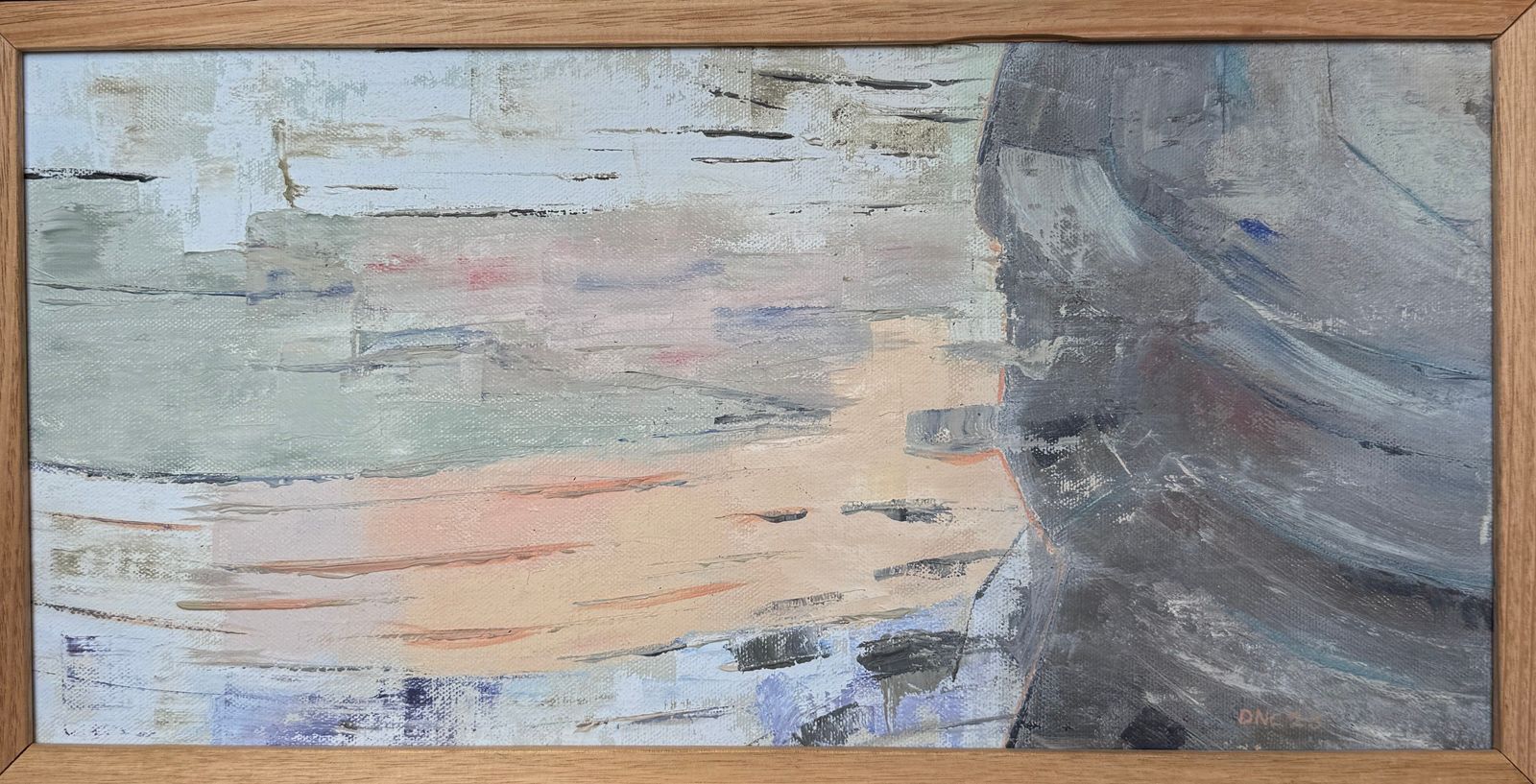
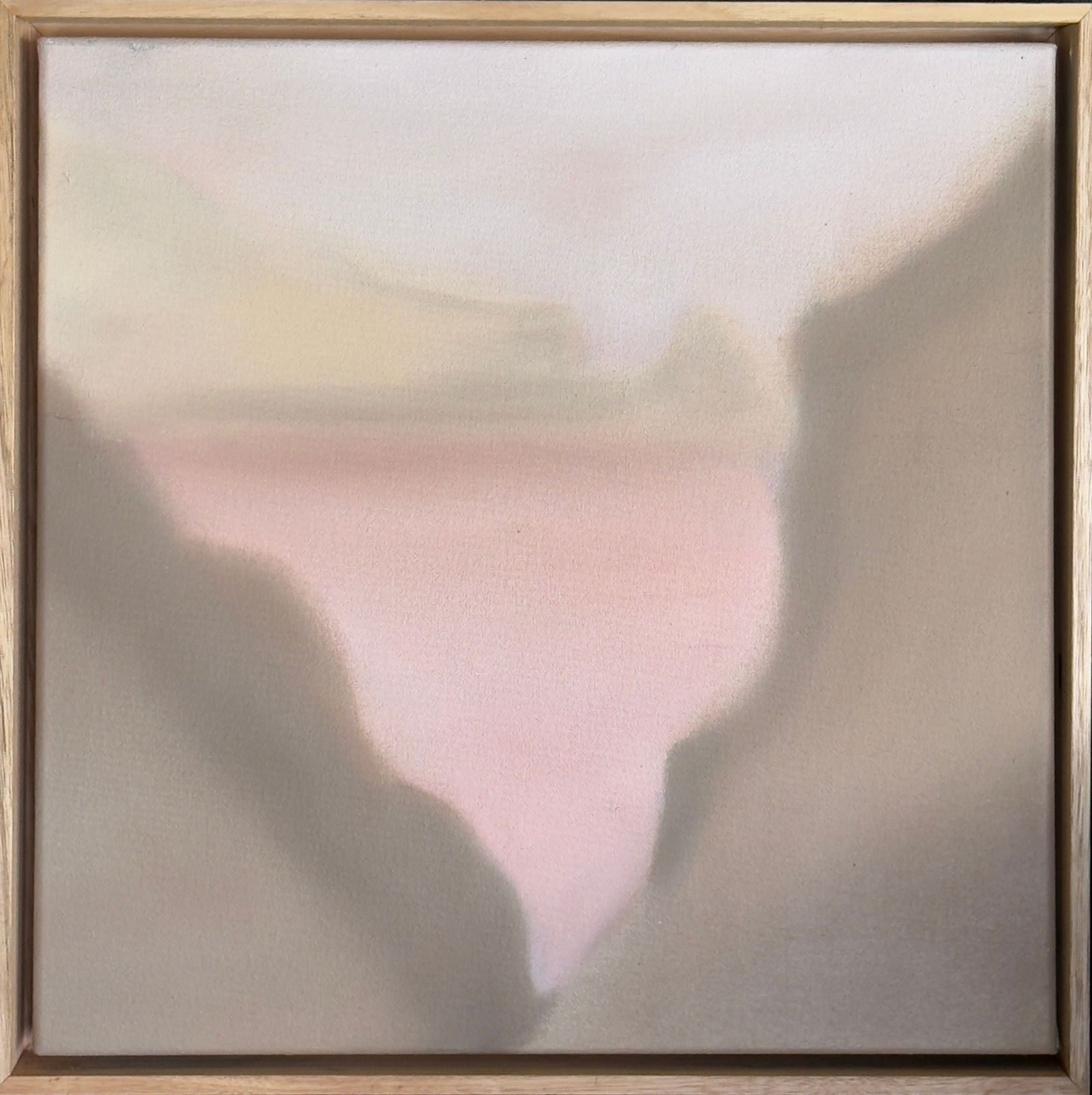
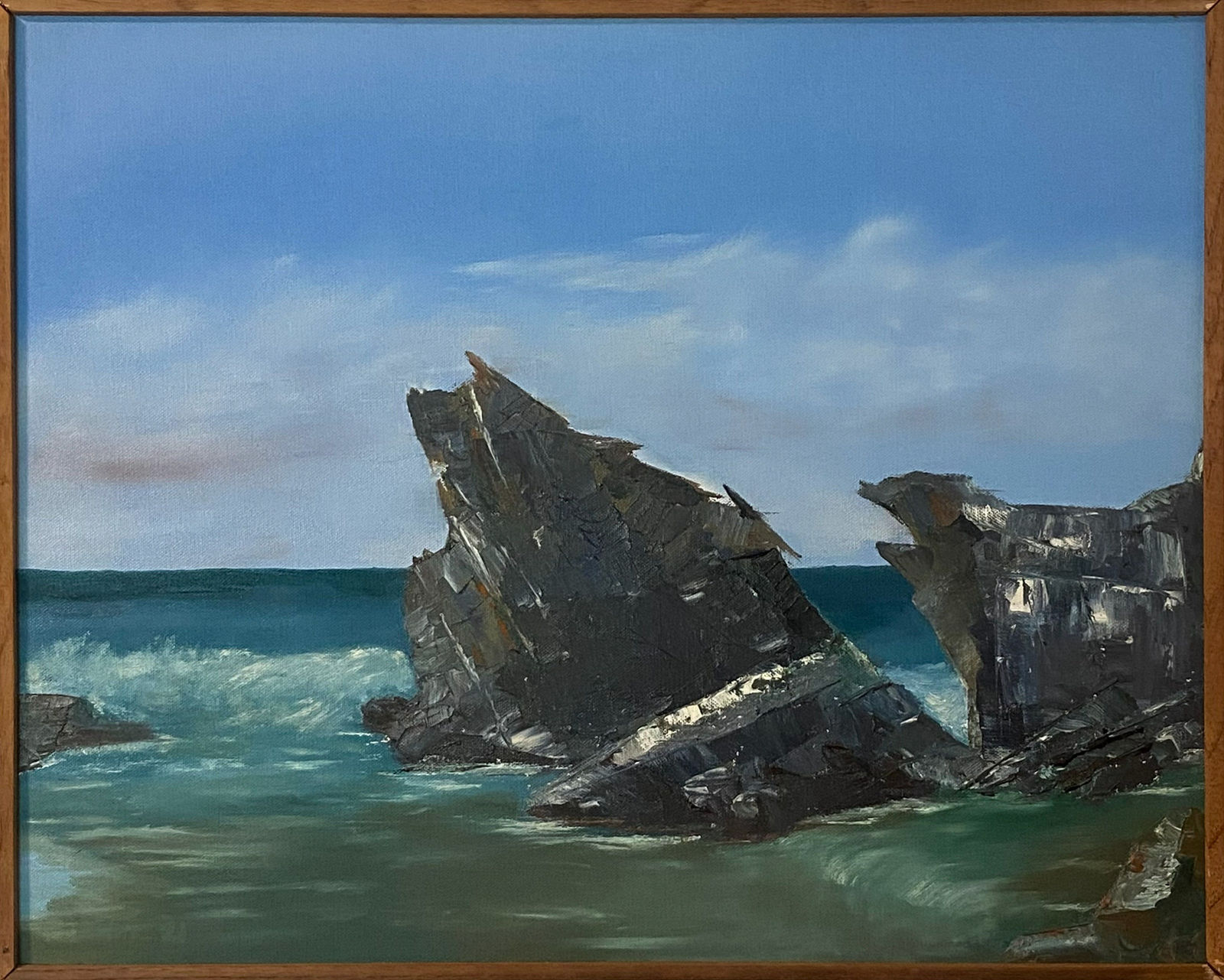
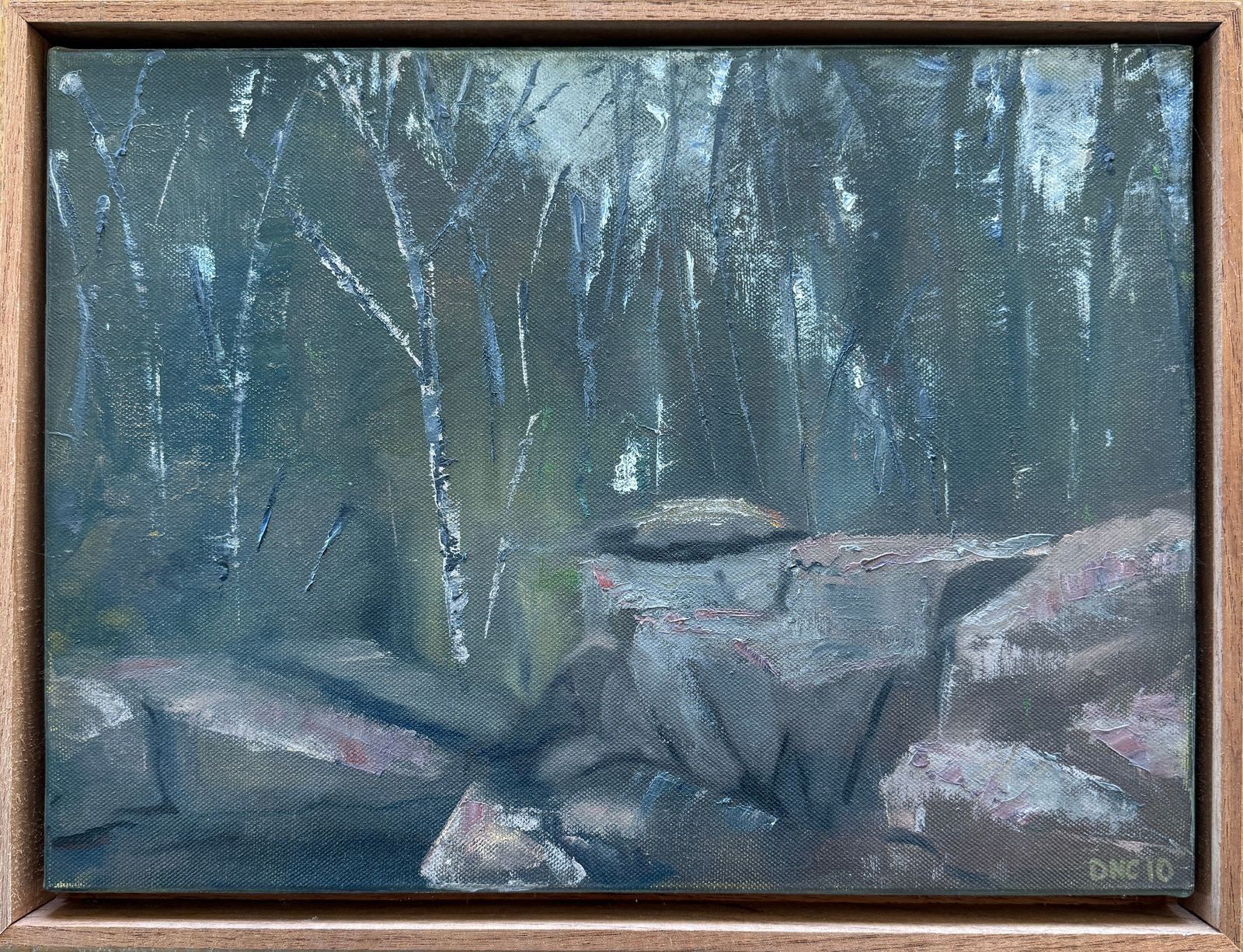
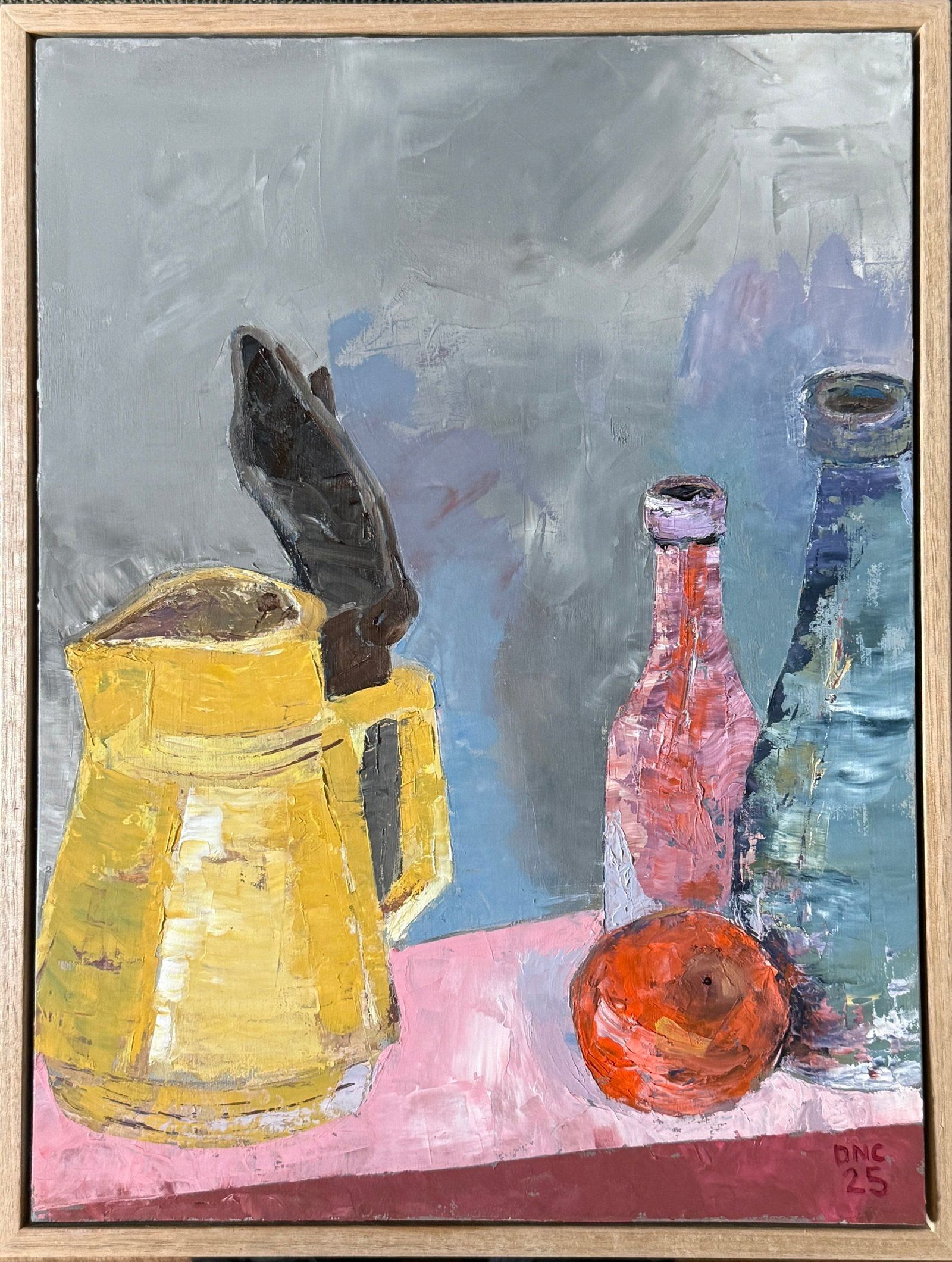
What medium do you work with, and why have you chosen them?
Oil paint and oils and cold wax on canvas or board. The medium is sensual, easily worked and is well suited to the palette knife. I find the colours and finish of oils to be rich, stable and sustainable. There is also a certain satisfaction is working with an age old medium such as oils. I do use charcoal and gouache but only for study and sketches.
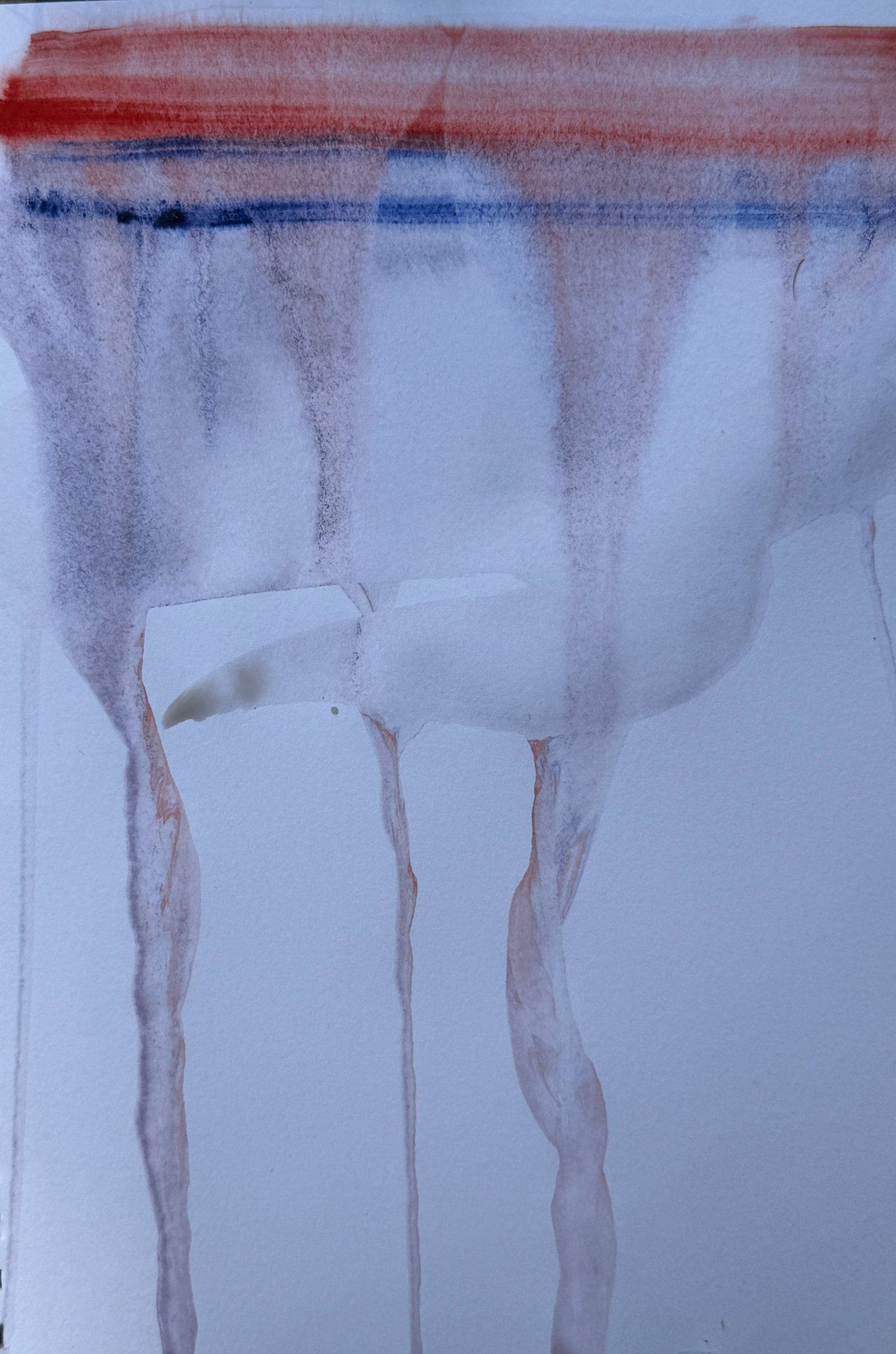
How does your artwork get from initial concept to exhibition stage?
It can begin from different angles, sometimes an idea first and then seek subject to match that idea or the subject prompts the painting. For landscape, once conceived I visit a location to get a 'feel' for the area, make sketches or small gouache paintings and take photographs. Because the work is abstracted expressionist in nature the detail and even accuracy of form or colour is not the focus. I'm looking for mass and shape initially then move on to colour during the process of making.

Can you tell us a little more about your creative working environment/studio?
Painting with oils on 12oz canvas duck or board is a deliberate choice. Building the stretcher frames, cutting and stretching the canvas and then applying a size and primer is a rich part of the process allowing full involvement from beginning to end. The studio is one room in the house which forces a level of order and cleanliness that may otherwise not exist. Brushes are usually cleaned and washed at the end of each session but palette knives are much easier to clean which is satisfying. As for the process, it can be quite organic but usually begins with a fairly accurate sketch and blocking in of shape with one or two washed out tones. Scraping back the work with a large spatula is often part of the process whereby I'm left with a sort of under painting that is close to the finished outcome but without the texture of field. Colour may also change going into the top layers.

Tell us a bit about your story and how you came to be an artist
My interest in art began very early, around the age of fourteen, when I enrolled in art classes after school. This learning continued through high school. Post-schooling, the creative bent took a turn when I became involved in lighting and technical support for the entertainment industry. This led to a life long career in the performing arts until 2001 when painting resurfaced after attending local life drawing sessions. I've always used oil paints and the practice continues to this day.
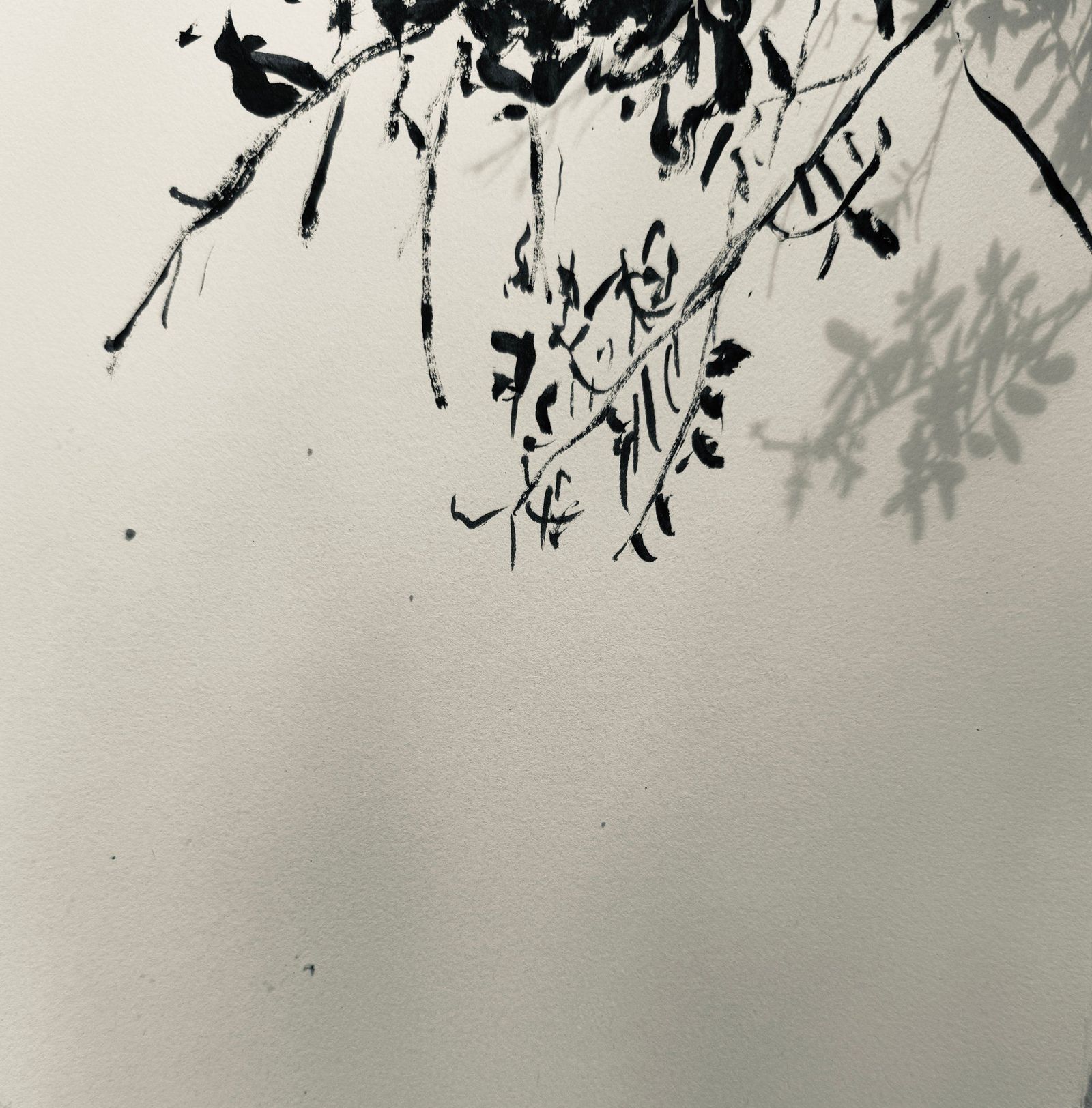
How would you describe your creative process?
Structured and organic. I always have something in mind and work from life or reference photos that I have taken. This begins the creative journey and from there the abstraction can become more organic.
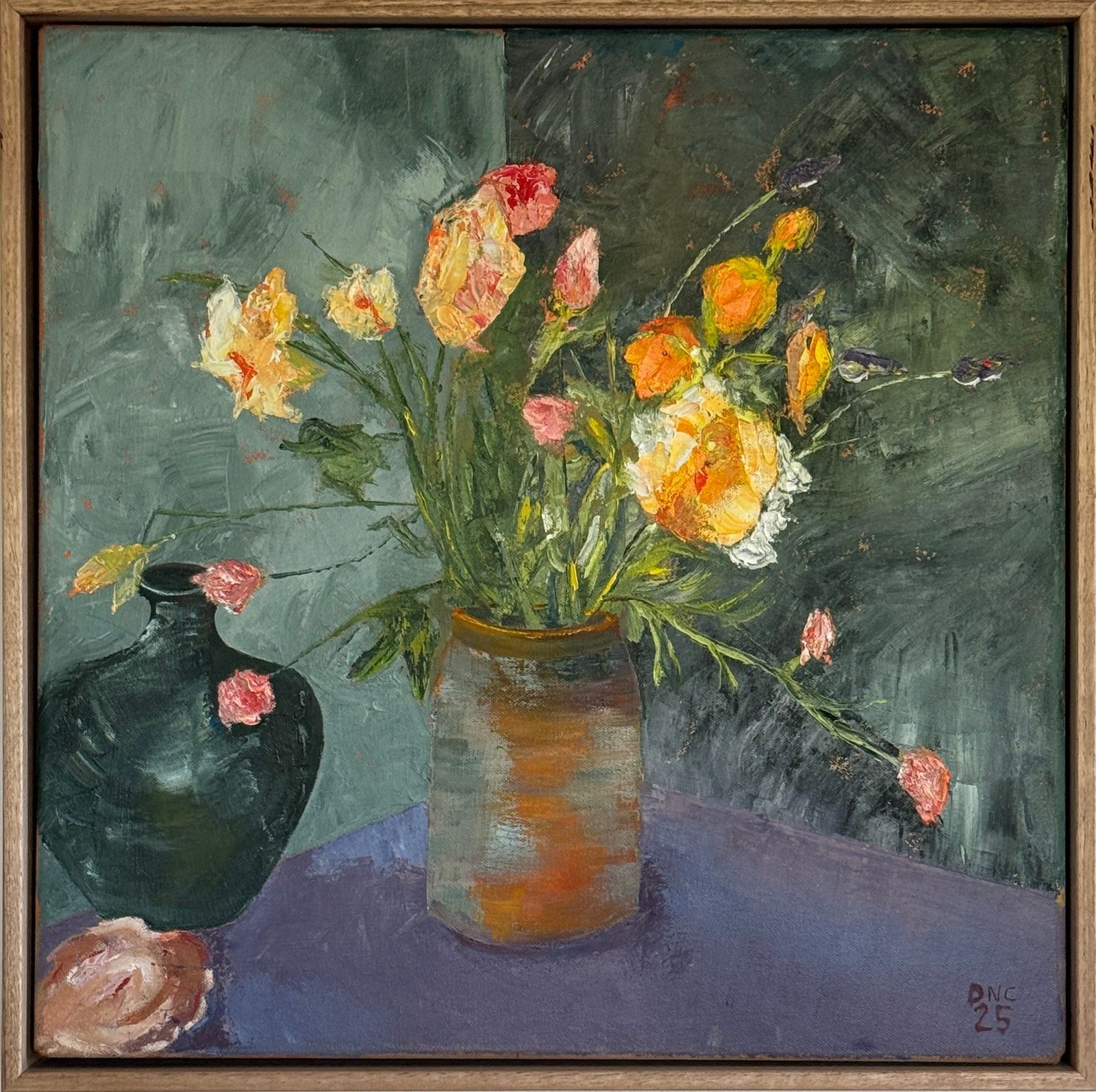
What inspires you?
The natural environment and the human form. These continue to fascinate and intrigue. I'm very interested in the interstitial space between history and the contemporary, including the untold stories held tight by the objects themselves.
How would you describe your artistic style?
Contemporary abstraction in a colourist tradition. I study traditional methods and artists but apply a modern contemporary lens to the execution, which i hope lends an air of integrity to my work.
What message and emotion do you hope to convey with your work?
There is no real message directly in my work, but I do hope some emotional sense is perceived by the viewer. This is less deliberate and more innate, painting in my original style and in the manner I do, imbues the painting with emotion.
Career Highlights
- Attainment of Undergraduate Certificate in Fine Art – Curtin University 2026
- New studio space
- Collectors in all states of Australia and overseas